How Many Kilowatts Can A Solar Panel Produce
Hey there, future solar superstar! Ever wondered how much juice a single solar panel can actually kick out? Like, enough to power your blender for those crucial morning smoothies? Let's dive in, shall we? No complicated jargon, promise! Just good ol' friendly solar chit-chat.
So, the big question: how many kilowatts are we talking? Well, it's not a one-size-fits-all kinda deal. Think of it like choosing an avocado. Some are bigger, some are smaller, and some are... just plain disappointing. Solar panels are similar. There are a few factors at play.
Panel Size and Type: The Dynamic Duo
First up, the physical size of the panel matters. A bigger panel generally (and I stress generally!) produces more power. Makes sense, right? More surface area to grab that sweet, sweet sunshine.
Must Read
Then there's the type of panel. You've got your monocrystalline, polycrystalline, and even some fancy thin-film options. Monocrystalline are often considered the "premium" option – think of them as the artisanal coffee beans of the solar world – and they tend to be more efficient at converting sunlight into electricity. Polycrystalline are a bit more budget-friendly (like your everyday, reliable drip coffee). Thin-film? Well, they're kinda the instant coffee of solar. Okay, maybe that's a bit harsh, but you get the idea!
Typically, a standard residential solar panel will be around 65 inches by 39 inches, give or take. Think of it as roughly the size of a small coffee table… a very energized coffee table!
![How much electricity do solar panels produce? [UK, 2024]](https://images.prismic.io/sunsave-website/ZnxEJZbWFbowe4jR_graphic-Solarpaneloutput.jpg?auto=format,compress?auto=compress,format)
Wattage: The Key Number
Okay, let's get a tiny bit technical (but I promise, it won't hurt). Solar panels are usually rated by their wattage. This tells you the peak power the panel can produce under ideal conditions (sunny day, perfect angle, you name it). Now, remember that keyword: peak. You won't always get that maximum output. Cloudy days, shade, even dust can bring those numbers down a bit.
Most residential solar panels these days fall somewhere in the range of 300 to 400 watts. Some high-efficiency panels even push past 400 watts! So, if you’re looking at a panel labeled "350W," that means it can theoretically produce 350 watts under perfect conditions. Cool, huh?

Now, to convert watts to kilowatts, just divide by 1000. So, a 350W panel is 0.35 kilowatts. Easy peasy!
Real-World Output: Let's Get Realistic
Here's where things get real. Just because a panel can produce 350 watts doesn't mean it always will. The actual amount of electricity a solar panel generates depends on a bunch of factors, including:

- Sunlight Intensity: Duh, the sunnier, the better!
- Panel Angle: Is it facing the sun directly?
- Temperature: Believe it or not, solar panels can lose efficiency in extreme heat. Who knew?
- Shading: Trees, buildings, even a rogue bird can cast a shadow and reduce output.
So, what does this mean in terms of kilowatt production? Well, on a sunny day, a 350W panel might produce something like 2-3 kilowatt-hours (kWh) per day. That’s a rough estimate, of course. It can vary wildly depending on your location and the factors mentioned above. Think of it like trying to predict the weather. It’s possible, but nature always throws in a curveball!
Putting It All Together: Your Solar Power Potential
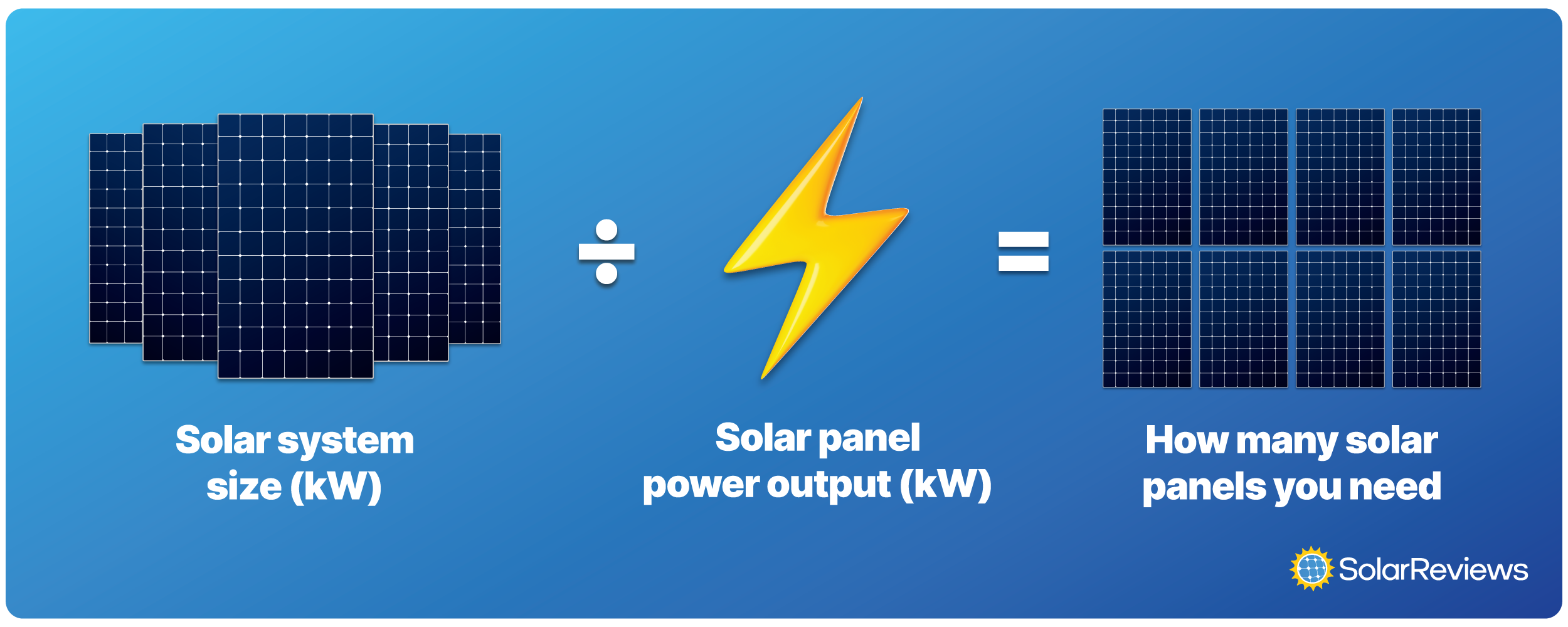
Alright, so how many panels do you need to, say, power your whole house? That depends on your energy consumption and the size of your roof (and your budget, of course!). A typical home might need a system of 20-30 panels, but it's best to get a professional solar installer to assess your specific needs. They can take into account your energy usage, roof orientation, and local climate to design a system that's just right for you.
Bottom line? A single solar panel typically produces between 0.3 and 0.4 kilowatts of power under ideal conditions. But real-world output can vary. So, do your research, talk to the experts, and get ready to harness the power of the sun! You got this!