How Many Kilowatt Hours Does A Refrigerator Use
Okay, so picture this: I'm standing in my kitchen, staring blankly into the abyss that is my fridge. Midnight snack attack, obviously. But then it hit me - this thing is running 24/7! That's gotta be costing me a fortune, right? And that's when I decided to dive down the rabbit hole: how many kilowatt hours does a refrigerator actually use?
The answer, like most things in life, isn't a simple one. But don't worry, we'll break it down. Get ready for some fridge-onomics!
Factors Affecting Refrigerator Energy Consumption
First things first, let's acknowledge the elephant in the (cold) room. Several factors contribute to how much juice your fridge is sucking up.
Must Read
- Age of your fridge: Older models are energy hogs, plain and simple. They lack the fancy energy-saving tech of newer fridges. Think of it like comparing a vintage car to a modern hybrid – both get you from A to B, but one guzzles way more fuel.
- Size and type: A giant side-by-side fridge with all the bells and whistles (ice maker, water dispenser, built-in TV… okay, maybe not the TV) will naturally use more energy than a small, basic model. Makes sense, right?
- How often you open the door: Every time you open the fridge, cold air escapes. Your fridge then has to work harder to cool everything back down. So, maybe try to plan your snack attacks, people! (I’m talking to myself too, here).
- Temperature settings: Are you trying to turn your fridge into the Arctic? Lowering the temperature too much will force it to work overtime. A good rule of thumb is 37-40°F (3-4°C) for the fridge and 0°F (-18°C) for the freezer.
- Maintenance: A dirty condenser coil (those coils on the back or bottom of your fridge) makes your fridge work harder to dissipate heat. Clean them regularly with a vacuum cleaner brush attachment. Seriously, do it. You'll thank yourself later.
- Location: Is your fridge baking in direct sunlight or right next to the oven? That’s not ideal. A cooler, shaded location will help it run more efficiently.
So, you see, it’s not just about the appliance itself, but also how you treat it.
Estimating Kilowatt Hour Usage
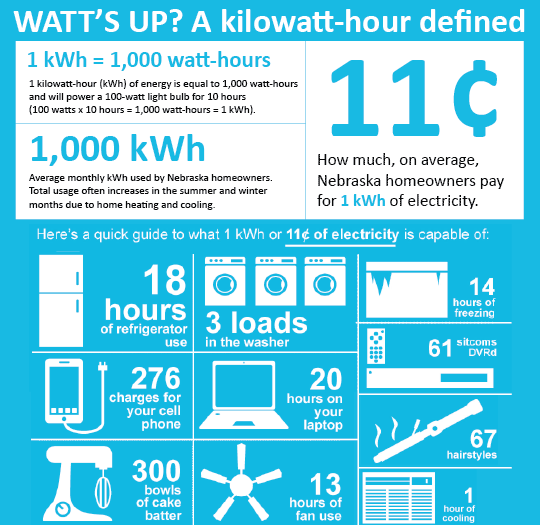
Okay, let's get to the numbers. A typical refrigerator uses anywhere from 100 to 400 kilowatt-hours (kWh) per year. That's a pretty wide range, I know.

Newer, Energy Star-certified refrigerators are at the lower end of that range, often using less than 350 kWh per year. Older models, especially those pre-2000, can easily exceed 700 kWh per year. Yikes!
To get a more accurate estimate for your fridge, check the EnergyGuide label. It's usually located inside the fridge door and provides an estimated annual energy consumption in kWh. This label is your friend! It's like a nutrition label, but for electricity.

You can also use an energy monitor (like a Kill-A-Watt) to measure the actual power consumption of your fridge over a period of time. Plug the monitor into the outlet, then plug your fridge into the monitor. It will tell you exactly how much electricity it’s using. Super handy!
Calculating the Cost
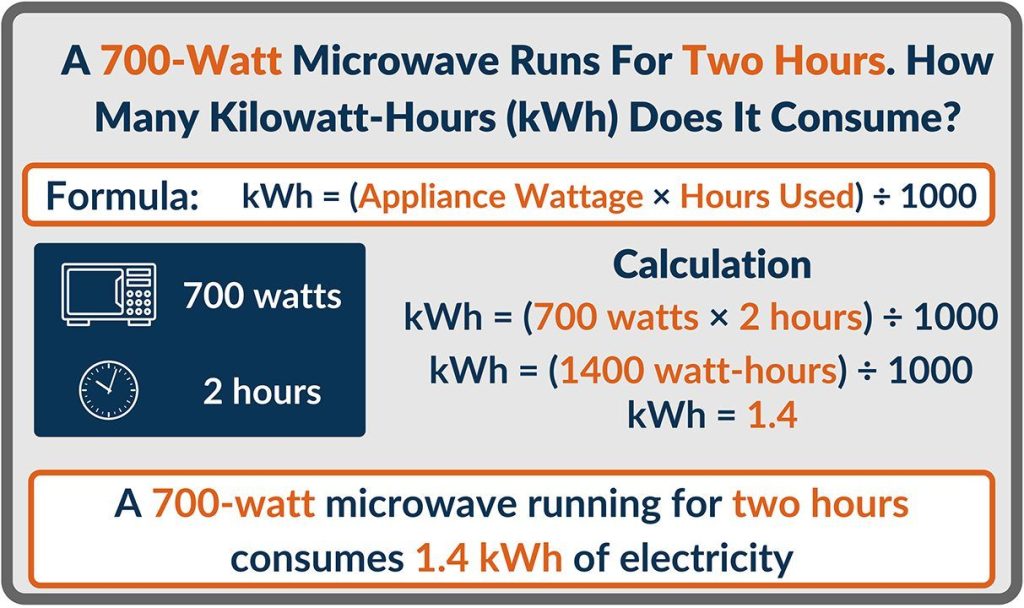
Now that you know how many kWh your fridge uses, you can calculate the annual cost. Simply multiply the annual kWh consumption by your electricity rate (which you can find on your electricity bill).
.png)
For example, if your fridge uses 350 kWh per year and your electricity rate is $0.15 per kWh, the annual cost to run your fridge would be: 350 kWh * $0.15/kWh = $52.50. Not bad, right?
Tips to Reduce Refrigerator Energy Consumption
Want to save some money and reduce your carbon footprint? Here are a few tips:
- Replace your old fridge: If you have a dinosaur in your kitchen, consider upgrading to a newer, Energy Star-certified model. The energy savings can pay for the new fridge over time. Seriously, it’s an investment.
- Keep the door closed: Minimize the number of times you open the fridge and close it quickly. Don’t just stand there with the door open, contemplating your life choices!
- Check the door seals: Make sure the door seals are clean and tight. You can test them by closing a piece of paper in the door. If you can easily pull it out, the seals may need to be replaced.
- Don't overfill your fridge: Overcrowding can restrict airflow and make your fridge work harder.
- Don't put hot food in the fridge: Let food cool down to room temperature before putting it in the fridge. You don't want to make your fridge work overtime.
- Defrost your freezer regularly: If your freezer is not frost-free, manually defrost it when the frost buildup is more than ¼ inch thick. Frost acts as an insulator, making your freezer less efficient.
So there you have it – everything you need to know about refrigerator energy consumption. Now go forth and conquer those electricity bills! And maybe grab a midnight snack while you're at it... just don’t leave the door open too long! 😉