
How Many Hours Does A Refrigerator Run Per Day

Ever find yourself standing in front of the open fridge, staring blankly, wondering what snack to conquer next? We all do it! But have you ever stopped to think about what that trusty kitchen companion is really up to all day? Specifically, how many hours that refrigerator motor is actually running?
It's a question that might seem a little…random. But stick with me! Understanding how often your fridge kicks on can save you money, prevent food spoilage, and maybe even give you a little geeky satisfaction. Think of it as fridge-owner 101!
The Big Reveal: Fridge Run Time
Alright, let's cut to the chase. On average, a refrigerator runs for about 8 to 16 hours per day. That's a pretty wide range, right? Well, that's because it depends on a whole bunch of factors.
Must Read
Imagine your fridge is like a little athlete. Some days it's just a light jog around the block, other days it's a full-on marathon. What determines the intensity of its workout?
The Fridge Fitness Factors
Here's the lowdown on what influences your fridge's running schedule:
Age is More Than Just a Number: Just like us, refrigerators get a little less efficient with age. Older models often have worn-out seals or less efficient compressors, meaning they have to work harder (and longer) to maintain the right temperature.
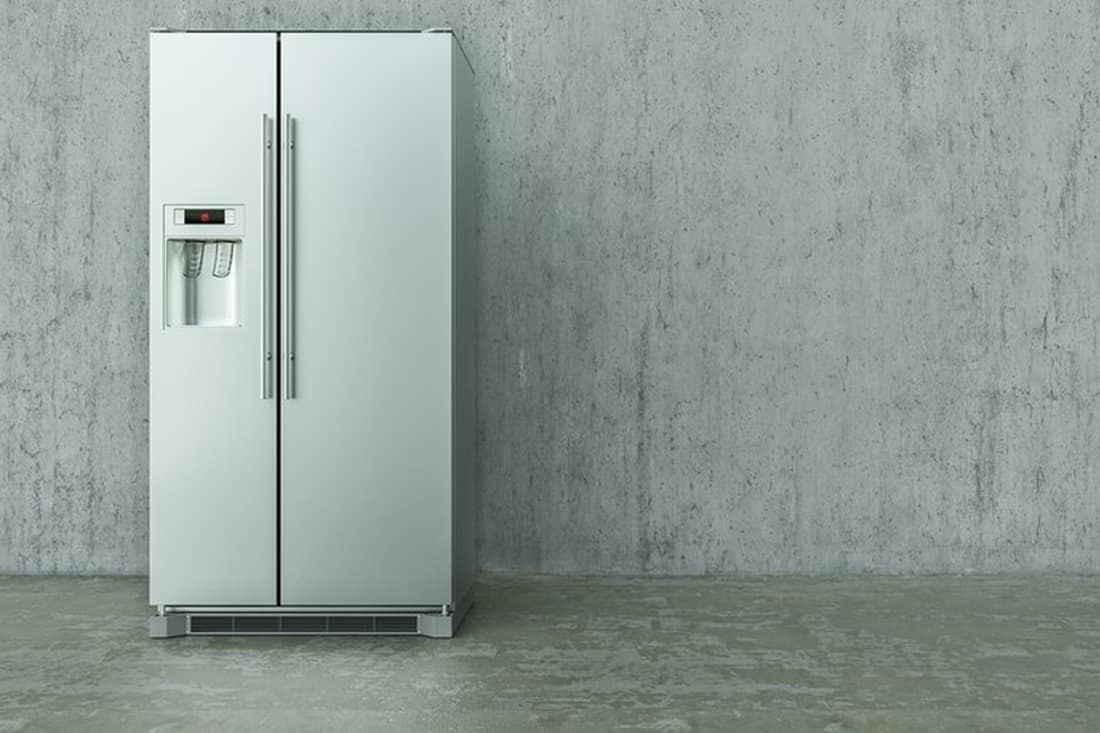
Location, Location, Location: Where your fridge lives in your kitchen matters! If it's basking in the afternoon sun or snuggled up next to the oven, it's going to have a harder time staying cool and will run more frequently. Think of it like trying to wear a winter coat in the summer – not a fun time!
How Often You Raid the Fridge: Are you a serial fridge opener? Every time you open that door, warm air rushes in, and your fridge has to work overtime to cool things back down. It's like constantly letting all the heat out of your house in winter.
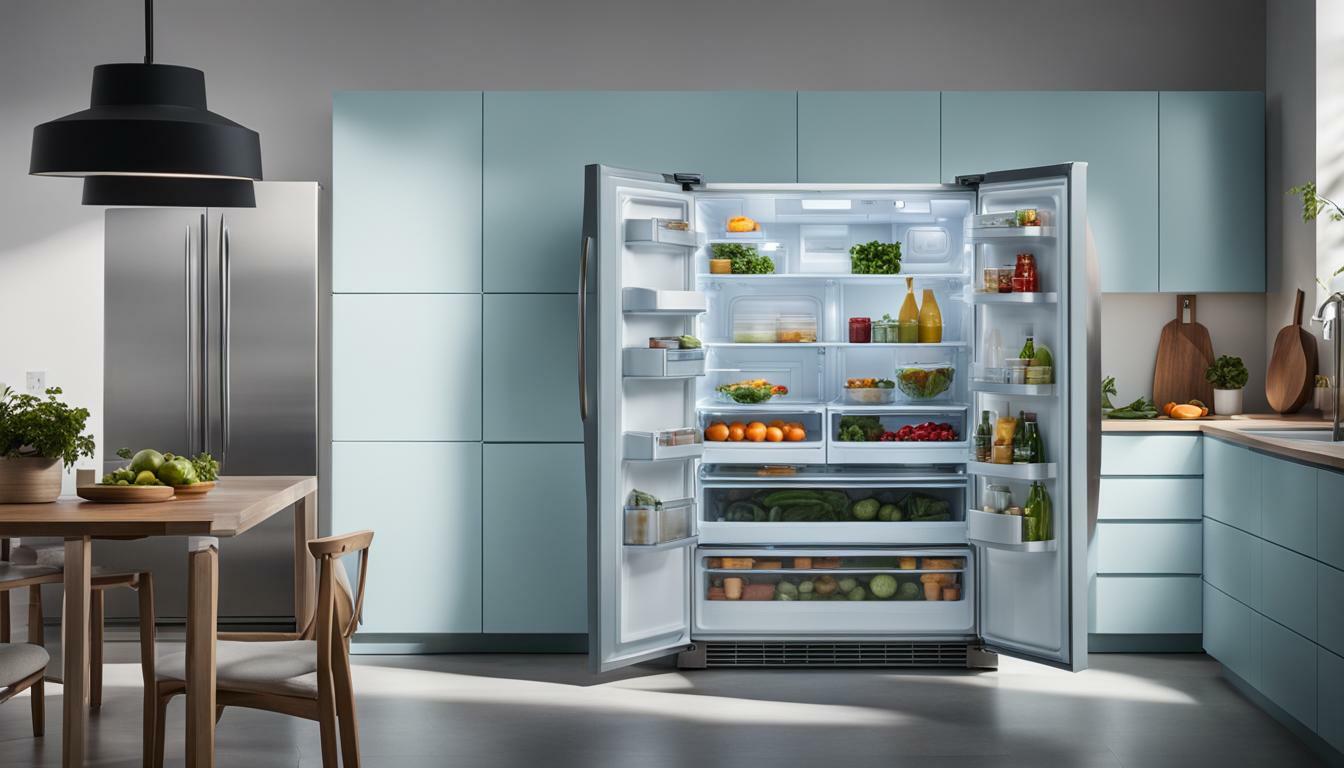
What's Inside Counts: A fully stocked fridge actually runs less often than an empty one. All that food acts like insulation, helping to maintain a consistent temperature. Plus, less room for warm air to sneak in! So, maybe that emergency chocolate stash is actually doing you a favor (just don't tell your doctor I said that).
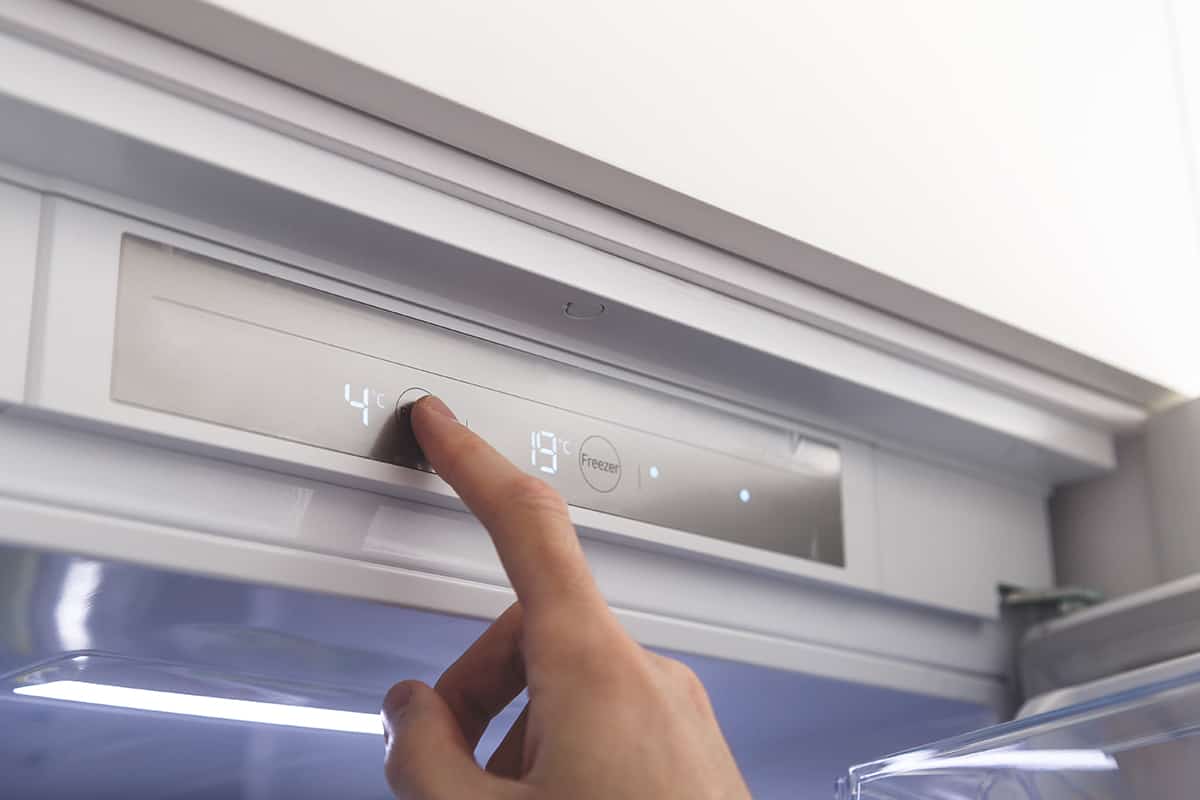
Temperature Setting: Not a Game of Chicken: Cranked the thermostat down to "arctic blast"? Your fridge is going to be working non-stop. A slightly warmer setting will save energy without risking food spoilage. Play it safe and aim for around 37-40°F (3-4°C).
Seals: The Silent Heroes: Those rubber seals around the door are your fridge's first line of defense against warm air invasion. If they're cracked, brittle, or just plain gross, replace them! It's a cheap and easy fix that can make a big difference.
Why Should You Care? (Besides Impressing Your Friends at Parties)
Okay, so you know how many hours your fridge might be running. But why bother knowing? Here's the juicy stuff:

Money, Money, Money: Your refrigerator is one of the biggest energy hogs in your house. A fridge that's running too much is costing you money on your electricity bill. Optimizing its performance can lead to significant savings over time.
Food Safety First: A fridge that's not running efficiently might not be keeping your food at a safe temperature. This can lead to spoilage and, well, nobody wants food poisoning! Keep an eye on things to protect your precious leftovers.
Extend Your Fridge's Lifespan: Overworking any appliance can shorten its lifespan. By understanding how your fridge works and making a few simple adjustments, you can keep it running smoothly for years to come.
Is Your Fridge Running... Away with Your Money?
So, how do you know if your fridge is running too much? Here are a few red flags:
* Your fridge feels unusually warm inside. * The motor is constantly running and sounds louder than usual. * Condensation is forming on the inside or outside of the fridge. * Your electricity bill is mysteriously higher than usual.If you notice any of these signs, it's time to investigate! Start by checking the simple things: temperature settings, door seals, and airflow around the fridge. If the problem persists, it might be time to call a professional.
In conclusion, keeping an eye on your fridge's running habits isn't just about being a responsible homeowner – it's about saving money, protecting your food, and keeping your trusty appliance happy and healthy. So, the next time you're staring into the fridge, grab a snack, and give it a little thought. It's working hard for you, after all!