How Many Gallons Per Minute Is A Shower Head
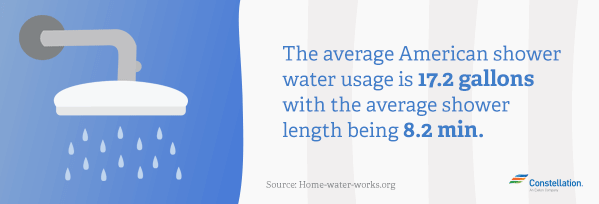
Ever stood under your shower, contemplating the mysteries of the universe (or just regretting that third slice of pizza last night), and wondered, “How much water is actually coming out of this thing?” Me too! It’s like pondering how many licks it takes to get to the center of a Tootsie Pop – intriguing, but slightly pointless... until your water bill arrives.
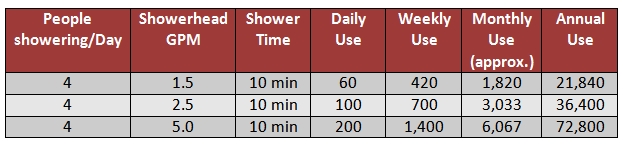
So, let's dive into the watery world of shower heads and GPM – that's Gallons Per Minute, for those not fluent in plumbing lingo. Think of it as the shower head's appetite. A bigger appetite means more water, which translates to a fuller shower experience (yay!), but also a fatter water bill (boo!).
The Standard Shower Head: A Thirsty Beast?
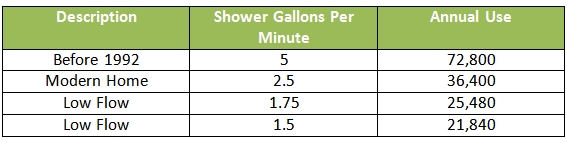
The good ol' standard shower head, the kind you probably have unless you’re rocking a super fancy rain shower thingy, used to guzzle down water like it was going out of style. We’re talking a whopping 5.5 GPM. That’s like emptying a kiddie pool every few minutes! Thankfully, regulations have stepped in to save us from ourselves (and astronomical water bills).
Must Read
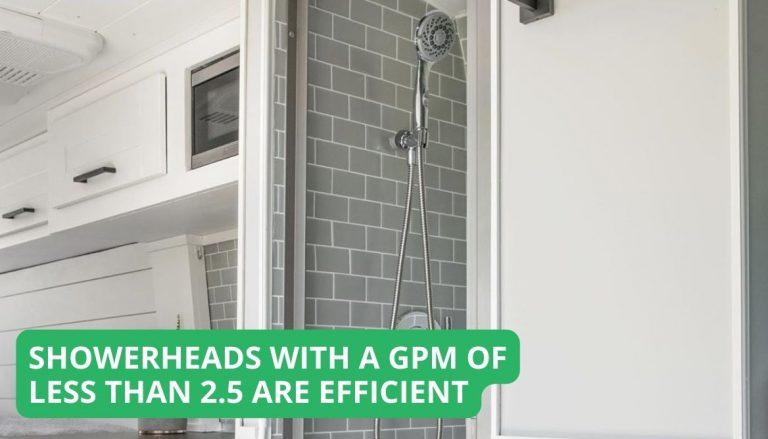
These days, the legal limit is 2.5 GPM. Think of it as the shower head being put on a diet. It’s still giving you a decent shower, but it's being a bit more responsible with the water. It’s like swapping that third slice of pizza for a side salad (okay, maybe not that drastic).
But here's the kicker: just because it can use 2.5 GPM, doesn't mean it will. Some older models might still be chugging along at the old rate, completely oblivious to the new rules. And that's where things get interesting...
How to Figure Out Your Shower Head's GPM: Detective Work Required!
So, how do you know if your shower head is a water-guzzling dinosaur or a modern, eco-conscious marvel? Time for a little detective work! First, look for a label on the shower head itself. Often, it’ll proudly display its GPM rating. If you can’t find it, don't despair; you can still figure it out. It’s like finding hidden treasure, only the treasure is... information about your shower.
The "bucket test" is a classic. Grab a bucket (labeled in gallons, obviously), a stopwatch (your phone will do), and follow these steps:
- Place the bucket under your shower head.
- Turn the shower on full blast.
- Time how long it takes to fill the bucket.
- Do some simple math: Divide the number of gallons by the number of seconds it took to fill, then multiply by 60. Boom! You've got your GPM!
For example, if it took 30 seconds to fill a 1-gallon bucket, your GPM is (1/30) * 60 = 2 GPM. Not bad, shower head, not bad at all!
Low-Flow Shower Heads: The Eco-Warriors of the Bathroom
If you’re feeling particularly eco-conscious (or just want to shave a few bucks off your water bill), you might consider a low-flow shower head. These little guys use even less water – often around 1.5 GPM or even less. The catch? Some folks complain that the water pressure isn’t as strong. It's a trade-off, like choosing between a gas-guzzling sports car and a fuel-efficient hybrid.
But don't worry, technology has come a long way. Many modern low-flow shower heads are designed to maximize water pressure, so you can save water without feeling like you're showering in a gentle mist. You might even be surprised!
Why Does GPM Even Matter?
Beyond the obvious water bill savings, lower GPM means you're using less energy to heat the water. That's good for your wallet and good for the planet! Think of it as killing two birds with one (water-efficient) stone.
So, next time you’re in the shower, take a moment to appreciate the engineering marvel that is your shower head, and maybe even do the bucket test. You might just be surprised by what you discover! And who knows, you might even feel inspired to save a little water and help the planet, one shower at a time.
Now, if you'll excuse me, I'm going to go contemplate whether my own shower head is secretly plotting against my bank account. Wish me luck!