How Many Gallons Is In A Barrel Of Oil
Have you ever found yourself listening to a news report about global oil markets, hearing talk of "barrels of crude," and silently wondering, "Just how many gallons are actually in one of those barrels?" It's one of those wonderfully specific tidbits of information that, once you know it, suddenly makes a lot of complex global economics feel a little more graspable. It’s not just a fun fact for trivia night; understanding this measurement helps us connect the dots between distant oil fields, the pump at our local gas station, and even the price of everyday goods. Let's peel back the lid on this curious container!
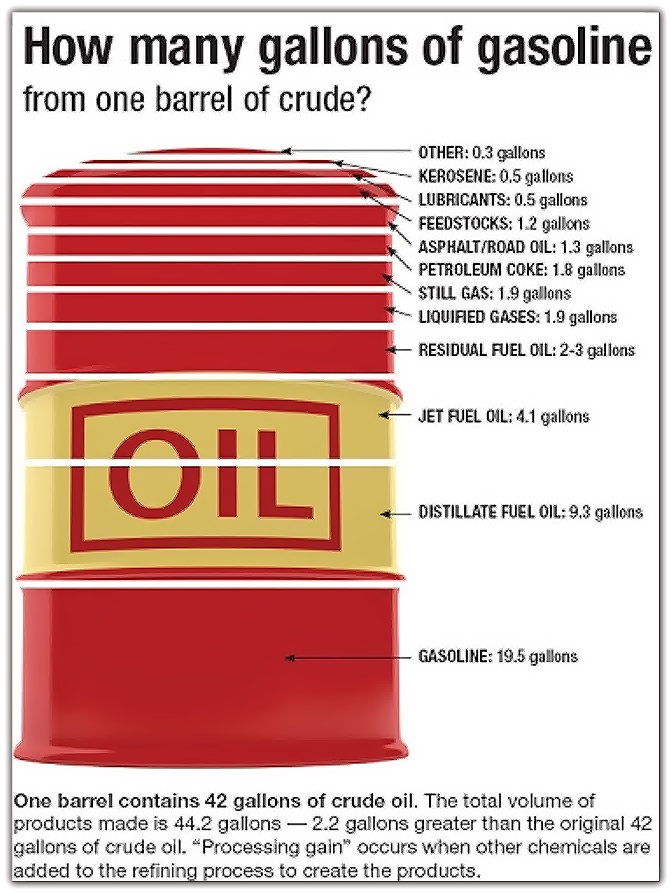
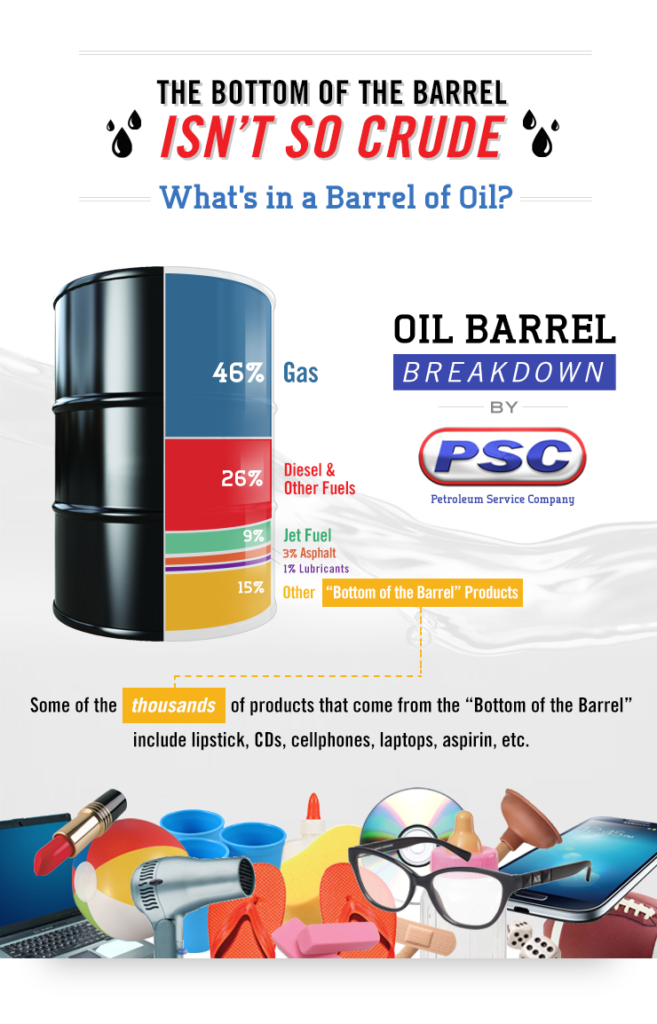
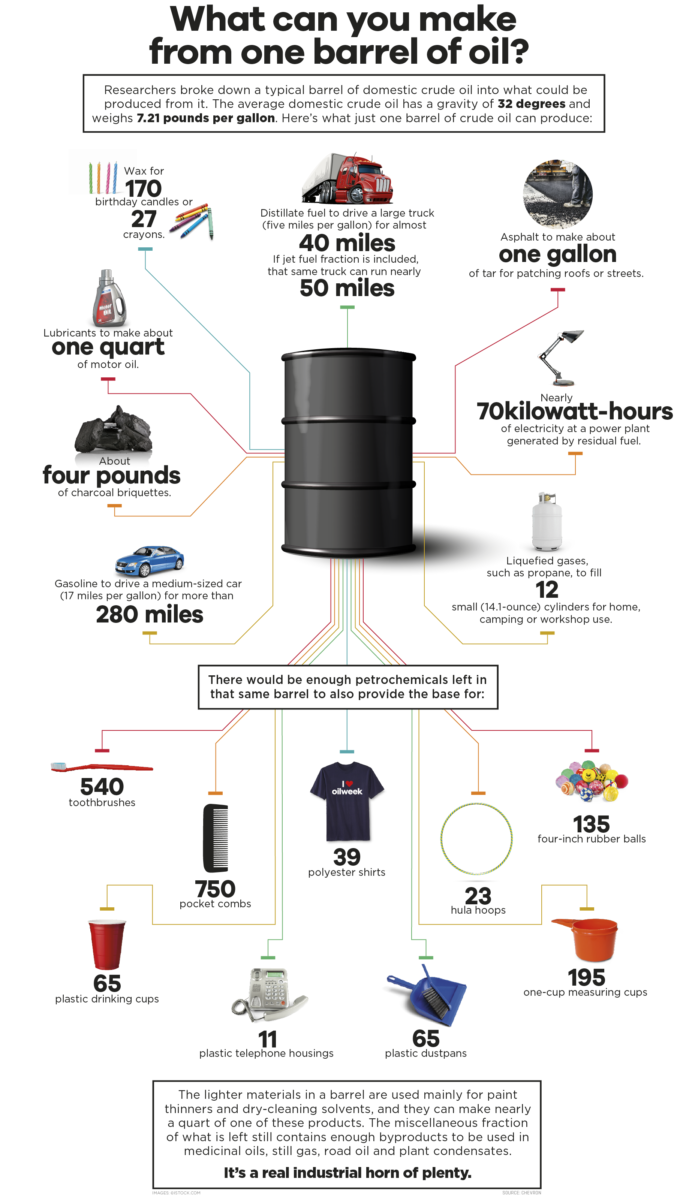
The answer, to cut right to it, is a very specific number: an international barrel of oil contains 42 US gallons. Not 40, not 50, but 42! This seemingly arbitrary number actually has some fascinating historical roots. Back in the early days of oil production in Pennsylvania in the 1860s, crude oil was often shipped in wooden barrels that had previously held whiskey, fish, or molasses. These varied in size quite a bit. To bring order to the chaos and ensure fair trade, oil producers eventually agreed on a standardized 42-gallon barrel. This particular size may have been influenced by the traditional English wine hogshead, which was 63 gallons, meaning a 42-gallon barrel was a neat two-thirds of that – a common trading unit. This standardization was crucial because it allowed for
The purpose and benefits of this standard are immense. It allows economists, governments, and businesses worldwide to speak the same language when discussing oil supply, demand, and pricing. Without this fixed measure, comparing prices between different countries or even different wells would be a nightmare. In education, understanding the "barrel" provides a practical application for history lessons about the Industrial Revolution or the development of global trade. In daily life, knowing this figure empowers us. When you hear that crude oil prices have risen by a dollar per barrel, you can quickly calculate that this translates to roughly 2.4 cents per gallon (1 dollar / 42 gallons), giving you a clearer perspective on how much that might impact gas prices. It helps us understand reports on national energy consumption or debates about strategic oil reserves.
Must Read
Want to explore this concept further in simple, practical ways? First, next time you see gas prices, try doing a quick mental calculation based on the news reports about oil prices per barrel. How much of the per-gallon price seems to come directly from crude? You might also research the history of the different units of measurement for other commodities – like how many bushels are in a ton of grain – and see how standardization has played a role there too. Another fun idea is to visualize it: imagine 42 one-gallon milk jugs lined up – that's how much fuel is represented by just one "barrel" in the news! It's a small piece of knowledge, but one that opens up a bigger picture of how our world runs.