
How Many Fire Alarms Do You Need In A House

Ever wonder about those little plastic circles on your ceiling? They’re more than just fancy décor! We're talking about those chirpy, sometimes startling, little guardians known as fire alarms. They might seem quiet most of the time, but they're always ready for their moment in the spotlight.
Picture this: a peaceful evening, perhaps you're engrossed in a thrilling book or enjoying a delicious snack. Suddenly, a piercing sound! It's not a monster; it's just your fire alarm doing its very important job. It's like having a tiny, very loud superhero living in your house, always on alert.
So, how many of these unsung heroes do you actually need? It's a question that often sparks a little bit of head-scratching. You don't want too few, leaving parts of your home unprotected. And you certainly don't want so many that your house looks like a futuristic surveillance hub!
Must Read
Let's dive into the fun world of fire alarm placement. Think of it as assembling your own elite security team. Each member has a specific role and a vital spot in your home's defense system. It’s a bit like a strategic game, ensuring every vulnerable point is covered.
First up, let’s talk about the sleep zones. Your bedrooms are prime real estate for these important devices. Imagine waking up to that unmistakable beep-beep-BEEP! It’s not just noise; it’s an urgent invitation to safety.
Every single bedroom should have its very own guardian. This means that each person's sleeping space gets a personal warning system. It's like having a personalized alarm clock, but for emergencies! No one wants to be caught off guard during their precious slumber.
But wait, there's more to the sleeping story! What about those areas just outside the bedrooms? We're talking hallways and landing areas. These spots are like the main arteries of your home's sleeping quarters.
A fire alarm here acts as a collective warning for everyone nearby. It’s like the grand announcer, letting the entire floor know it’s time to pay attention. You can almost hear it saying, "Attention, residents! Important message!"
The Grand Tour: Every Level Counts!
Now, let's take a journey through your entire house, from top to bottom. Every single level, yes, every one, needs at least one operational fire alarm. This includes your basement, your main floor, and any upper floors.
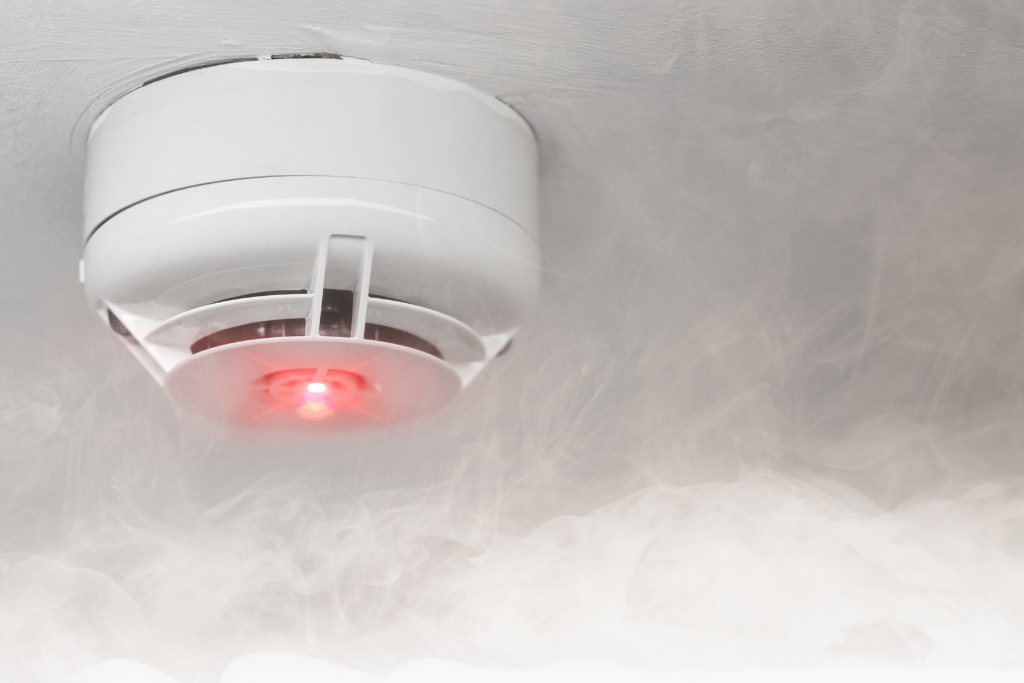
Think of your home as a multi-story adventure. Each level has its own unique risks and pathways. Having an alarm on each floor ensures that no matter where a smoky situation starts, an alert will be sounded.
Your basement, often overlooked, is a crucial spot. Many homes have furnaces, water heaters, and storage down there. These areas can sometimes be starting points for trouble, so a watchful eye – or ear – is essential.
The main living floor is where most of the daily action happens. Cooking, entertaining, relaxing – all potential scenarios for a little accident. An alarm here is like the central command center, overseeing the busiest parts of your day.
And don't forget the upper floors! Even if it's just bedrooms up there, the alarms on each level create a layered defense. It's like having multiple checkpoints in a very important race to safety.
Smoke & Carbon Monoxide: The Dynamic Duo
Beyond just smoke, there's another sneaky danger: carbon monoxide. This invisible, odorless gas is a real trickster. You can't see it, you can't smell it, but it's incredibly dangerous.
That's why many homes now have combination smoke and carbon monoxide (CO) detectors. These clever gadgets are like two superheroes in one compact package! They guard against both visible smoke and the silent, invisible CO threat.
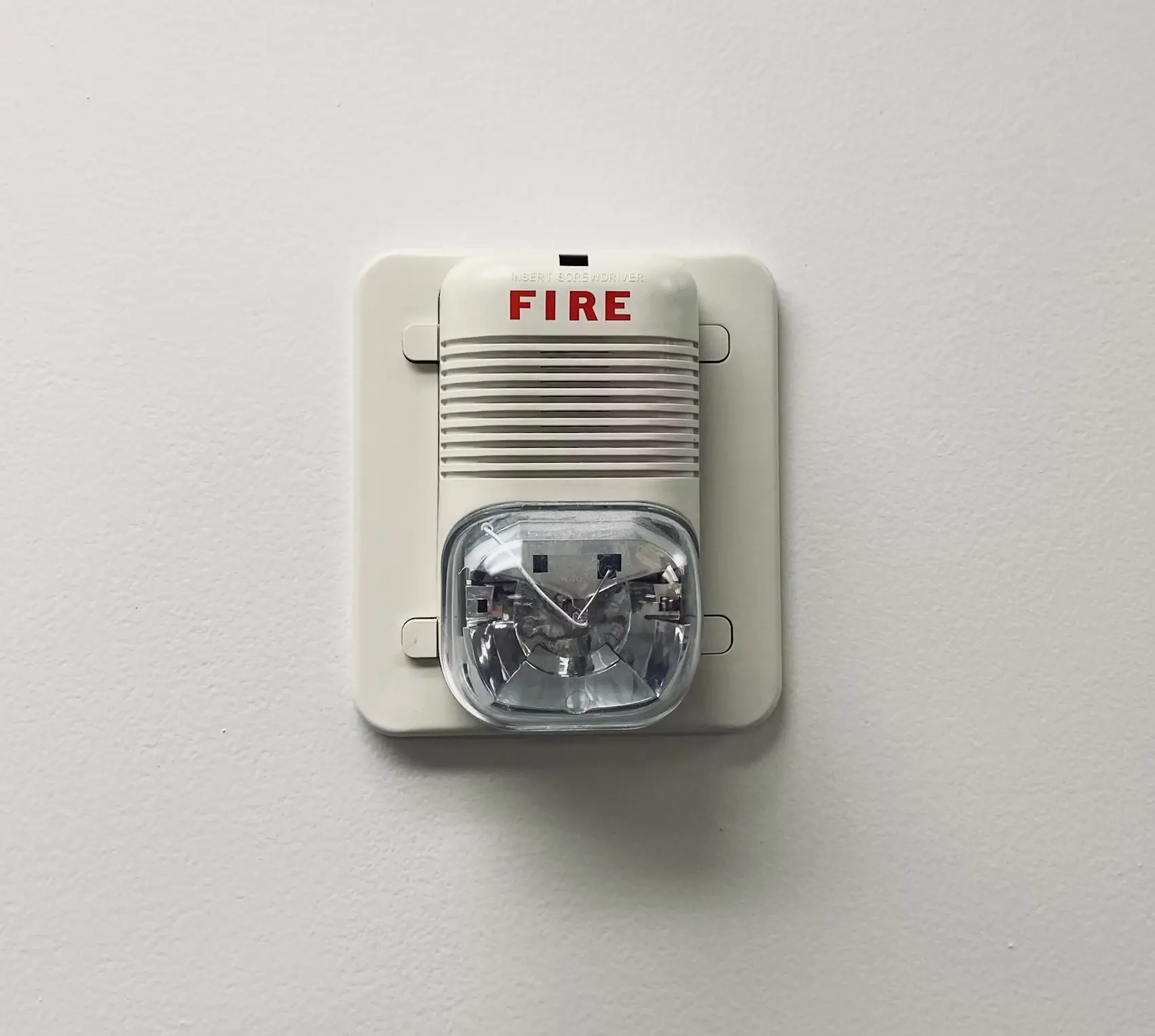
"Having a combination alarm is like getting a two-for-one deal on peace of mind!"
Consider placing these dynamic duos near your sleeping areas and anywhere fuel-burning appliances are located. Think furnaces, water heaters, and even gas fireplaces. These are the places where CO might try to sneak in.
So, while the primary focus is on the smoky villain, don't forget about its silent sidekick. A comprehensive alarm strategy includes both forms of detection. It's all about being fully prepared for whatever might come your way.
The Kitchen Conundrum: A Special Case
Ah, the kitchen! The heart of many homes, and also a place famous for producing a little harmless smoke now and then. Toast that's a tad too dark, or a sizzling pan that gets a little enthusiastic.
Placing an alarm right inside the kitchen can sometimes lead to what we call "nuisance alarms." That's when your brave little guardian starts screaming because of perfectly normal cooking fumes, not an actual fire. It's like crying wolf, but with beeps.
Instead, the magic spot for a kitchen-adjacent alarm is usually just outside the kitchen door. This way, it can still detect smoke trying to escape into the main living areas, without getting upset every time you brown some onions.
It’s a smart compromise, ensuring protection without the constant, unexpected serenades during dinner prep. Nobody wants their culinary masterpieces interrupted by a dramatic alarm performance!
The Most Fun Part: Testing Your Alarms!
Now for the truly thrilling part: testing your fire alarms! This isn't just a chore; it's a regular check-up for your house's guardians. It's like making sure your superhero team is always in top fighting shape.
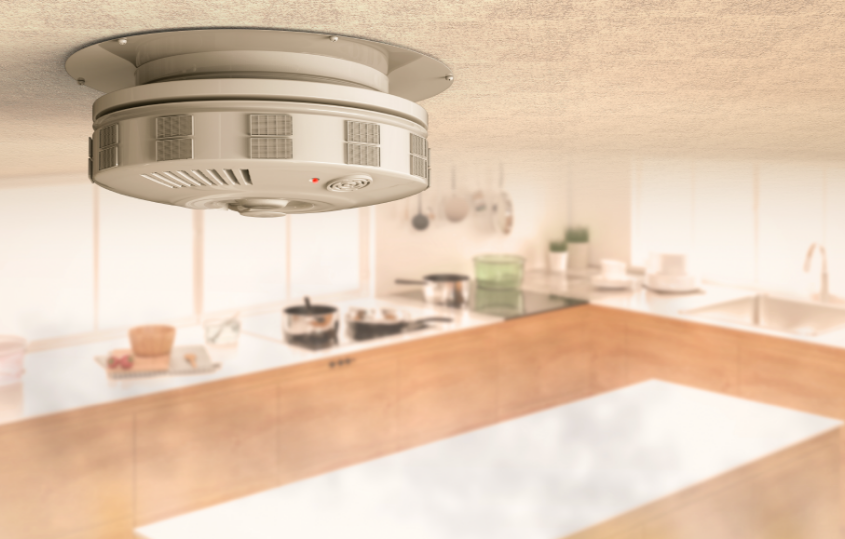
You just press the little test button. Go ahead, give it a try! You’ll hear that distinct, attention-grabbing sound. It’s a good reminder of what it sounds like, and it confirms your alarm is ready for action.
How often should you do this important mission? At least once a month! Pick a day, maybe the first Saturday, and make it a fun family ritual. It’s a quick task, but it offers a huge reward in safety.
And don't forget the batteries! Most alarms will give you a little "chirp" when their batteries are low. That's their polite way of asking for a fresh power-up. Don’t ignore that little plea!
A good rule of thumb is to replace batteries at least once a year. A common, easy-to-remember trick is to do it when you change your clocks for daylight saving time. It's a built-in reminder system!
Alarms themselves also have an expiration date, usually around ten years. Yes, even superheroes need to retire! Check the back of your alarms for the manufacturing date. If it's over a decade old, it's time for an upgrade.
Think of replacing old alarms as bringing in the new, improved model. Technology gets better, and so do these vital safety devices. They become even more sensitive and reliable.

The Grand Finale: Your Home, Super Safe!
So, when it comes to "How many fire alarms do you need?" the answer isn't just a number. It's a strategy! It’s about creating a comprehensive network of watchful ears throughout your entire home.
It's one in every bedroom, one outside every sleeping area, and at least one on every single level of your home. Plus, don't forget those combination smoke and CO alarms for extra protection.
By following these simple, engaging guidelines, you're not just installing devices. You're investing in peace of mind, sweet dreams, and the swift alert that can make all the difference. You're building a fortress of safety for your loved ones.
Isn't it amazing how these little white discs can hold so much power and promise? They truly are the unsung heroes of home safety. They sit there, patiently waiting, ready to roar into action when needed most.
Now, go on! Take a quick peek around your own home. Where are your guardians placed? Are they chirping happily or silently standing watch? Get curious, get checking, and give your home the superhero defense it deserves!
You might be surprised at how good it feels to know your home is truly protected. It's like giving your house a big, warm, safety hug. And that feeling? That's what makes these alarms so incredibly special.
So next time you glance at one, give a little nod of appreciation. That little disc is doing a massive job, day in and day out. It's always on duty, keeping you and your family safe and sound.