How Many Elements Are In The Lanthanide Series
Okay, so you're probably thinking, "Lanthanide series? Sounds like something I should have paid attention to in high school chemistry, but definitely didn't." Don't worry, you're not alone! Unless you're a chemist or a serious rock collector (we'll get to why rocks matter later), the Lanthanides are probably filed away in that part of your brain reserved for remembering obscure 90s boy band members.
But trust me, they're more relevant than you think. Think of the Lanthanides as that group of cousins you only see at family reunions. You know they're related, they're all kind of… similar, but you can’t quite put your finger on what they do. That's the Lanthanides. And like those cousins, there’s a surprisingly specific number of them.
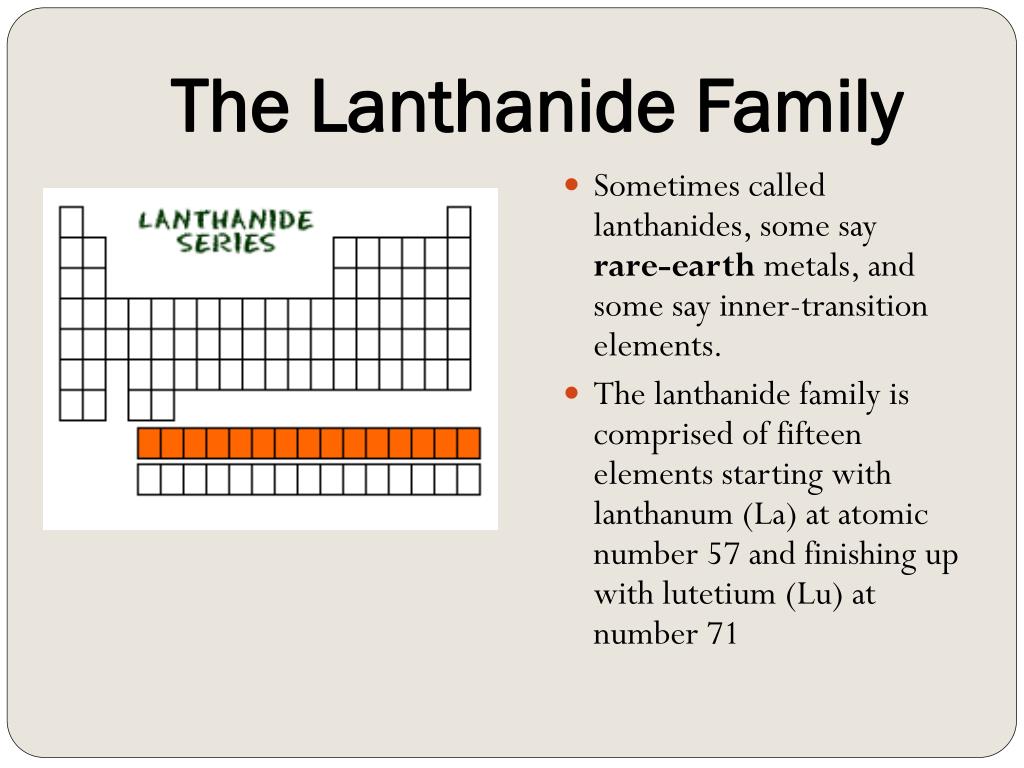
So, how many are we talking? There are 15 elements in the Lanthanide series. Boom! There you have it. Mystery solved!
Must Read
But Wait, There’s More! (Like a Late-Night Infomercial)
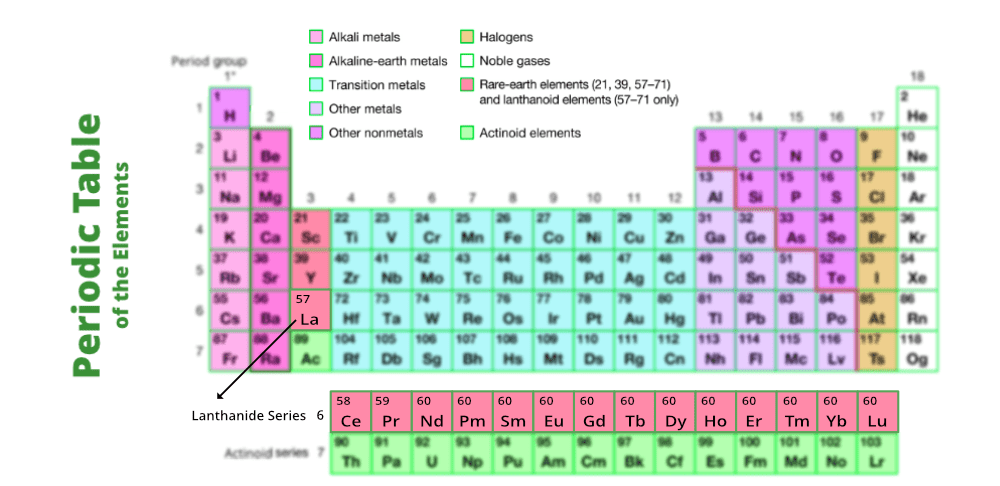
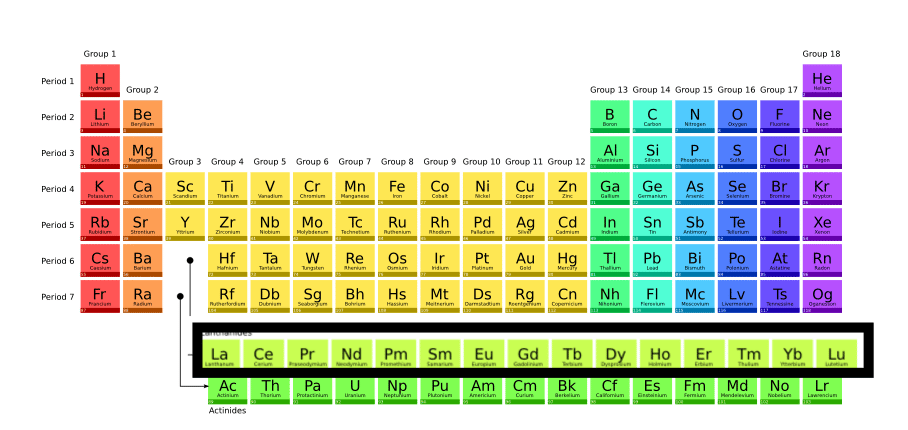
Okay, okay, I know what you’re thinking: “Fifteen elements? Who cares?” Well, let’s make this a little more interesting. The Lanthanides, also known as the rare earth elements (which sounds WAY cooler, right?), are a group of metallic elements with some surprisingly useful properties. They're wedged into the periodic table between Lanthanum (element 57) and Hafnium (element 72). They're like the awkward middle child of the element family, but secretly super talented.
Think of them as the spice rack of the periodic table. You don’t need tons of them for most things, but a tiny pinch can make all the difference!

Here's the breakdown:
From element 57 (Lanthanum) until element 71 (Lutetium) we have the Lanthanides. Sounds simple, right? But then comes the "except" part. And that is Cerium (Ce), Praseodymium (Pr), Neodymium (Nd), Promethium (Pm), Samarium (Sm), Europium (Eu), Gadolinium (Gd), Terbium (Tb), Dysprosium (Dy), Holmium (Ho), Erbium (Er), Thulium (Tm), Ytterbium (Yb), and Lutetium (Lu). See them all? All 15!
Promethium is the only one that doesn't have any stable isotopes, which means it's radioactive and a bit of a rebel in the family. Every family has one!

Why Should You Care About This Random Number?
Glad you asked! Remember those rock collectors I mentioned earlier? Well, the Lanthanides are often found together in the same mineral deposits. They’re like those friends who are always attached at the hip. And these minerals are used in a ton of stuff you probably use every day.
For example, Neodymium is used in powerful magnets, which are in everything from your phone to your car's engine. Europium is what gives red phosphors their glow in your TV screen. And Cerium is used to polish glass and even in catalytic converters in your car. So, yeah, those weird elements do have a purpose.
Think about it: the next time you’re binge-watching your favorite show on your phone while driving to work (okay, maybe not the driving part!), you’re basically surrounded by Lanthanides. They’re the unsung heroes of modern technology.
So, there you have it. 15 Lanthanides. They're not just some obscure chemical curiosity; they're a vital part of the world around us. Now you can impress your friends at your next trivia night with your newfound knowledge of the rare earth elements. And if they look at you funny, just tell them they're using them right now!
Now go forth and spread the Lanthanide love! You’ve earned it!