How Many Categories Of A Hurricane Are There
Ever found yourself glued to the news, watching swirling satellite images and hearing terms like "Category 3" being thrown around? When it comes to hurricanes, understanding the categories isn't just about sounding knowledgeable; it's about grasping the potential impact of these powerful storms and making informed decisions to stay safe. It's like knowing the difference between a drizzle and a downpour – both are rain, but they require vastly different responses!
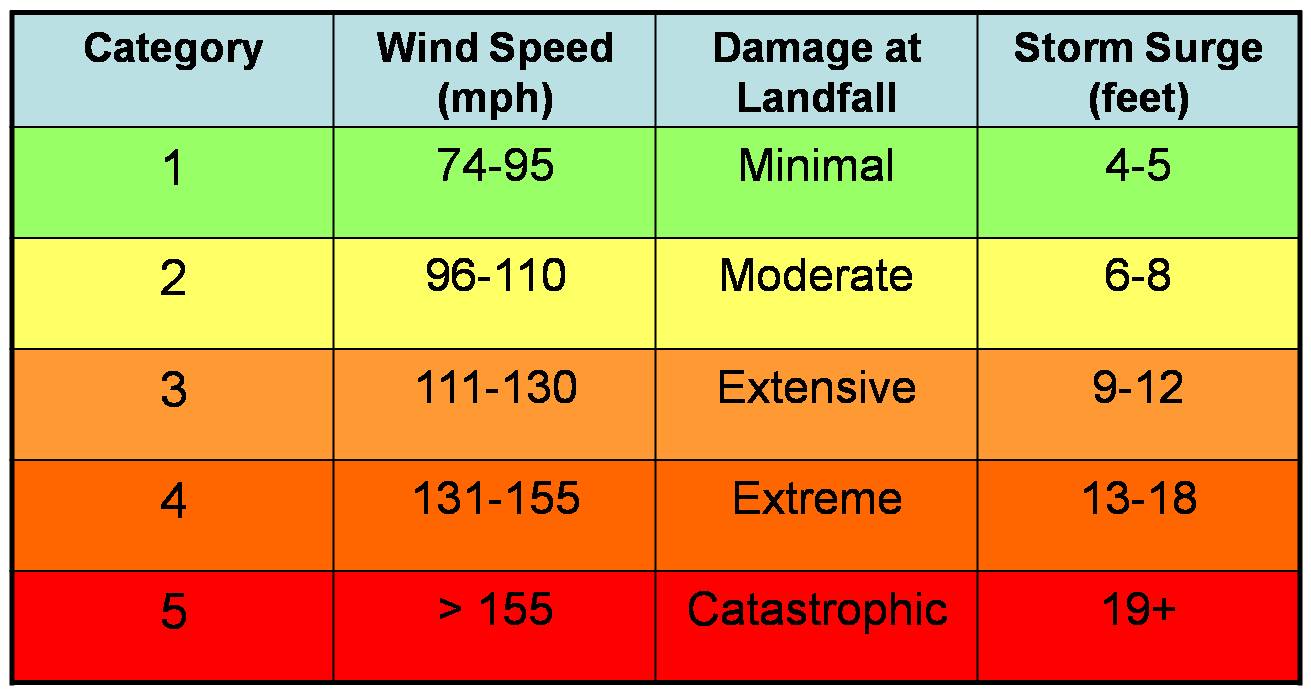
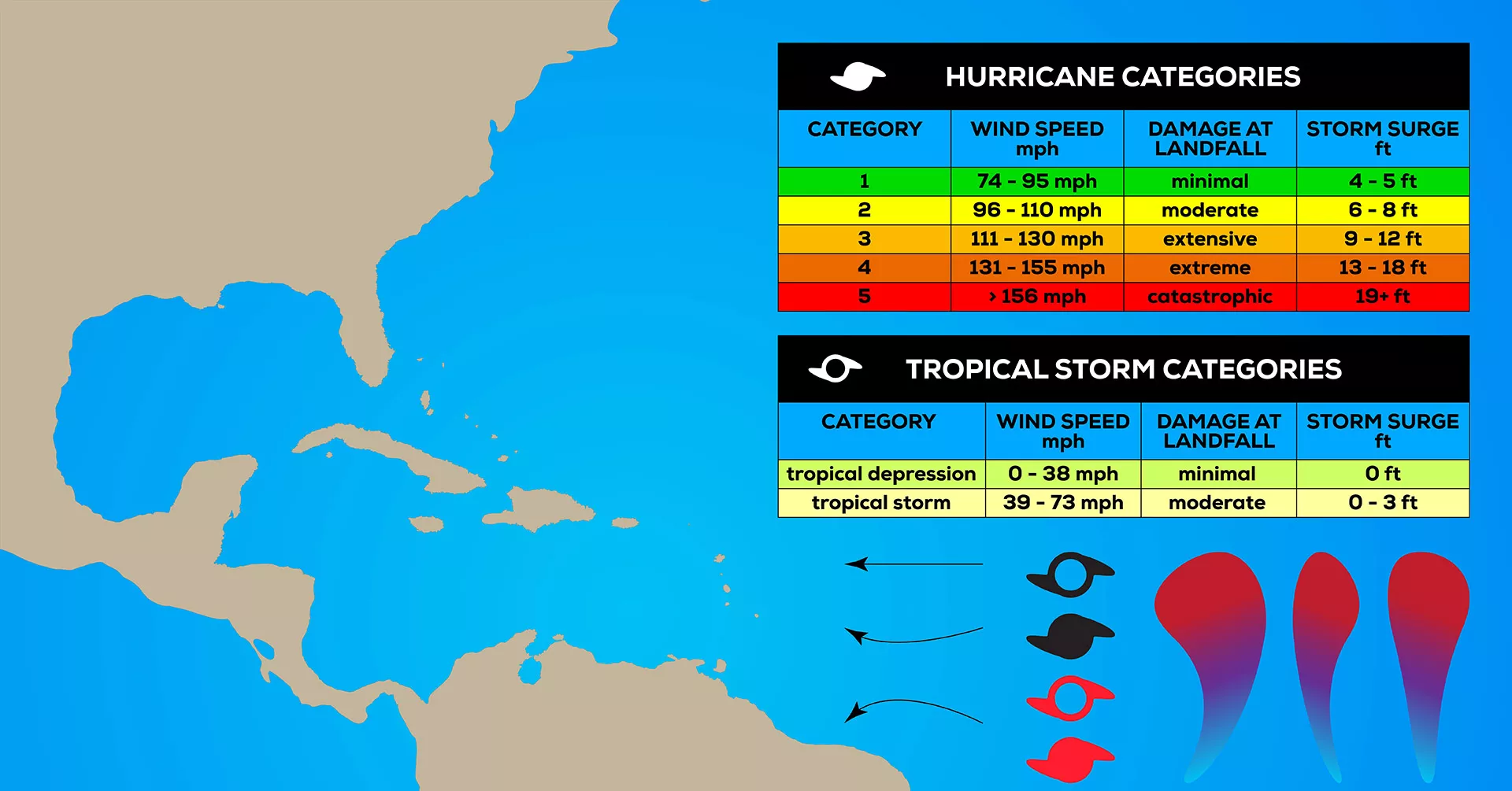
The categories we're talking about refer to the Saffir-Simpson Hurricane Wind Scale. This scale categorizes hurricanes based solely on their maximum sustained wind speeds. Why wind speed? Because wind is a primary driver of the damage caused by a hurricane. The stronger the wind, the greater the potential for structural damage, flooding, and other hazards. Understanding this scale allows emergency managers, weather forecasters, and the public to quickly assess the likely damage a hurricane could inflict on a specific area.
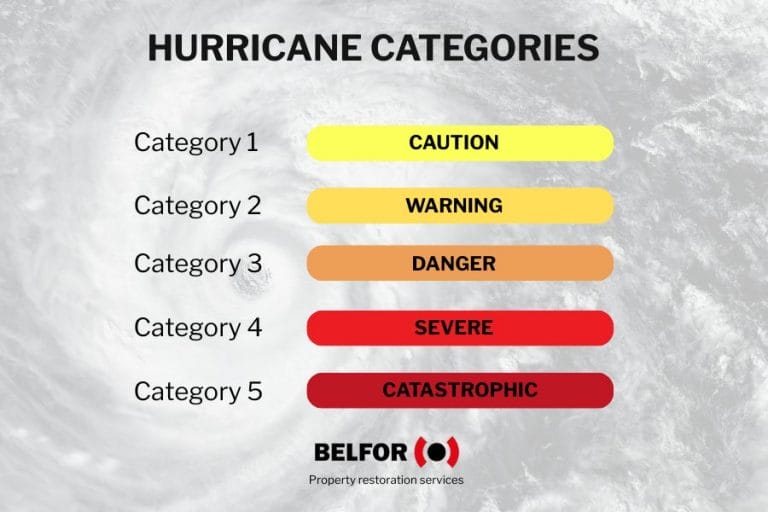
So, how many categories are there? The Saffir-Simpson Hurricane Wind Scale has five categories, numbered 1 through 5. Category 1 hurricanes have sustained winds between 74 and 95 mph (119-153 km/h), while Category 5 hurricanes pack winds of 157 mph (252 km/h) or higher. Each category corresponds to a range of potential damage. For example, a Category 1 hurricane might cause damage to roofs, gutters, and siding, while a Category 5 hurricane can lead to catastrophic destruction, with entire buildings destroyed.
Must Read
Knowing these categories has real-world benefits. In education, it helps students understand the science behind hurricanes and the relationship between wind speed and damage. In daily life, it empowers individuals to make informed decisions during hurricane season. If you hear that a Category 3 hurricane is approaching your area, you'll know that it's a major threat and that taking precautions like boarding up windows and evacuating if advised is crucial. Similarly, knowing a storm is only a Category 1 might influence your decision to stay put, but still prepare for potential power outages and minor damage.
Think of it this way: a Category 1 hurricane is like a strong punch, capable of leaving a mark. A Category 5 hurricane is more like a knockout blow, potentially devastating. The higher the category, the more prepared you need to be.
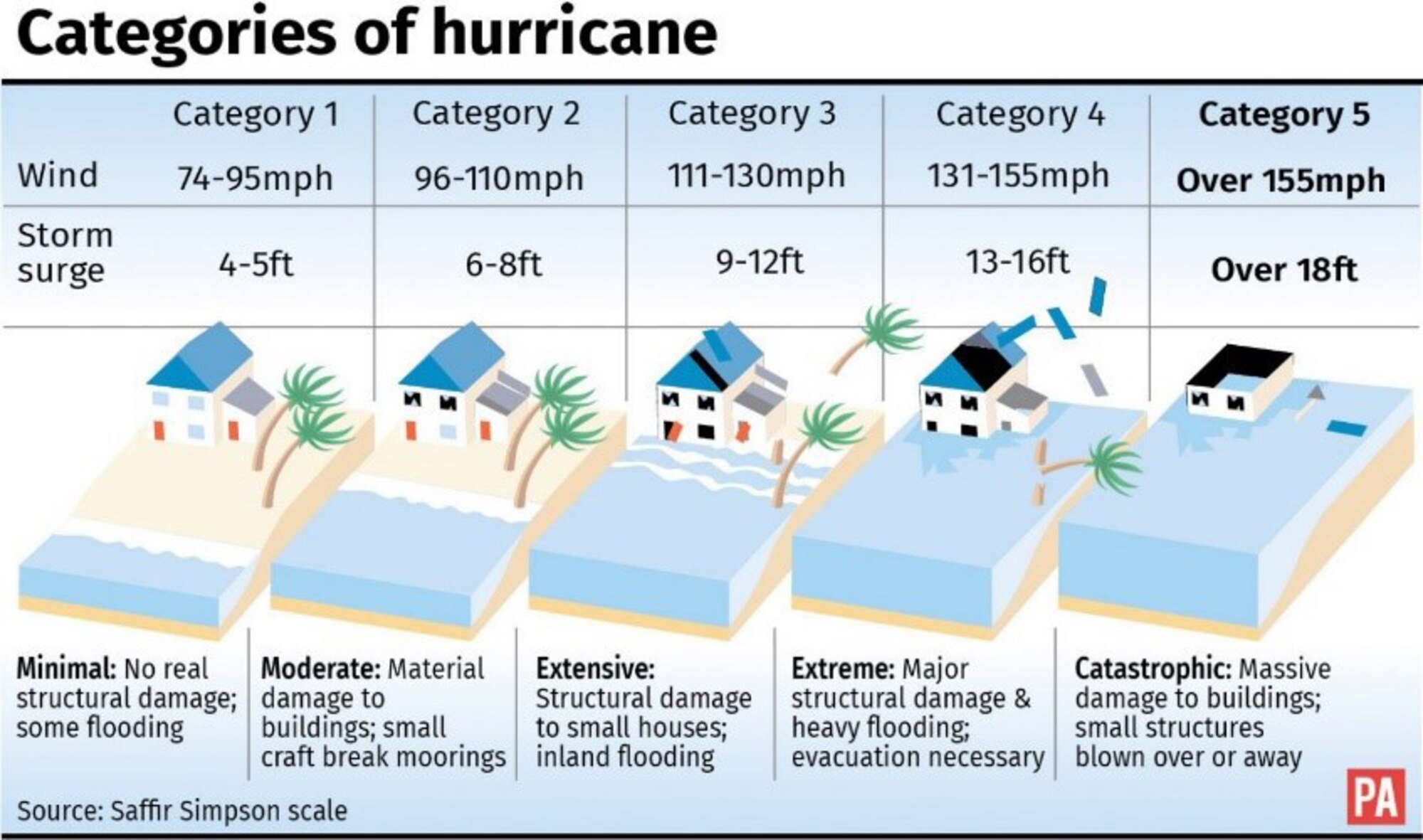
Want to explore hurricane categories further? A simple way is to visit the National Hurricane Center website. They have detailed information about the Saffir-Simpson Hurricane Wind Scale, including descriptions of the damage associated with each category. Another practical tip is to familiarize yourself with your local evacuation routes and emergency plans. Knowing what to do in advance can save lives. You can also track current hurricanes through various weather apps and news outlets, paying close attention to their category and projected path.
Understanding hurricane categories isn't just for meteorologists; it's for everyone who lives in hurricane-prone areas. By understanding the scale, we can better protect ourselves, our families, and our communities. So, next time you hear about a hurricane, remember the Saffir-Simpson scale and take the necessary steps to stay safe.