
How Many Btus Are In A Therm

Ever stared at your utility bill, a cup of lukewarm coffee in hand, and felt like you needed a decoder ring just to understand what you’re paying for? You’re not alone! Tucked away amidst the numbers and charges, you’ll often find terms like “BTU” and “Therm.” They sound like characters from a sci-fi movie, but trust me, they're just trying to tell you how much warmth your home is using. And today, we’re going to demystify one of the biggest head-scratchers: How many BTUs are in a Therm?
It’s a bit like wondering how many individual grains of sand make up a bucketful. Or perhaps, how many tiny sips make up a truly satisfying mug of cocoa on a cold day. We use different units for different scales, and energy is no different. Let's dive in!
So, What's a BTU Anyway?
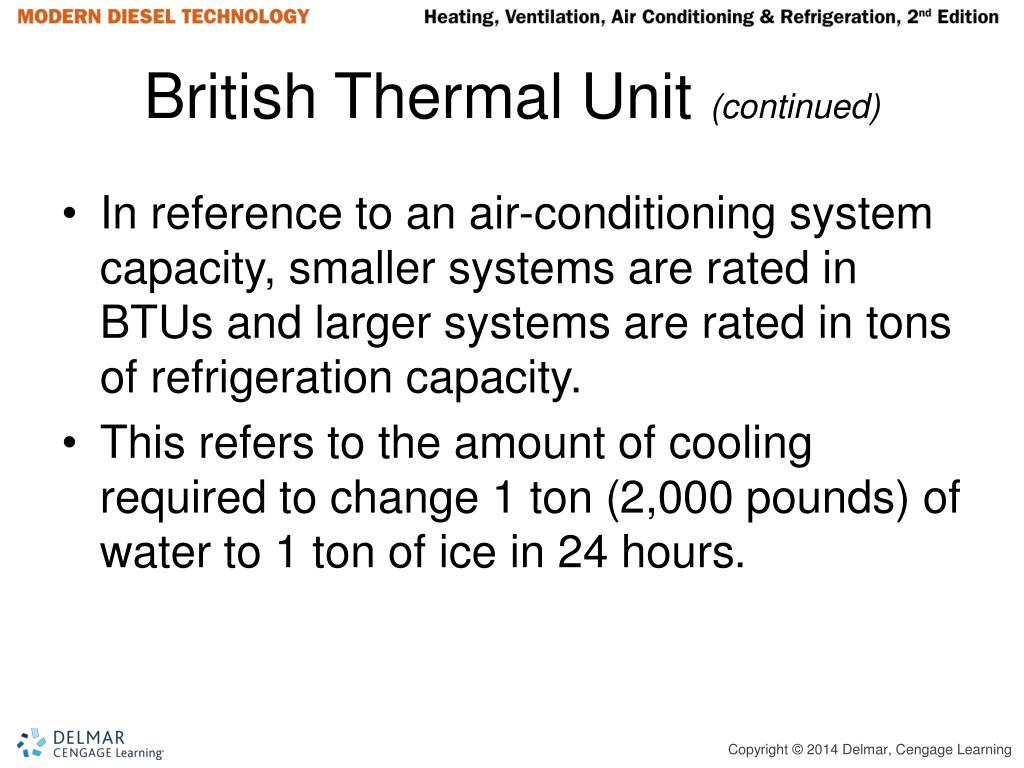
Let’s start with the little guy. BTU stands for British Thermal Unit. Don't worry, you don't need a fancy accent to understand it. Think of a BTU as a teeny-tiny hug of warmth. Seriously. It's the amount of energy needed to raise the temperature of one pound of water by one degree Fahrenheit. Pretty specific, right?
Must Read
Imagine holding a single match for a second. That's roughly a BTU. Or the effort it takes to make your pinky finger ever-so-slightly warmer. It’s a useful unit for measuring the output of individual appliances, like that little space heater valiantly trying to warm your freezing feet under your desk. It’s like saying, "This heater gives off 5,000 tiny hugs of warmth per hour!"
And a Therm?
Now, if a BTU is a tiny hug, a Therm is like a full-blown, bear-sized embrace from your favorite aunt on Christmas morning. It’s a much larger unit of heat energy, typically used for measuring natural gas consumption. You’ll see it proudly displayed on your gas bill, telling you how much fuel you've burned to heat your home, cook your dinner, or take that gloriously hot shower.
Think of it as a convenient bundle. Instead of counting hundreds of thousands of individual BTU 'hugs' your furnace delivered, the gas company just says, "Hey, you used X Therms!" It’s like buying a family-sized bag of chips instead of counting out each individual crisp. Much easier, right?
The Big Reveal: The Magic Number!
Alright, drumroll please! The moment you've been waiting for. How many of those tiny BTU hugs are packed into one Therm-sized embrace? Here it is, the secret handshake of the energy world:
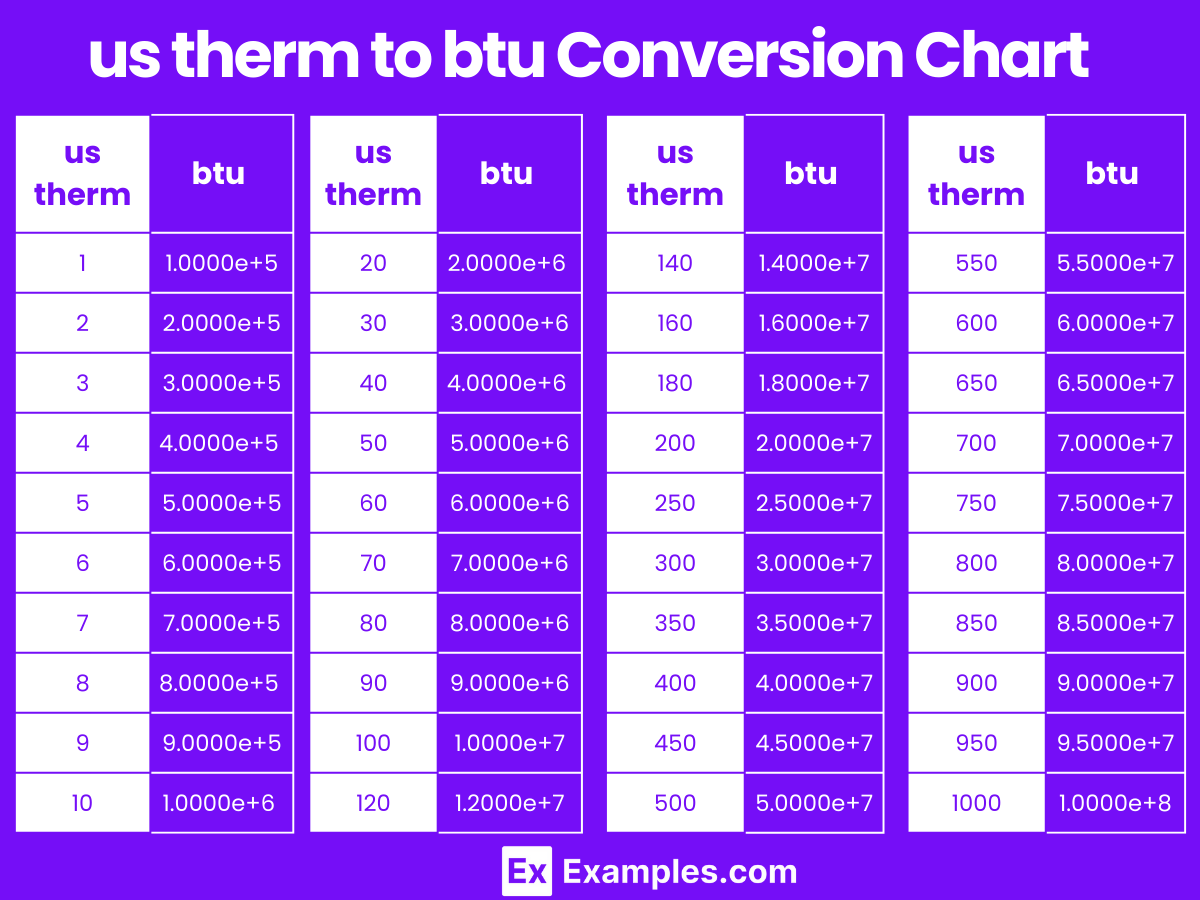
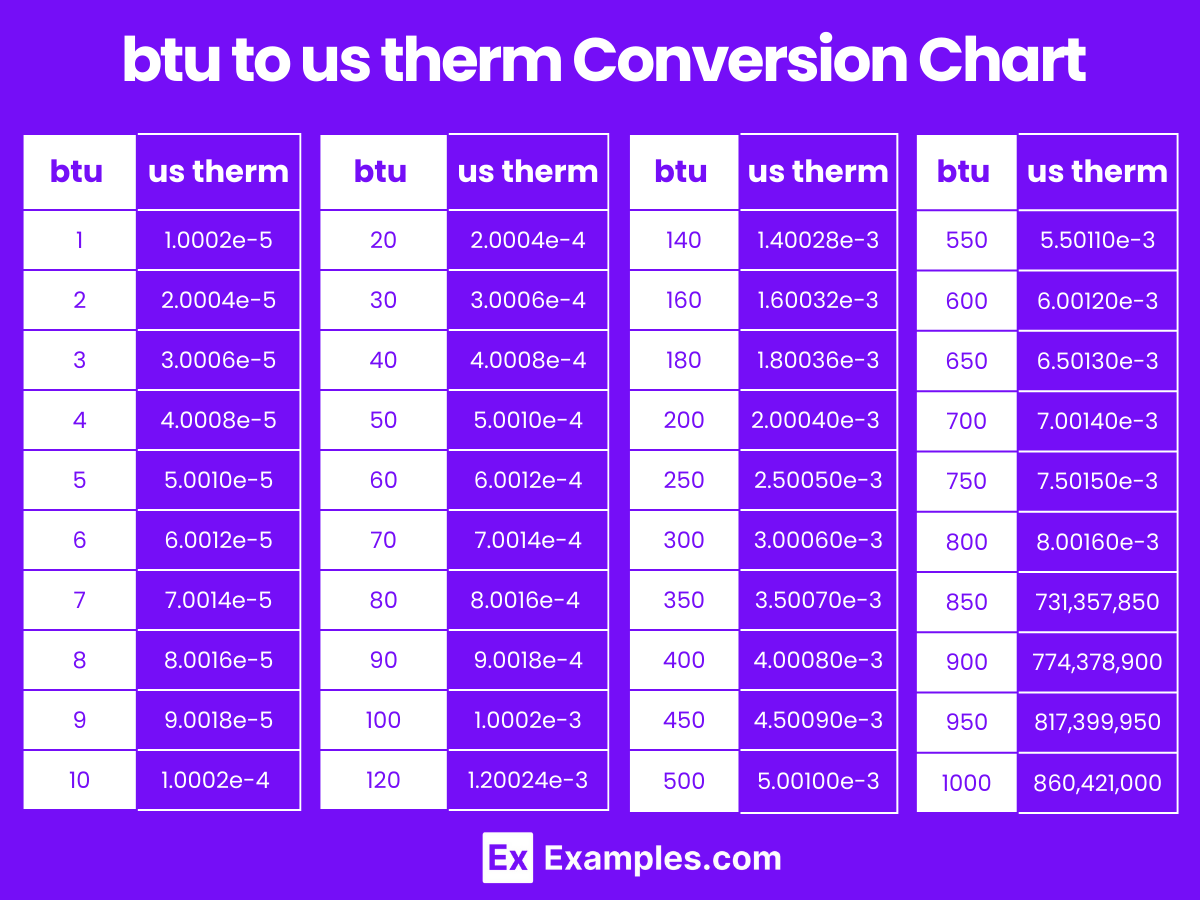
One Therm is equal to 100,000 BTUs.
Yup, that's a hundred thousand tiny little heat units. It's a big number, but it makes sense when you think about heating an entire house versus just a cup of water. Your furnace isn't just giving off a few thousand tiny hugs; it's practically throwing a whole parade of warmth!
Why Should You Even Care? (Beyond Bragging Rights)
Knowing this magic number isn't just for impressing your friends at dinner parties (though it totally works). It's actually pretty handy for understanding your energy consumption and even making smart decisions about your home.
1. Decoding Your Bill: When you see "Therms" on your natural gas bill, you now have a real sense of the amount of actual heat you've purchased. It’s not just an arbitrary number; it represents a significant amount of heating power.
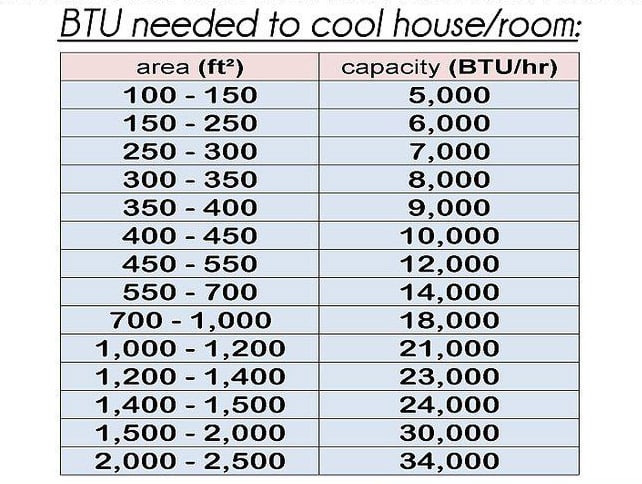
2. Appliance Shopping: Ever compared furnaces or water heaters? You'll often see their output rated in BTUs. Knowing that 100,000 BTUs equals a Therm helps you compare apples to apples (or rather, warmth to warmth). A 60,000 BTU furnace might be great for a smaller home, but a 120,000 BTU beast is ready to tackle a much larger space – essentially delivering 1.2 Therms worth of heat every hour it runs at full tilt!
3. Energy Efficiency: Understanding the relationship helps you grasp the scale of energy usage. When you crank up the heat on a chilly morning, you’re not just burning a little bit of gas; you’re unleashing hundreds of thousands of BTUs to chase away the shivers. It puts that "turn down the thermostat" advice into perspective.
Think of it like this: your car's fuel efficiency might be measured in miles per gallon. But how many tiny sips of fuel make up that gallon? It's the same principle. We're just converting the big measurement (Therms) into its smaller, more granular components (BTUs) to better understand the engine of your home's comfort system.
So, the next time you glance at that gas bill, you can give a knowing nod. You're not just paying for "Therms"; you're paying for hundreds of thousands of cozy BTUs, all bundled up nicely, ready to warm your world. And that, my friend, is pretty cool… or rather, very warm!