
How Many Btu To Heat 300 Sq Ft

Okay, picture this: It's a crisp Saturday morning, the kind where your breath plumes in front of you, even indoors. You've got this super cozy little den, maybe your home office, a guest bedroom, or that awesome gaming nook, roughly 300 square feet of pure potential. You bought a dinky little space heater last year, plugging it in with all the optimism of a toddler on Christmas morning, only to find it was about as effective as a hairdryer in a walk-in freezer. Sound familiar?
You’re not alone, my friend. We’ve all been there, shivering in a supposedly "heated" space, wondering if we accidentally bought a decorative hairdryer instead of an actual heat source. And that’s precisely why we’re here today, armed with curiosity (and maybe a hot coffee), to tackle the burning question: how many BTUs do you actually need to heat that sweet 300 sq ft sanctuary?
What's a BTU Anyway? Let's Get Nerdy (But Not Too Nerdy)
Before we dive into square footage and frosty toes, let's quickly demystify the mighty BTU. It stands for British Thermal Unit. Fancy, right? Basically, it’s a measurement of heat energy. Think of it like horsepower for your car, but for warmth. One BTU is the amount of energy needed to raise the temperature of one pound of water by one degree Fahrenheit. Yeah, science! But for our purposes, just remember: more BTUs mean more heating power.
Must Read
So, when you see a heater or an AC unit advertised with a BTU rating, it's telling you how much heat it can add (or remove) from a space. Pretty crucial stuff if you ask me!
The 300 Sq Ft Starter Pack: A Rough Estimate
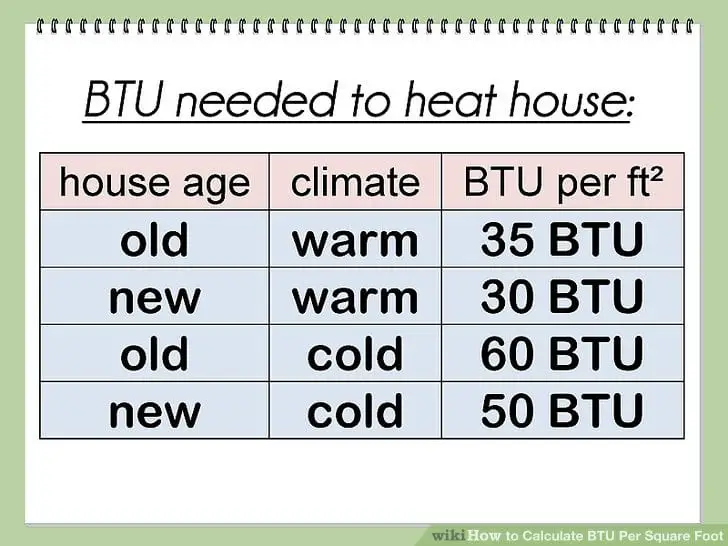
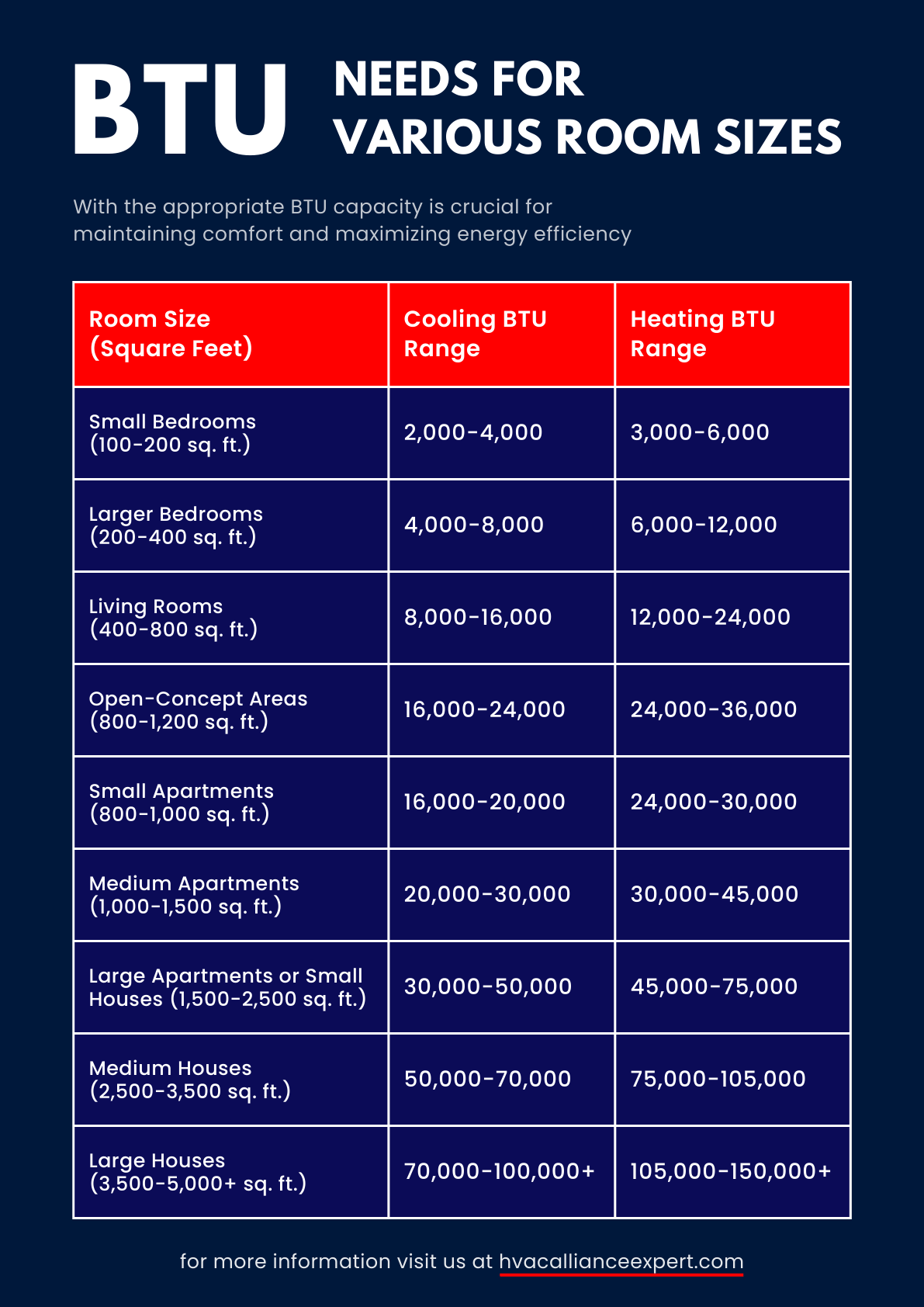
Alright, let’s get down to business. For a really quick, back-of-the-napkin estimate, the general rule of thumb is that you need about 20 BTUs per square foot to heat a space comfortably in a moderately cold climate. This is your starting point, your baseline, your heating hypothesis!
So, if your cozy little space is 300 square feet, the math is delightfully simple:
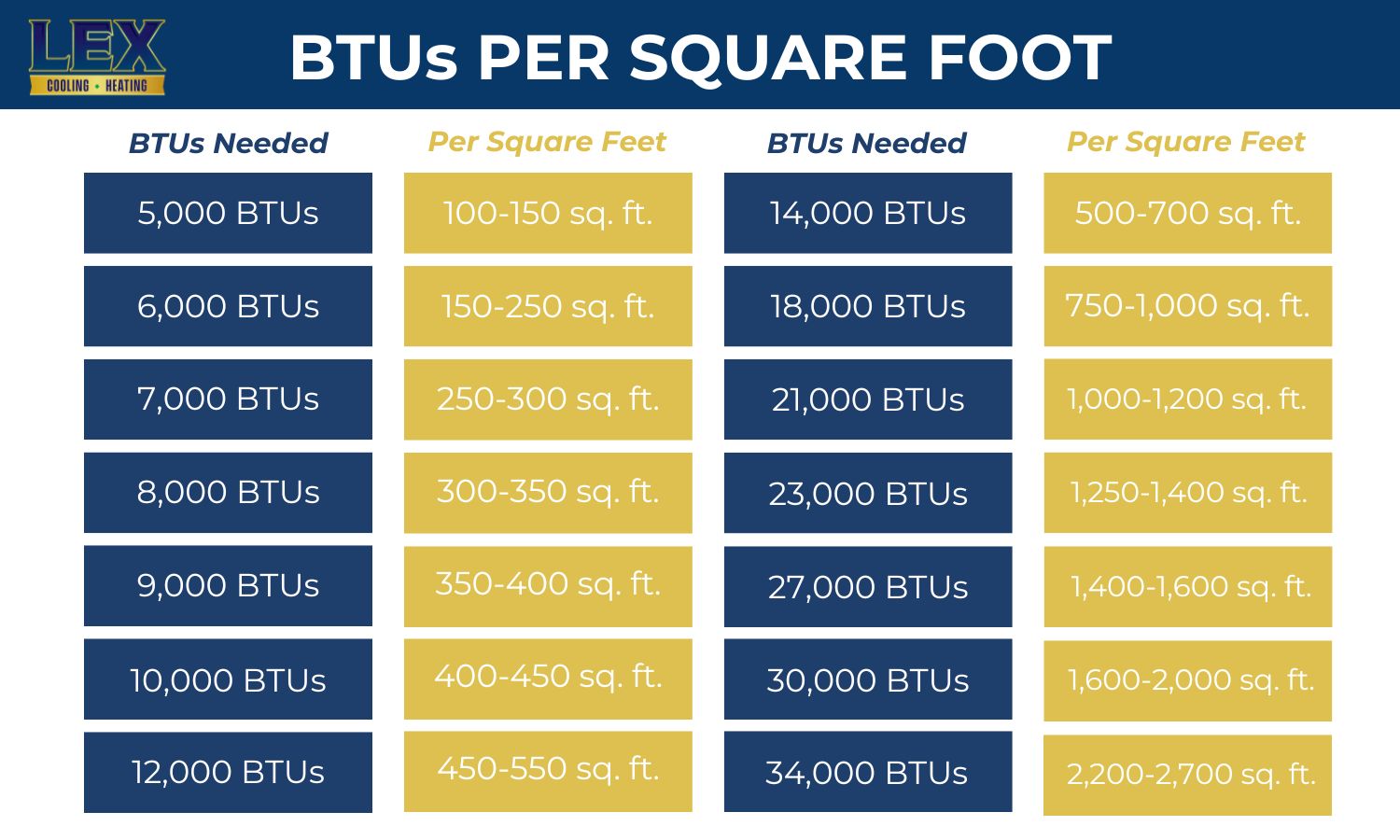
300 sq ft x 20 BTUs/sq ft = 6,000 BTUs
There you have it! A 6,000 BTU heater or heating system should, theoretically, keep your 300 sq ft space feeling toasty warm. But hold your horses, because as with most things in life, it’s not quite that simple. (Isn't that always the way?)
But Wait, There's More! The "It Depends" Factor
You know how everyone always says, "It depends"? Well, when it comes to heating, it really depends. That 6,000 BTU estimate is a great starting point, but we need to factor in some real-world considerations that can seriously change your actual BTU needs. Let's call these the "toasty modifiers."
1. Your Climate, My Friend:
Are you trying to heat 300 sq ft in sunny Miami, or in the heart of a Minnesota winter? Huge difference, right? Colder climates will obviously require more BTUs to combat the external chill. If you live somewhere seriously frigid, you might need to bump that 20 BTU/sq ft number up significantly, perhaps to 25 or even 30 BTUs/sq ft.
2. Insulation Situation:
Is your 300 sq ft space as well-insulated as a Yeti cooler, or does it have walls that feel like Swiss cheese? Good insulation is your best friend. It keeps the heat in, meaning you need fewer BTUs to maintain a comfortable temperature. If your space is poorly insulated, you'll be constantly losing heat, and that 6,000 BTU estimate will feel like a mere suggestion.
3. Windows & Doors:
Ah, the culprits of drafts! Are your windows single-pane relics from another century, or modern, energy-efficient double-paned beauties? Do your doors seal tightly, or do they let in a chilly breeze that whispers sweet nothings about your heating bill? More windows, especially older ones, and drafty doors mean more heat loss, which translates to a higher BTU requirement.
4. Ceiling Height:
Most calculations assume standard 8-foot ceilings. But if your 300 sq ft space boasts lofty 10-foot or even cathedral ceilings, you're essentially heating a much larger volume of air. You’ll definitely need to factor in extra BTUs to compensate for that added vertical space.
5. Your Personal Toasty Factor:
Are you someone who likes it oven-hot, or do you prefer a cool, crisp indoor climate? Some people are perfectly happy at 68°F, while others won a lifetime supply of goosebumps and need it closer to 75°F. Your personal comfort level plays a role in how hard your heating system needs to work.

So, What's the Real Answer for 300 Sq Ft?
The core answer is still that a 6,000 BTU system is a good baseline for a 300 sq ft room under average conditions. However, if you tick off a few of those "more BTUs needed" factors (hello, drafty windows in a cold climate!), you might be looking at closer to 7,500 to 9,000 BTUs to genuinely feel comfortable.
It’s always better to slightly overestimate your BTU needs than to underestimate them. Why? Because an undersized heater will run constantly, struggling to reach your desired temperature, which is inefficient and expensive. An appropriately sized or slightly oversized unit will cycle on and off more efficiently, saving you energy and keeping you cozy without breaking a sweat (or a bank).
Your Next Steps, Smarty Pants
Now that you're armed with this crucial BTU knowledge, here’s what I recommend:
- Assess Your Space: Seriously, take a mental (or actual) inventory. How's the insulation? What kind of windows do you have?
- Consider Your Climate: Be honest about how cold it truly gets where you live.
- Lean Towards Overestimation: If you're on the fence, go for the higher BTU option. Your future warm self will thank you.
- Consult a Pro (If You're Installing a Whole System): For bigger, more permanent heating solutions, an HVAC professional can do a precise heat load calculation for your exact space. It's worth it for long-term comfort and efficiency!
No more shivering in that 300 sq ft haven, okay? Go forth and choose your heating wisely, my warm and wonderful friend!