
How Many Btu Per Sq Ft Cooling

Hey there, cool cat! Ever found yourself melting into your couch on a scorching summer day, dreaming of a magical chill button? Yeah, me too. We all wonder, "How much oomph does my air conditioner actually need to make this sauna feel like a frosty wonderland?" That's where BTUs per square foot come into play, and trust me, it's way less intimidating than it sounds.
Think of it as the secret handshake to a perfectly cool home. Let's dive in!
What's a BTU, Anyway? (And No, It's Not a Pokémon)
First things first, let's demystify this fancy acronym: BTU stands for British Thermal Unit. Sounds super proper, right? Essentially, it's a unit of energy. Specifically, it's the amount of energy needed to raise one pound of water by one degree Fahrenheit. For AC, it measures how much heat your unit can remove from a space in an hour.
Must Read
So, a higher BTU number means a more powerful cooling punch. Easy peasy, lemon squeezy!
The Big Question: How Many BTU Per Sq Ft Do I Need?
Alright, down to brass tacks. You're probably looking for a nice, neat number you can use. While it's not always a fixed science, there's a fantastic starting point, a general rule of thumb that's super helpful:
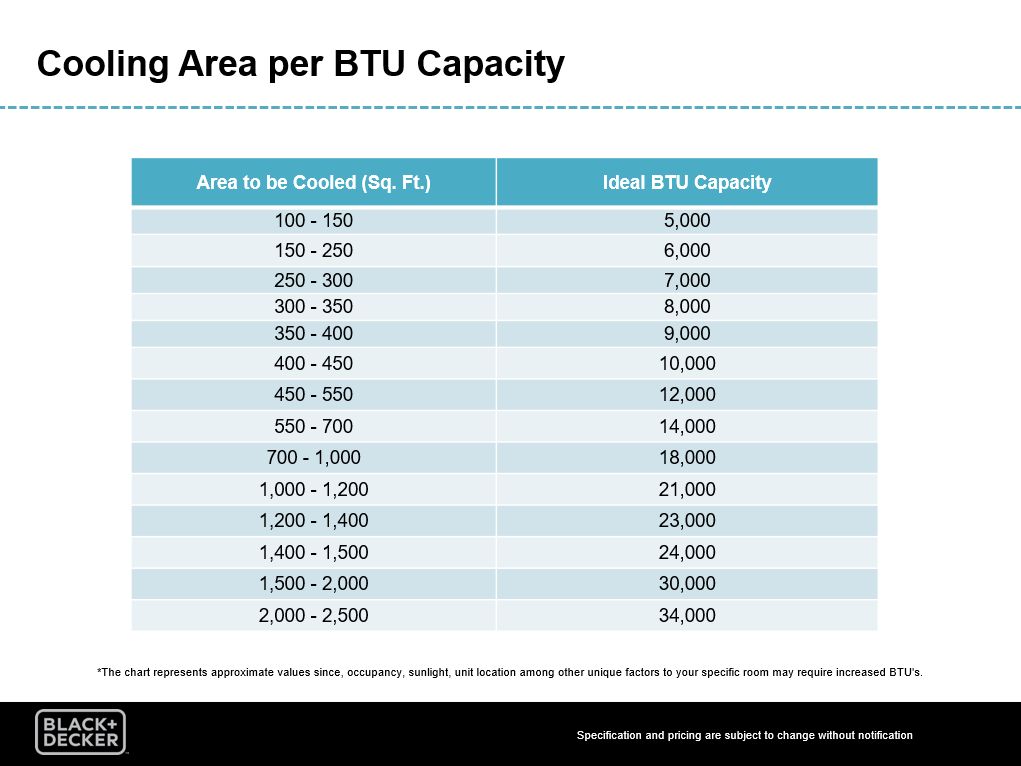
Most experts suggest a baseline of around 20 BTUs per square foot for cooling residential spaces. This is your go-to guy for a quick estimate.

For example, if you have a 500-square-foot room, you'd typically look for an AC unit around 10,000 BTUs (500 sq ft x 20 BTU/sq ft = 10,000 BTU). Not rocket science, right? More like "cool-room science."
Hold Your Horses! It's Not Always 20 BTU
Now, before you go buying the first 10,000 BTU unit you see, let's add a few sprinkles of reality. That 20 BTU per square foot is a great starting point, but your home is as unique as your grandma's secret cookie recipe. Several factors can crank that number up or down like a DJ spinning tracks:
-
Your Local Climate: Living in a scorching desert? You'll need more muscle than someone in a breezier coastal town. Makes sense, right? A swampy southern summer is a different beast!
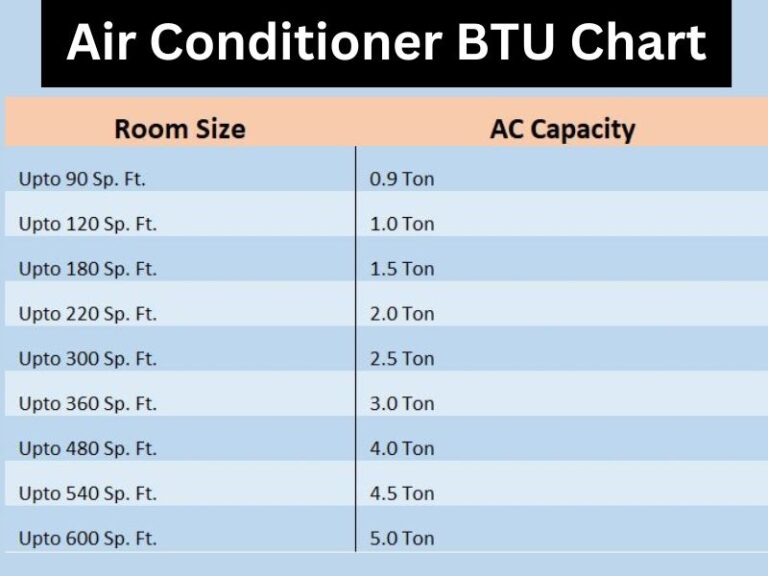
Air Conditioner BTU Calculator With Chart And Guide -
Sun's Out, BTUs Up: Does your room get blasted by the sun all day? Lots of unshaded, south-facing windows mean more heat gain, thus needing more BTUs. Those sunbeams are basically tiny heat delivery drones!
-
Insulation Situation: Is your home sealed tight or leaky? Good insulation (walls, attic, windows) keeps heat out, reducing your BTU needs. Poor insulation? Prepare to bump those numbers up.
-
Ceiling Height: Standard ceilings are around 8 feet. If you've got glorious, lofty cathedral ceilings, you're cooling a much larger volume of air, so you'll need more BTUs. It’s like filling a bigger bucket!
-
People & Appliances: Every person and appliance (TVs, computers, kitchen equipment) generates heat. A busy kitchen needs more cooling power than a quiet study.

How many BTUs do I need: The Comprehensive Guide | LG GLOBAL -
Window Wisdom: Not just sun, but the type of windows. Single-pane windows are worse insulators than double or triple-pane, low-E windows. More windows = potentially more heat coming in.
The "Just Right" Zone: Why Size Matters
You might think, "Well, I'll just get the biggest AC unit!" Hold up, superstar. Bigger isn't always better. And smaller is definitely not better. It's about finding that Goldilocks zone:
If your AC is too big (oversized), it'll cool super fast then short cycle. This means it won't run long enough to properly dehumidify, leaving you cool but clammy. Gross, right? Plus, it's less efficient and wears out faster.
If your AC is too small (undersized), it'll run constantly, working its little heart out, but never quite reaching your desired temperature. You'll still be warm, and your energy bills will be sad. Nobody wants a sad energy bill.
When In Doubt, Call a Pro!
While this guide gives you a fantastic head start, remember that calculating precise BTU needs can get a little nuanced. For the absolute best results and a perfectly sized system, always consider consulting a professional HVAC technician. They have super-secret formulas (and fancy tools) to factor in all the little details of your specific space. They're like the cooling wizards of the modern age!
Stay Chill, My Friend!
So there you have it! Understanding BTUs per square foot isn't just about numbers; it's about creating your perfect oasis of cool comfort. With a little knowledge and maybe a chat with a pro, you can banish those sweaty days to the history books and embrace a summer filled with refreshing breezes and delightful temperatures.
Go forth and be cool! You've got this!