How Many Btu Cooling Per Sq Ft

Ever walked into a room and felt like you were either in a freezer or a sauna, even with the AC blasting? Or maybe you've just stared at an air conditioner's BTU rating, wondering what on earth it actually means for your living space? Well, you're not alone! Figuring out how many BTUs of cooling you need per square foot is one of those surprisingly fun and incredibly useful bits of knowledge that can save you discomfort, money, and a whole lot of head-scratching. It's like being an indoor weather wizard, crafting your perfect personal climate.
This topic is a real game-changer for several different folks. For beginners and first-time homeowners, understanding BTUs per square foot means you can confidently pick out the right window unit, or even discuss central AC options intelligently with a contractor, avoiding costly mistakes like over or under-sizing your system. Families will love it because it means everyone stays comfortable without battling over the thermostat, and you can significantly cut down on those hefty summer electricity bills. And for the hobbyists or DIY enthusiasts, it's a fantastic stepping stone to truly optimizing your home's energy efficiency, understanding insulation's impact, and even planning for future smart home upgrades that keep your abode perfectly chilled.
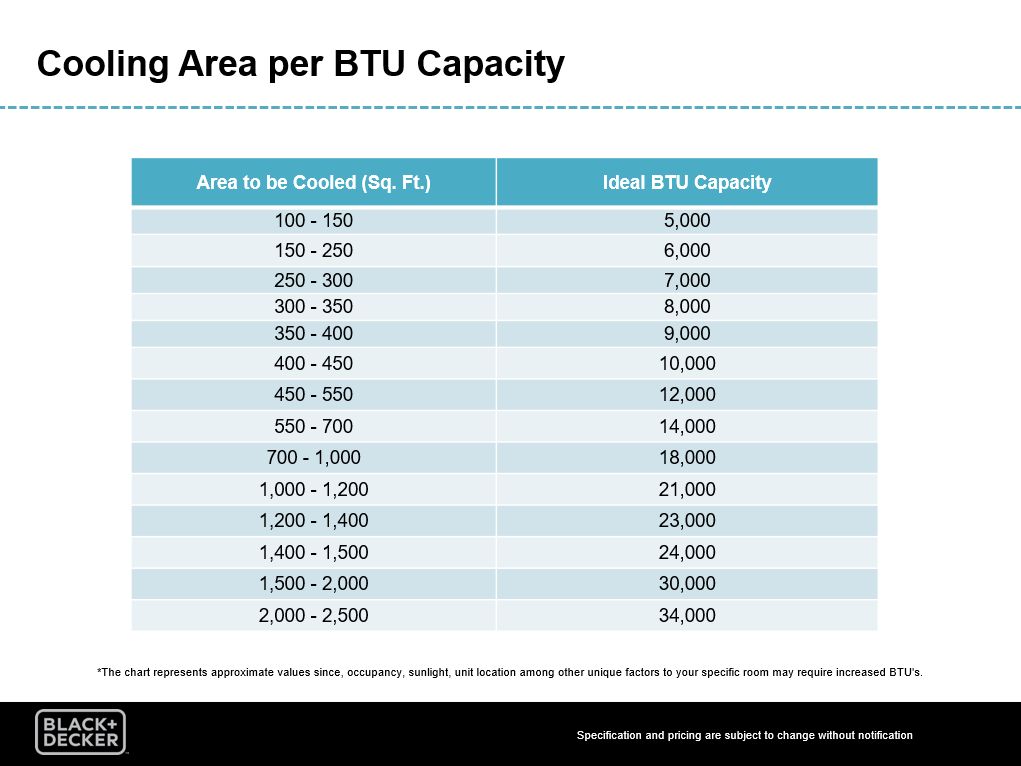
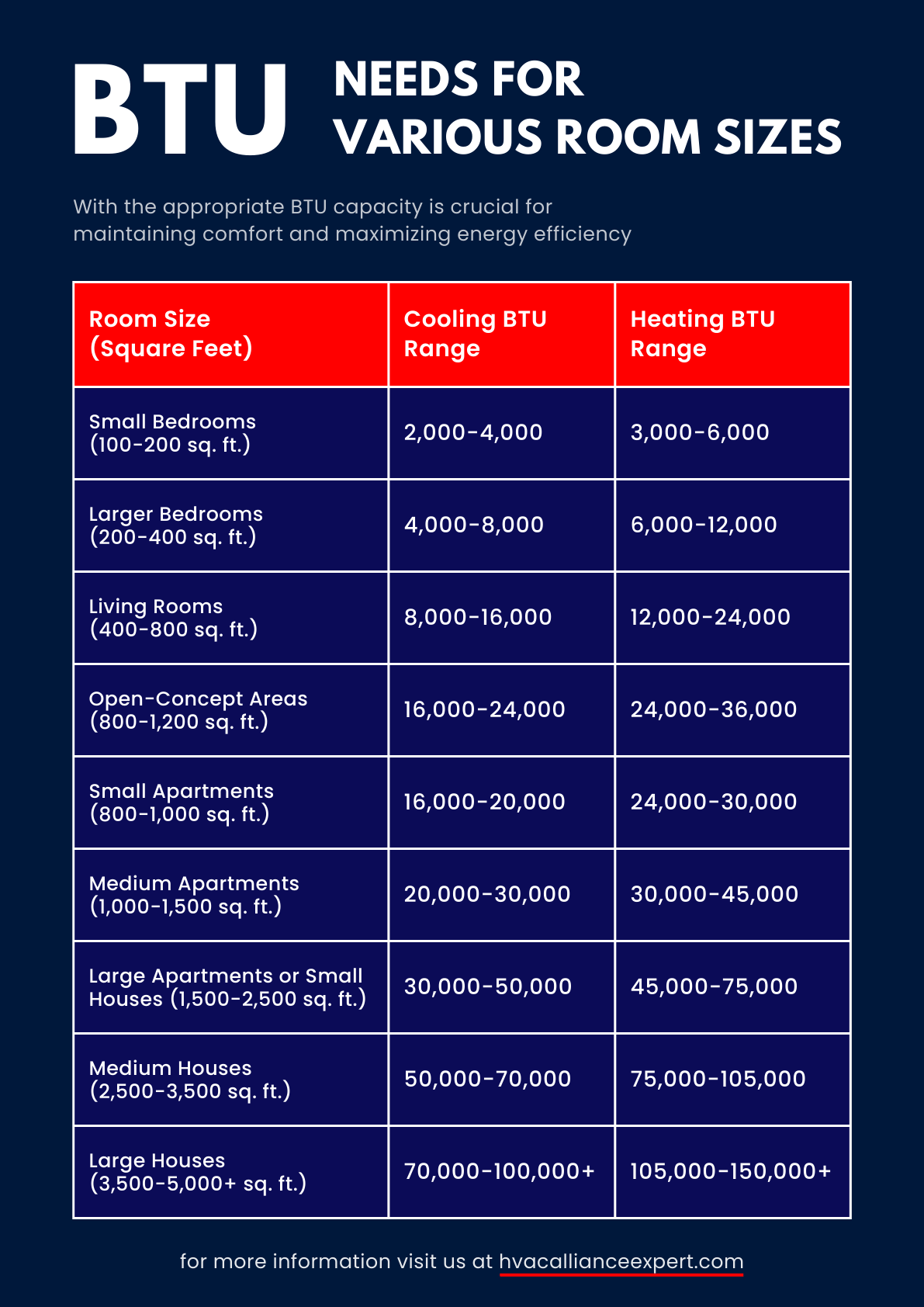
So, what's the general idea? A common rule of thumb often suggests around 20 BTUs per square foot for typical residential spaces. But here's where it gets interesting – it's not a one-size-fits-all formula! Think of it more as a starting point. For example, a 200 sq ft bedroom might seem to need 4,000 BTUs (200 x 20), but what if it's a south-facing room with huge windows that bake in the sun all afternoon? Or maybe it's an older house with poor insulation? These factors mean you'll likely need more cooling power. Conversely, a heavily shaded room in a well-insulated, modern home might get away with slightly less. Other influences include your local climate (hello, humid summers!), ceiling height, the number of occupants (people generate heat!), and heat-producing appliances like computers or kitchen stoves. A kitchen, for instance, typically needs more BTUs than a similar-sized living room because of oven heat and cooking.
Must Read
Ready to get started on your own cooling quest? First, measure your room's square footage accurately – length times width. Then, don't just stop at the 20 BTU rule! Think about all those influencing factors we just discussed. Is the room sunny or shaded? Is your insulation top-notch or questionable? Do you have high ceilings? Are there many heat-generating electronics? You can often find online BTU calculators that factor in these variables, giving you a more tailored recommendation. A crucial tip: don't be tempted to oversize your AC unit, thinking "more is better." An oversized unit will cool the room too quickly, then shut off (this is called "short cycling"), which actually leads to higher humidity and less efficient cooling. An undersized unit, on the other hand, will run constantly, struggling to cool the space and wearing out faster. When in doubt, especially for central air systems, it’s always wise to consult with an HVAC professional. They can perform a detailed load calculation specific to your home.
Ultimately, understanding BTUs per square foot isn't just about numbers; it's about creating an inviting, comfortable, and energy-efficient living space. It's about being empowered to make smart choices that keep you cool without breaking the bank. So go ahead, measure your space, consider the variables, and enjoy the blissful feeling of a perfectly chilled home!