How Many Btu Air Conditioner For 1500 Square Feet

Hey there, cool cats! Ever wondered how to keep your 1500 square foot castle (or, you know, apartment) from turning into a sweltering sauna? We're diving into the world of BTU's and air conditioners to figure out just how much cooling power you need. Trust me, it's less intimidating than it sounds. Think of it like ordering pizza – you want enough to satisfy, but not so much you're stuck with leftovers for a week!
BTUs: What's the Big Deal?
Okay, first things first: BTU. It stands for British Thermal Unit, and basically, it's a way to measure how much energy it takes to heat or cool something. In our case, we're talking about cooling. So, a higher BTU number means more cooling power. Got it? Great! Think of BTUs as the chill factor – the higher the number, the chillier your space will be.
But why is it important to get the right BTU? Well, an air conditioner that's too small will be working overtime, struggling to keep up and potentially burning out faster than a shooting star. On the other hand, an AC that's too big will cool the room so quickly that it won't properly dehumidify, leaving you with a damp and clammy feeling – yuck! It's like wearing a parka in spring: overkill.
Must Read
The 1500 Square Foot Question: How Many BTUs Do I Need?
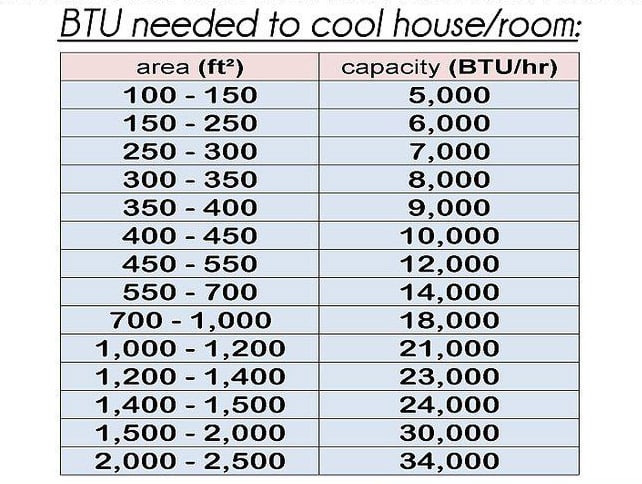
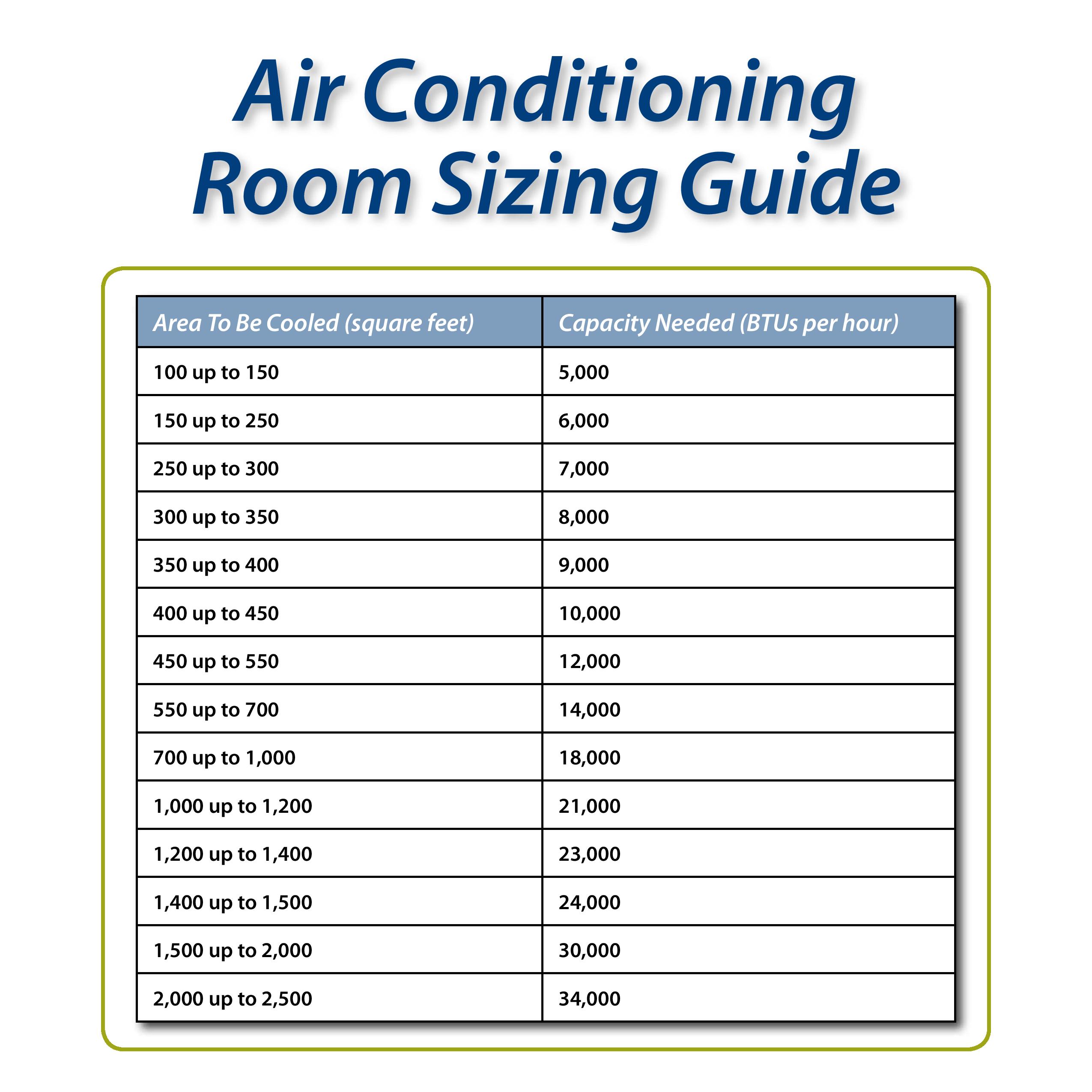
Alright, let's get to the juicy part: figuring out how many BTUs you need for your 1500 square feet. Now, there's a general rule of thumb that many people use: about 20 BTU per square foot.
So, let's do some quick math: 1500 square feet x 20 BTU/square foot = 30,000 BTU. Ta-da! That's your starting point. Think of it as the base recipe for your perfect indoor climate.
But hold on, it’s not quite that simple. There are a few more things to consider.
Factors That Throw a Wrench in the Works (or Make it Cooler!)
Remember that "general rule of thumb" we just talked about? Well, it’s a good starting point, but real life is rarely that straightforward, right? Several factors can influence the BTU requirement for your space. Let’s break them down:
- Sun Exposure: Does your place get blasted by sunshine all day long? If so, you might need to bump up the BTUs. Think of it like this: your AC is fighting a constant battle against the sun's heat. More sun, more fight.
- Insulation: How well insulated are your walls and windows? Good insulation keeps the cool air in and the hot air out. Poor insulation? Well, you're basically throwing money out the window (literally!).
- Ceiling Height: High ceilings mean more volume to cool. If you’ve got cathedral ceilings, you'll need a more powerful AC to reach all that extra space.
- Number of People: Each person in a room generates heat. Think of it like a mini-heater. If you regularly have a bunch of people hanging out, you'll need more cooling power.
- Appliances: Ovens, computers, and even light bulbs can generate heat. If you have a home office with a bunch of equipment, factor that in.
For example, if your 1500 sq ft space is super sunny, poorly insulated, and frequently hosts a crowd, you might need to add another 3,000 to 5,000 BTUs. On the other hand, if your place is shady, well-insulated, and mostly occupied by just you and your pet goldfish, you might be able to get away with slightly fewer BTUs. Finding the right balance is key!

Beyond the BTUs: Other Things to Consider
Choosing the right BTU is crucial, but it's not the only factor. Here are a few more things to keep in mind:
- Type of AC: Are you looking at a window unit, a portable AC, or a central air system? Each type has its pros and cons. Central air is typically more efficient for larger spaces, while window units are better for individual rooms.
- Energy Efficiency: Look for an AC with a high EER (Energy Efficiency Ratio) or SEER (Seasonal Energy Efficiency Ratio). These ratings tell you how efficiently the unit converts electricity into cooling power. A higher rating means lower energy bills!
- Noise Level: Some ACs can be quite noisy, especially window units. Check the decibel rating before you buy, especially if you're sensitive to noise.
In a Nutshell...
So, how many BTUs do you need for 1500 square feet? As a starting point, 30,000 BTU is a good estimate. But remember to factor in sun exposure, insulation, ceiling height, the number of people, and appliances. And don't forget to consider the type of AC, energy efficiency, and noise level.
Choosing the right air conditioner can feel overwhelming, but with a little research and planning, you can find the perfect solution to keep your 1500 square feet cool and comfortable all summer long. Happy cooling!
And hey, if you're still unsure, consider consulting with an HVAC professional. They can assess your specific needs and recommend the best AC for your situation.
Remember, staying cool is cool!