How Many Amps Is A Tesla Charger
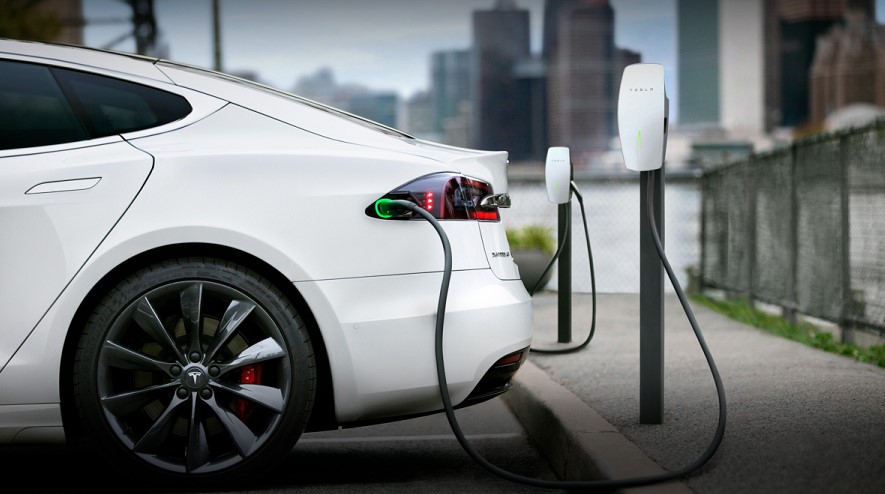
There's a special kind of thrill that comes with owning an electric vehicle, especially a Tesla. It’s the whisper-quiet acceleration, the instant torque, and the feeling that you're driving a piece of the future, today. But perhaps one of the most satisfying aspects is the ability to “fill up” right in your own garage. No more gas stations, just plug in and wake up to a fully charged ride. It's this simple act of powering up at home that often sparks the question: "How many amps is a Tesla charger, really?"
The beauty of EV charging, and why so many people embrace it, lies in its sheer convenience and efficiency. Imagine never having to detour for fuel again. Your daily commute, your weekend errands, even spontaneous road trips become smoother because your primary charging station is your own driveway. This provides incredible peace of mind and significantly cuts down on the time and money spent at the pump. The purpose it serves for everyday life is profound: it's about reclaiming your time, reducing your carbon footprint, and enjoying the peak performance of your electric vehicle without compromise.
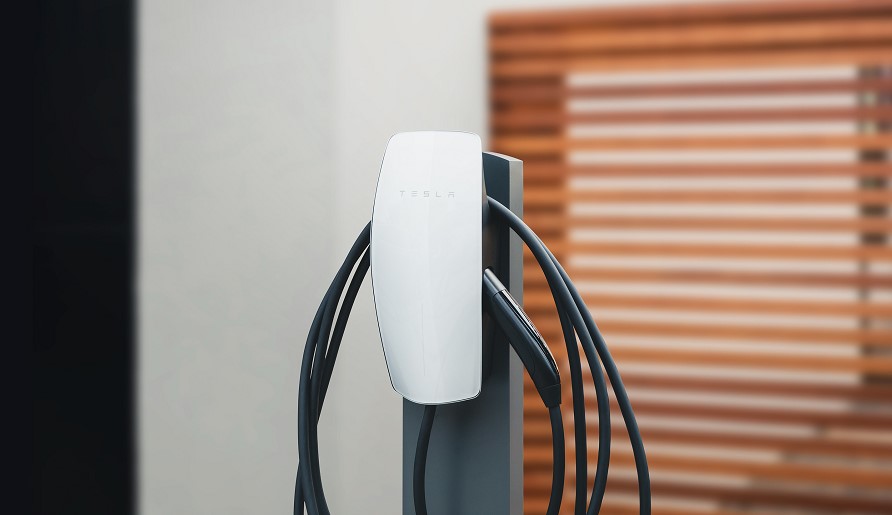
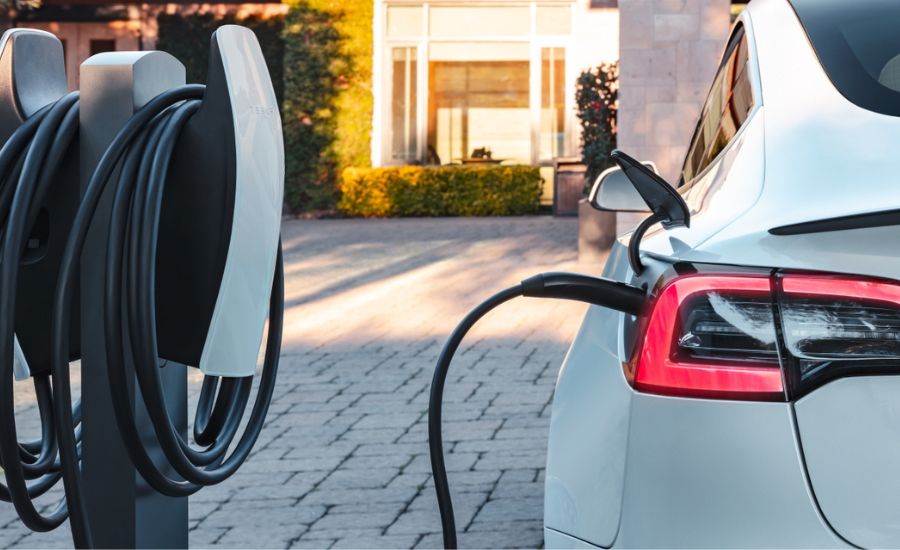
So, let's talk amps! When people ask about "how many amps a Tesla charger is," they're typically referring to the amount of electricity its charging equipment can deliver. The most common examples you'll encounter are varied. At home, you might start with a standard 120V wall outlet (like the one for your toaster), which delivers a modest 12 amps. This is perfect for overnight trickle charging, adding a few miles per hour. But for most Tesla owners, the real game-changer is a 240V connection. A NEMA 14-50 outlet, similar to a dryer plug, can deliver a robust 40 amps. This significantly boosts charging speed, often replenishing your battery fully overnight. Then there's the Tesla Wall Connector, a dedicated home charging station, which can deliver up to 48 amps (or even more on specific circuits), making it the fastest home charging option.
Must Read
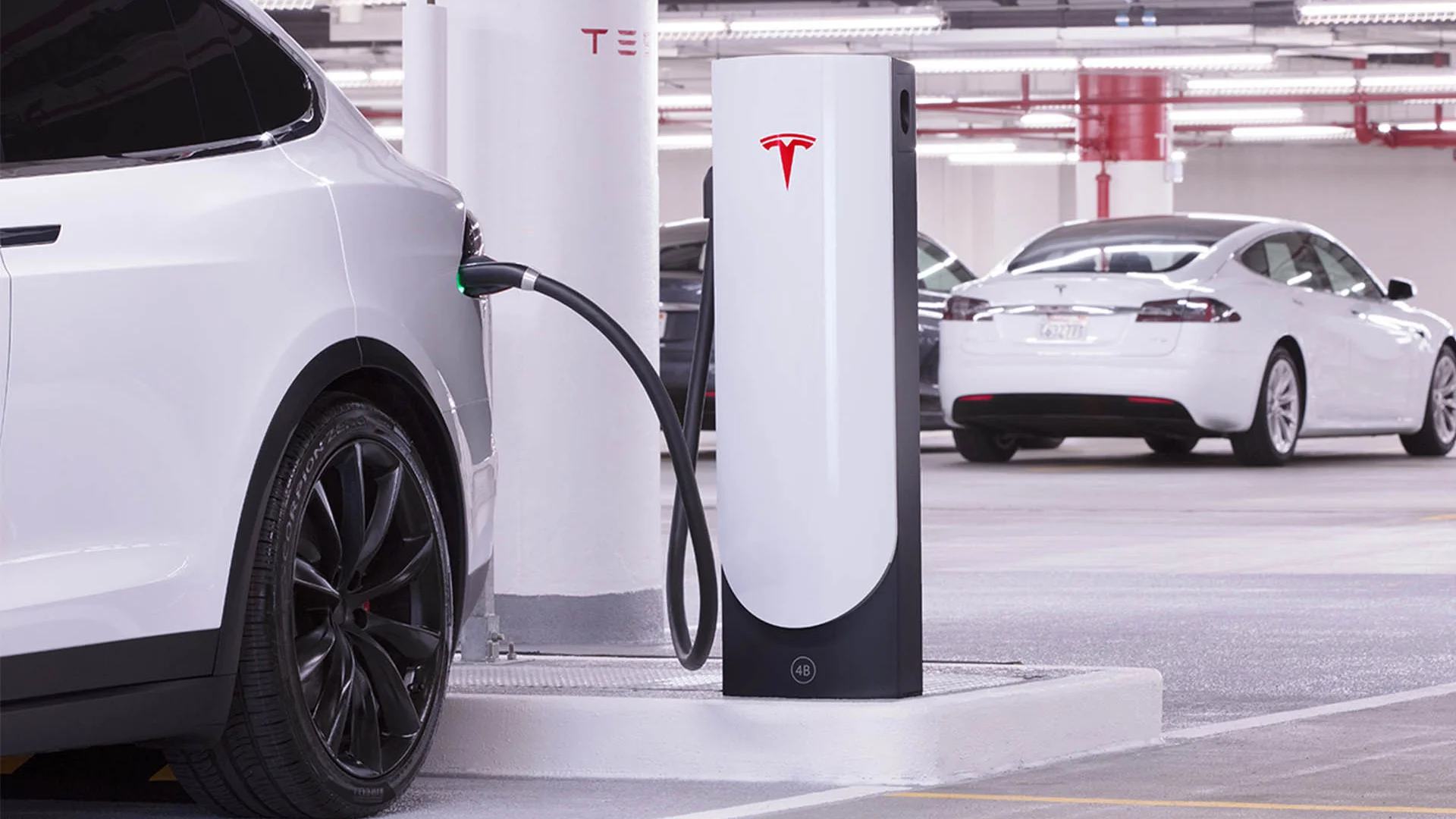
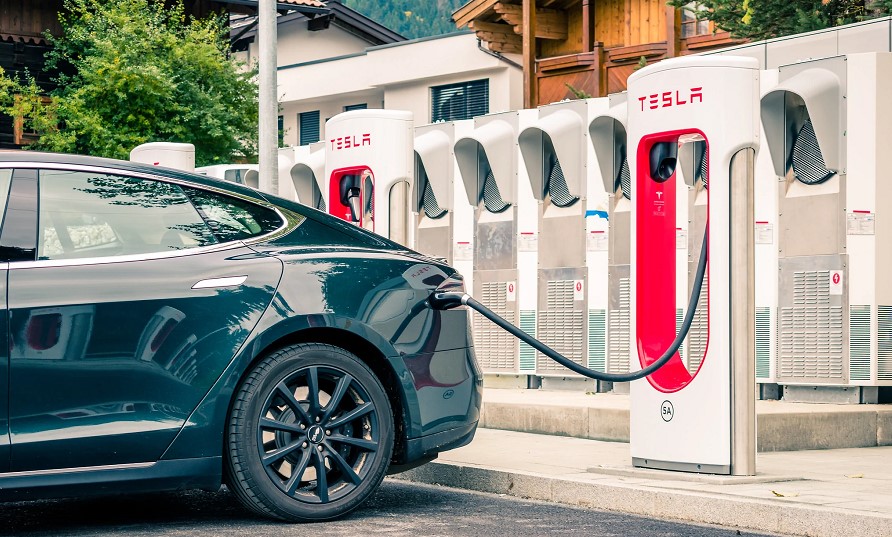
Beyond home, you'll find destination chargers (often at hotels or workplaces) that also utilize 240V, providing a healthy dose of amps. And, of course, the legendary Tesla Superchargers, which are DC fast chargers. While they don't operate on AC amps in the same way, they deliver incredibly high power (measured in kilowatts, up to 250 kW!), equating to hundreds of miles of range in just minutes.
To enjoy your Tesla charging experience even more effectively, here are some practical tips. First, if you're serious about home charging speed, invest in a 240V outlet or a Tesla Wall Connector. The difference in amps means you'll power up faster and more reliably. Second, embrace smart charging habits. Most Teslas allow you to schedule charging for off-peak electricity hours, saving you money. Third, when using Superchargers on a trip, remember that charging slows down significantly past 80%. It's often more efficient to charge to 70-80% and move on to the next Supercharger than to wait for a full 100%. Finally, always keep an eye on your Tesla's navigation system; it smartly plans charging stops for you, making range anxiety a thing of the past. Understanding the amps behind your "Tesla charger" empowers you to charge smarter, faster, and more conveniently, ensuring your electric adventures are always fully powered!