How Many Amps Is A Light Bulb
There's something uniquely enchanting about a light bulb. From the warm glow of an Edison bulb illuminating a cozy corner to the crisp, bright beam of a modern LED in a bustling office, these unassuming marvels are ubiquitous. They don't just banish darkness; they create atmosphere, enable productivity, and are often the unsung heroes of our daily lives. But beyond their visible radiance lies a fascinating, invisible world of electricity. Ever wondered, "How many amps is a light bulb?" It might sound like a purely technical question, but understanding this simple query can actually spark a surprising amount of creativity and practical insight!
For the uninitiated, "amps" (short for amperes) measure the flow rate of electric current, much like gallons per minute measure water flow. Knowing this isn't just for electricians; it's a superpower for artists, hobbyists, and casual learners alike. For artists, comprehending amp draw means you can design complex lighting installations without fear of overloading circuits, bringing dynamic light sculptures or interactive displays to life safely. Hobbyists gain the confidence to tinker with electronics, build custom lamps, or even set up smart home systems, knowing exactly what each component demands. And for the casual learner, it’s about demystifying your electricity bill, making informed choices when buying new appliances, and understanding the very fabric of modern living. It’s about empowerment through basic knowledge.
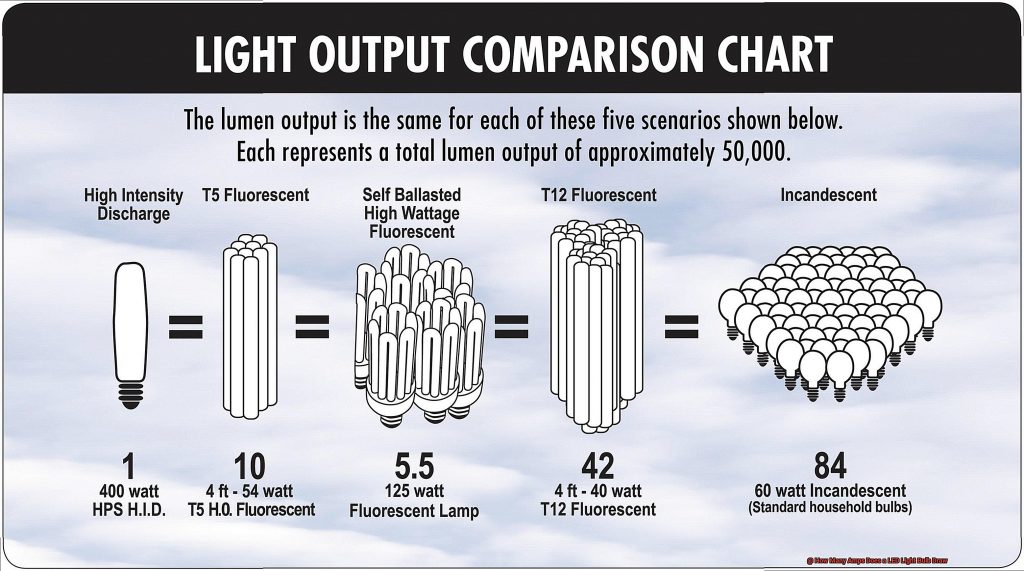
The beauty of this knowledge lies in its versatility. Consider the stark differences: a traditional 60-watt incandescent bulb, at 120 volts, draws about 0.5 amps. A modern 9-watt LED, offering similar brightness, might draw a mere 0.075 amps! This dramatic variation opens doors to various applications. Imagine designing a minimalist pendant lamp using ultra-low-amp LEDs, allowing multiple fixtures on a single circuit. Or perhaps you're creating a dazzling array of fairy lights for a garden party; understanding their cumulative amp draw ensures your outdoor extension cord won't trip. This knowledge helps you design for energy efficiency, safety, and creative freedom, whether you're building a tiny circuit board art piece or planning an entire room's ambiance.
Must Read
Ready to light up your own understanding at home? You don't need to be an electrical engineer! A great place to start is with low-voltage projects. Grab a simple battery, some wires, and a small LED. You can experiment with different resistors to see how they affect brightness and current flow. For the more curious, a basic digital multimeter (often affordable online) can measure amps, volts, and resistance. Always remember to prioritize safety first; when dealing with household mains electricity, always consult an adult or a professional. Many online tutorials and kits offer step-by-step guides for beginners to safely explore fundamental electrical concepts, turning abstract numbers into tangible understanding.
Ultimately, delving into something as seemingly mundane as "how many amps is a light bulb" is profoundly enjoyable because it transforms the invisible into the comprehensible. It’s the satisfaction of understanding a piece of the world that was once a mystery. It's the quiet thrill of knowing you can confidently pick out the right bulb for your fixture, troubleshoot a simple circuit, or even just appreciate the elegant engineering behind the light switch. It's about seeing the world with a little more clarity, a little more curiosity, and a lot more light. And that, truly, is illuminating fun.