
How Many Amps In A 1000 Watts

Ever look at a gadget, a toaster, or even a fancy hairdryer and see all those numbers – watts, volts, amps – and just feel your eyes glaze over? You're not alone! For many of us, it feels like a secret language only electricians speak. But what if I told you that understanding just a little bit about these terms, like "How Many Amps In A 1000 Watts," can actually make your life
Think of it like being able to read a simple map. You don't need to be a cartographer, but knowing north from south definitely helps you get where you're going without getting lost (or tripping a breaker!). So, let's decode one of the most common power questions in a super friendly, no-boring-textbook kind of way.
The Power Trio: Watts, Volts, and Amps!
Before we jump to the big 1000-watt question, let's meet our three main characters in the world of electricity. Don't worry, they're friendly!
Must Read
Watts (W): This is the total power an appliance
Volts (V): Imagine this as the "push" or the electrical pressure. In the US, most standard outlets offer 120 volts. In many other parts of the world, like Europe, it's typically 230 or 240 volts. It's the force that drives the electricity.
Amps (A): And here's the star of our show for today! Amps represent the
Still with me? Great! Because here's the magic trick that connects them all:
Watts = Volts x Amps!

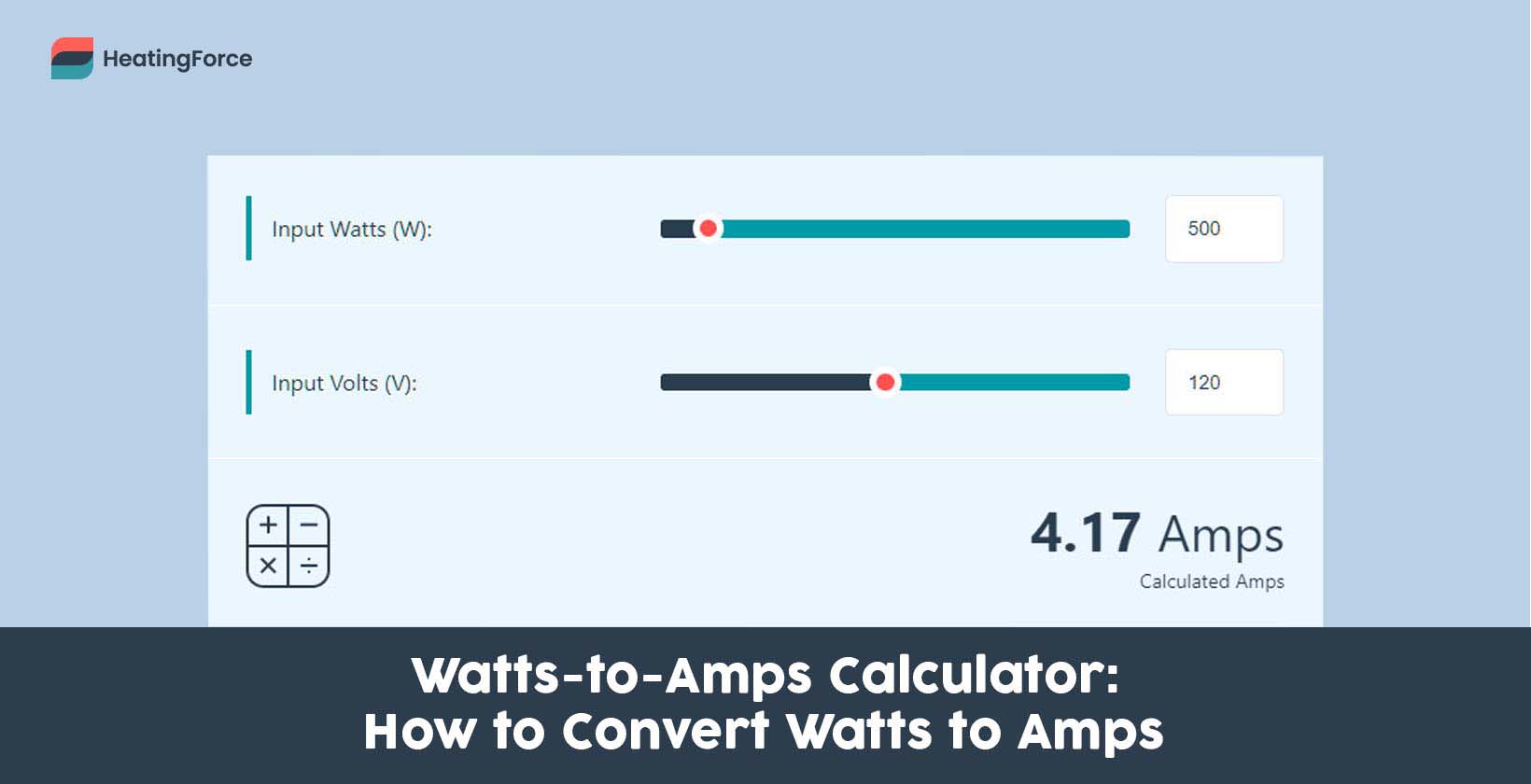
Yes, it's that simple! This little formula is your secret key to unlocking a world of power understanding. And if we want to find Amps, we just rearrange it a bit: Amps = Watts / Volts. See? You're already a power wizard!
So, How Many Amps In A 1000 Watts? (The Big Reveal!)
Now for the main event! Using our brand-new wizarding formula, let's figure out how many amps are flowing when you have 1000 watts of power. But here's the
Remember how we talked about different voltages around the world? This is where it really matters!
Scenario 1: In North America (and other 120V regions)
If you're in the US or Canada, your standard household outlets deliver around 120 Volts.
So, to find the amps for 1000 watts:

Amps = 1000 Watts / 120 Volts
Amps ≈ 8.33 Amps
So, a 1000-watt appliance plugged into a standard US outlet will draw about 8.33 amps. Not so scary, right?
Scenario 2: In Europe (and other 230V/240V regions)
Now, if you're in many parts of Europe, Asia, Africa, or Australia, your standard voltage is often 230 or 240 Volts.
Let's use 230 Volts for our calculation:
Amps = 1000 Watts / 230 Volts
Amps ≈ 4.35 Amps
See the difference? The
Why Does This Make Life More Fun (and Safer!)?
Okay, so you know the numbers. Big deal, right?
-
No More Tripped Breakers! Ever had the lights go out because you plugged in the toaster AND the coffee maker at the same time? Each electrical circuit in your home has a limit (often 15 or 20 amps). Knowing how many amps your hairdryer (e.g., 1800W / 120V = 15 Amps!) or toaster uses can help you avoid overloading a circuit.
Presto! No more frustrating power outages! -
Camping and RV Adventures! If you’re using a generator or relying on a limited shore power connection, knowing your amps is king. You can calculate how many appliances you can run simultaneously without blowing a fuse or taxing your power source.
Keep the campfire stories going and the fridge cold! 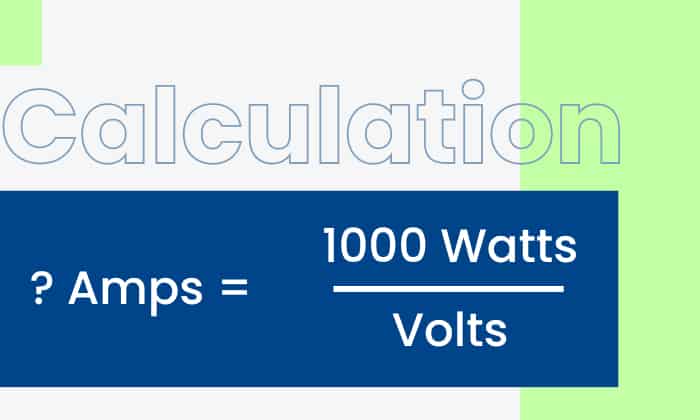
How Many Amps is 1000 Watts? - Answered -
Smart Gadget Shopping: Comparing appliances isn't just about watts anymore. You can now understand why some devices need thicker cords or dedicated circuits. It empowers you to ask smarter questions and make better choices.
-
DIY Confidence: Thinking of running an extension cord for your power tools? Now you know to match the cord's amp rating to your tool's needs.
Safer projects, happier you! -
Travel Like a Pro: That's why your travel adapter for your hair straightener sometimes includes a voltage converter! Now you understand the 'why' behind it – to ensure your 1000W appliance still works without a hitch, regardless of the local voltage, and without drawing too many amps.
It's not about becoming an electrician overnight. It's about gaining a little bit of
Go Forth and Power Up Your Knowledge!
You’ve just taken a fantastic first step into understanding the basics of electricity! The world of watts, volts, and amps doesn’t have to be intimidating. It’s actually quite logical and, as you've seen, incredibly practical.
So, the next time you look at an appliance, take a peek at those numbers. With your new knowledge, you'll see them not as confusing jargon, but as valuable insights. Who knows what other amazing things you'll discover when you start unraveling the mysteries of everyday life? Keep that curiosity sparked, because learning truly powers up your world!