How Many Amps For 5000 Btu Ac
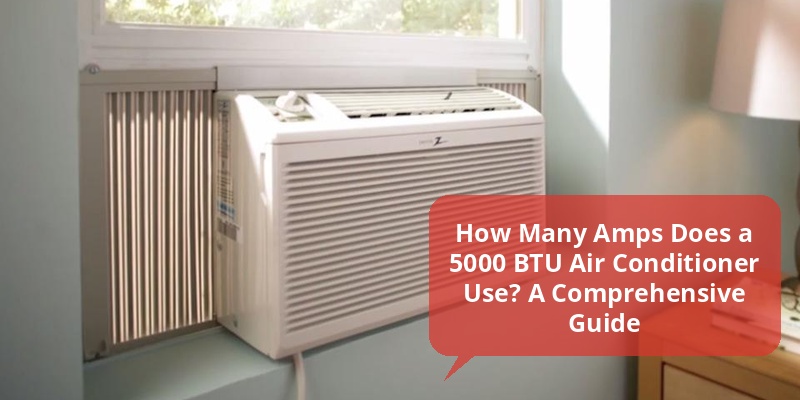
Ever felt that glorious chill of an AC unit kicking in on a sweltering day? It's pure magic! The hum of a portable or window air conditioner often signals the sweet relief of escaping the heat. But beyond the immediate comfort, there’s a fascinating, practical side to understanding how these cool-makers work. One question that often pops up for homeowners, DIY enthusiasts, or anyone just trying to keep their cool without tripping a breaker is: "How many amps does my 5000 BTU AC actually need?" It might sound a bit technical, but trust us, knowing this little detail is incredibly useful and can save you a lot of hassle!
Why is this topic so important? Well, electricity powers our modern lives, and understanding how much "juice" an appliance draws is crucial for safety and efficiency. Amps, short for amperes, measure the electrical current flowing through a circuit. Think of electricity like water flowing through a pipe; voltage is the pressure, and amps are the flow rate. If too many appliances are trying to draw too much water through a pipe that’s too small, you get an overflow (or in electrical terms, a tripped circuit breaker, or worse, a potential fire hazard). Knowing your AC's amperage helps you ensure you’re plugging it into an outlet and circuit that can safely handle the load. It's about empowering you to make smart, safe decisions for your home comfort.
So, let's talk about the star of our show: a 5000 BTU AC unit. BTU stands for British Thermal Unit, and it's simply a measure of an air conditioner's cooling power. A 5000 BTU unit is considered quite small, perfect for cooling a single, modest room like a small bedroom, office, or dorm room, typically around 100-200 square feet. Because it's a smaller unit, it generally doesn't demand a huge amount of power, making it a popular choice for quick, targeted cooling.
Must Read
Now for the main event! While exact numbers can vary slightly based on the specific model, its energy efficiency rating (SEER), and age, a typical 5000 BTU window or portable AC unit will generally draw somewhere in the range of 4 to 6 amps when it's running smoothly. It usually operates on a standard 115-volt household circuit. It's important to note that the startup current (the initial surge of electricity when the compressor kicks on) can be higher, sometimes momentarily doubling the running amps. This brief spike is normal but is why sometimes an AC unit might trip a breaker right when it starts.
What does knowing this do for you? Plenty! First, it gives you peace of mind that your little AC isn't going to overload your home's electrical system. Most standard household circuits are rated for 15 or 20 amps, meaning a 5000 BTU AC unit typically won't pose a problem on its own. However, if you have it plugged into an outlet sharing a circuit with a microwave, a hair dryer, or a toaster – big power hogs – you might run into trouble. It also helps you choose the correct extension cord if one is absolutely necessary (always opt for a heavy-duty, properly rated cord, and check your AC's manual first!). In short, understanding the amperage allows you to maximize your cool factor safely and efficiently, ensuring your home stays a delightful oasis even when the mercury rises! Stay cool, stay informed!