
How Many Amps Does The Average Refrigerator Pull
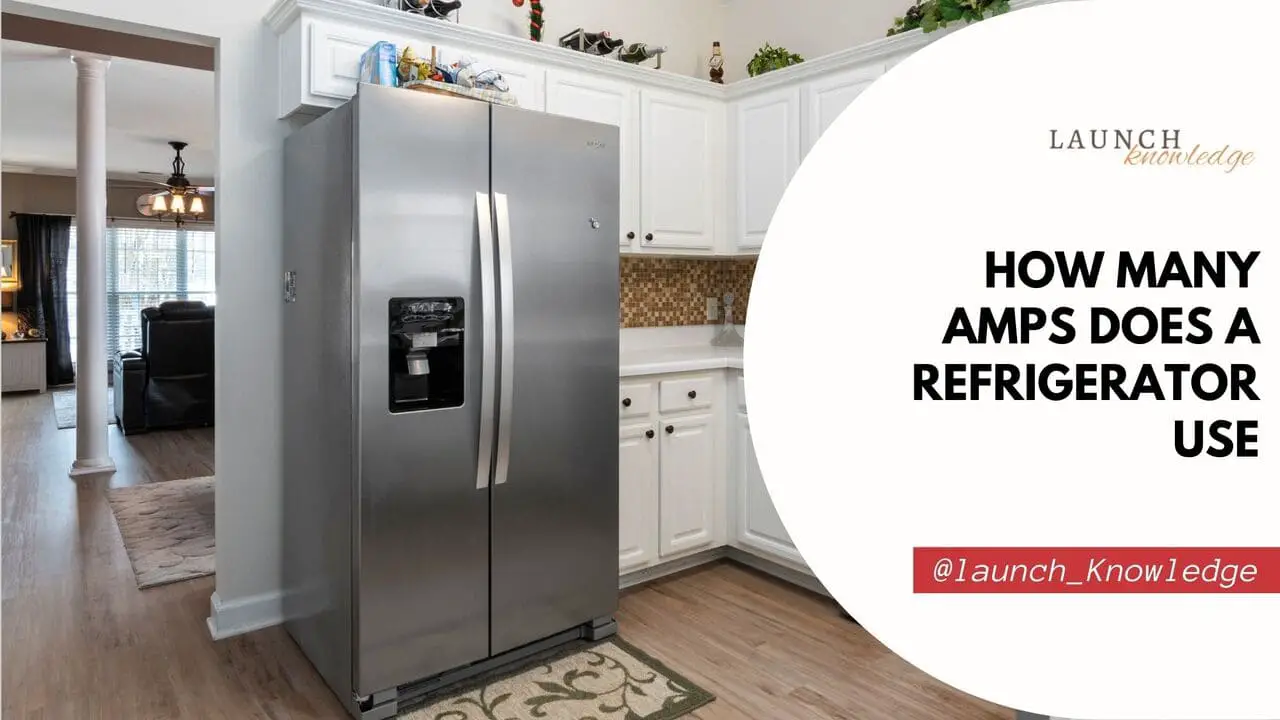
Ever stop to think about the unsung hero humming away in your kitchen, keeping your milk cold and your leftovers safe? Yeah, I'm talking about your refrigerator. But have you ever wondered how much juice that metal box guzzles up?
Let's dive into the surprisingly captivating world of refrigerator amps!
The Amp-le Truth: A Fridge's Electrical Appetite
So, how many amps does the average refrigerator actually pull? Well, buckle up, because the answer isn't a neat and tidy number. It's more like a range, a fluctuating dance of electrical currents depending on a few key factors.
Must Read
The Starting Surge: The Fridge's Morning Coffee
Think of your refrigerator like a sleepy dragon. When it first wakes up – or rather, when the compressor kicks in – it needs a big jolt of energy. This is called the starting amperage, and it's significantly higher than what it needs to keep running smoothly.
That initial surge can be anywhere from 4 to 12 amps, sometimes even more for older models. It’s like the fridge is saying, "Hold on, I need to get my gears turning!"
Don't be alarmed if your lights flicker momentarily when your fridge starts; that's just the dragon stretching its electrical legs.
Running Smoothly: The Fridge on Cruise Control
Once the refrigerator is humming along, keeping your pickles perfectly chilled, it uses much less power. This is the running amperage, and it’s a much more modest number.
Generally, a modern, energy-efficient refrigerator will draw somewhere between 1 to 4 amps while running. That's not bad, considering all the hard work it's doing!
Think of it as the difference between sprinting and jogging. The fridge can’t sprint all day.
Factors That Fridge-fluence Amp Usage
Okay, so we've got a general idea of the amp range, but what makes one fridge thirstier than another? Several factors play a role in determining how much electricity your refrigerator consumes.
Age is Just a Number (Except When It's Not)
Older refrigerators are notorious energy hogs. They lack the energy-efficient technology of newer models, meaning they need to work harder to maintain the same temperature.
An ancient fridge can easily pull twice the amps of its sleek, modern counterpart. It's like comparing a gas-guzzling vintage car to a hybrid – both get you there, but one leaves a much bigger carbon (and electrical) footprint.
If your refrigerator is old enough to remember disco, it might be time for an upgrade.
Size Matters (In Refrigerators, At Least)
A huge, side-by-side refrigerator with all the bells and whistles is going to require more power than a compact mini-fridge perfect for a dorm room. More space to cool equals more energy needed to do the cooling.
Think of it like heating a small room versus heating a mansion. The bigger the space, the more energy you need to keep it comfortable.
So, if you're not filling that giant fridge to the brim, you might be wasting precious energy (and money!).
Features, Features, Features!
Those fancy features like ice makers, water dispensers, and automatic defrost can also impact your refrigerator's amp usage. These extras add to the workload, requiring more energy to operate.
An ice maker, in particular, can be a significant energy drain. All that freezing water takes a considerable amount of power.

Consider whether you really need all those bells and whistles. Sometimes, simplicity is the key to energy efficiency.
The "Full" Story: How Much Food You Store
Surprisingly, a full refrigerator is actually more energy-efficient than an empty one! The food inside helps to maintain a stable temperature, reducing the workload on the compressor.
Think of the food as insulation, helping to keep the cold air in. A fully stocked fridge is a happy, energy-efficient fridge.
So, go ahead and fill 'er up! Just don't forget what's lurking in the back.
The Great Refrigerator Reset: Tips for Amp-lifying Efficiency
Want to keep your refrigerator's amp usage in check and save some money on your energy bill? Here are a few simple tips to keep your fridge running smoothly and efficiently.
Location, Location, Location!
Don't place your refrigerator near a heat source, like an oven or direct sunlight. This forces it to work harder to maintain its temperature, increasing its energy consumption.
Give your fridge some breathing room. Make sure there's adequate ventilation around it to allow for proper heat dissipation.
A cool, well-ventilated spot is a happy spot for your refrigerator.

Seal the Deal: Check Your Door Seals
Make sure the door seals are airtight. If they're cracked or damaged, cold air can escape, forcing the refrigerator to work harder.
You can easily test the seals by closing the door on a piece of paper. If you can pull the paper out easily, the seal isn't tight enough.
Replacing worn-out seals is a simple and inexpensive way to improve your refrigerator's efficiency.
Defrosting Duty: Keep It Clean
If you have a manual defrost refrigerator, make sure to defrost it regularly. Frost buildup can significantly reduce its efficiency.
Excessive frost acts as an insulator, preventing the refrigerator from cooling properly. This forces the compressor to work harder and consume more energy.
A clean, frost-free refrigerator is a happy, energy-efficient refrigerator.
Temperature Tango: Find the Sweet Spot
Set your refrigerator to the optimal temperature. A temperature that's too cold wastes energy, while a temperature that's too warm can spoil your food.
The ideal temperature for your refrigerator is between 35°F and 38°F (1.7°C and 3.3°C). For your freezer, it should be around 0°F (-18°C).

A thermometer is your friend! Use it to ensure your refrigerator is operating at the right temperature.
So, How Many Amps Does Your Fridge Really Pull?
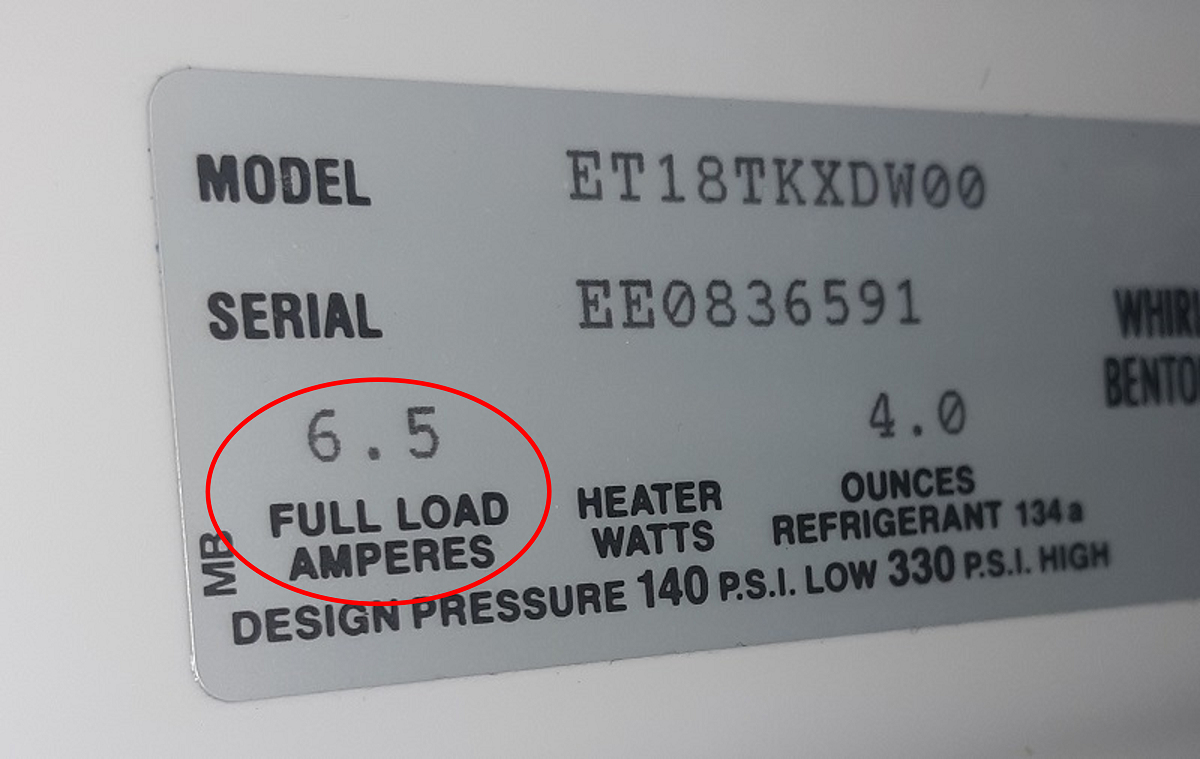
The truth is, the only way to know for sure how many amps your refrigerator is pulling is to use a kill-a-watt meter or consult the appliance's specifications. These handy devices measure the actual power consumption of your appliances.
They're relatively inexpensive and easy to use. You simply plug the meter into the outlet and then plug your refrigerator into the meter.
This will give you a precise reading of the amps your refrigerator is drawing.
The Fridge: More Than Just a Cold Box
So, there you have it – a deep dive into the fascinating world of refrigerator amps! Hopefully, you now have a better understanding of how much power your trusty food-chilling companion consumes.
But remember, your refrigerator is more than just a metal box that keeps your food cold. It's a vital part of your home, a silent guardian of your leftovers, and a constant source of refreshing beverages.
So, next time you open your refrigerator, take a moment to appreciate its hard work and dedication. And maybe, just maybe, give it a little pat on the side. It deserves it!
And who knows, maybe by understanding its electrical needs, you can help it live a long and energy-efficient life, keeping your food fresh and your electricity bill low for years to come. Cheers to that!