
How Many Amps Does A Washer Pull

Hey there, ever find yourself staring at an appliance, humming away, and just wonder what kind of hidden energy party is happening inside? We all flip a switch, press a button, and poof – magic! Our clothes get clean, our food gets hot, our rooms get lit. But have you ever paused to think about the invisible force making it all possible?
Today, let's pull back the curtain on one of our household workhorses: the mighty washing machine. Specifically, we're diving into a question that might sound a bit techy but is actually pretty cool and super relevant to your daily life: how many amps does a washer pull?
What Even Are Amps, Anyway? (The Super Simple Version)
Okay, before we get to the washer, let's tackle "amps." Think of electricity like water flowing through a pipe. The amps are basically the volume or amount of water flowing at any given moment. It’s the "oomph" or "strength" of the electrical current.
Must Read
So, if voltage is the water pressure pushing the water, and watts are the total power (like how much work the water can do), then amps are just how much water is actually flowing to get the job done. Easy, right? It's all about making sure enough "oomph" gets to your appliances without overwhelming the system.
Why Bother Asking About Washers?
"Why specifically a washing machine?" you might ask. Good question! Unlike, say, a phone charger (which sips power gently, like a tiny bird at a water fountain), a washing machine is a heavy-duty player. It’s got motors, pumps, and sometimes even a heating element. All these different parts doing different jobs mean they demand varying amounts of that electrical "oomph."

Understanding this isn't just for electricians; it helps you grasp why a circuit breaker might trip (that annoying click in the dark!), why you shouldn't plug every single appliance into one outlet, and generally how your home's electrical system hums along safely.
The Washer's Secret Life: A Day in the Life of Amps
Your washing machine isn't just a big drum. It's a symphony of mechanical action, each movement requiring a different amount of power. Think about it:
- Filling Up: When your washer first gurgles to life, pulling water in, it's mostly just powering a small solenoid valve. Not a lot of amp drama here. Sipping power.
- Agitating/Tumbling: This is where the main motor kicks in to swirl, spin, or tumble your clothes. This takes a fair bit of muscle, so the amp draw goes up. Imagine the effort of stirring a giant pot of thick stew!
- Draining: Another pump, another moderate power draw. Similar to filling, but moving water out.
- Spin Cycle: The motor works overtime to spin that water out of your clothes at dizzying speeds. This is another moment of higher amp demand.
But here's the kicker, the true amp superstar (or super-drinker, depending on how you look at it):

The Hot Water Heater (If Applicable!)
If your washing machine heats its own water internally (rather than drawing pre-heated water from your home's water heater), then bingo! You've just found the biggest amp hog of the bunch. Heating water requires a serious amount of electrical energy, often drawing way more amps than the motor itself. It's like turning on a toaster or a hairdryer – those heating elements really drink up the juice.
So, What's the Actual Number?
Alright, drumroll please! For a typical residential washing machine, the amp draw can vary quite a bit, but generally, you're looking at something in the range of 5 to 20 amps.

Most modern washing machines, especially high-efficiency models, will run somewhere between 5 and 10 amps during their normal cycles (agitating, spinning, draining). However, if your washer has an internal water heater, that number can jump significantly, potentially pushing it towards the 15-20 amp mark, or even a bit higher, especially when that heating element is actively warming the water.
For context, a standard household circuit is often rated for either 15 amps or 20 amps. This is why if you have a powerful washer (especially one heating water) running on the same circuit as, say, a microwave or a hairdryer, you might just find yourself in the dark for a moment!
Why This Matters in Your World
Understanding these numbers helps us be smart about our home's electricity. It's not just trivia!
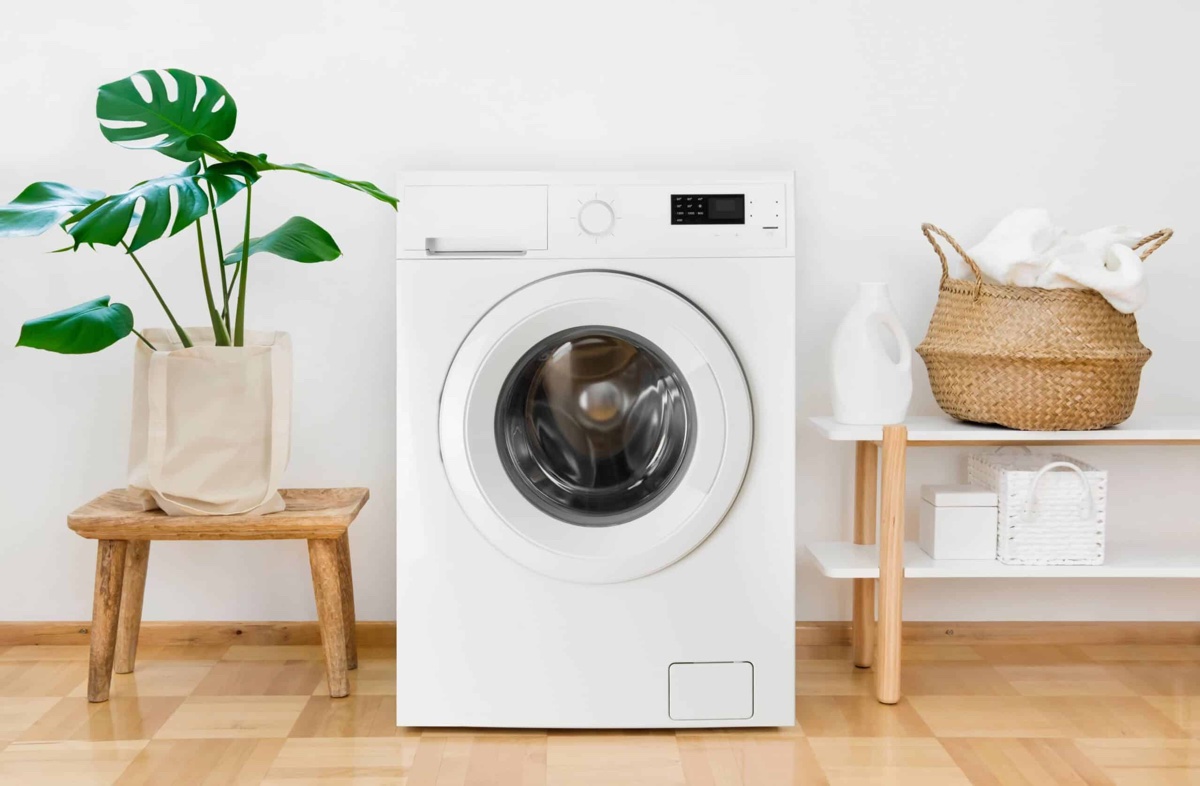
First, it's about safety. Circuit breakers exist for a reason – to prevent circuits from being overloaded and causing electrical fires. Knowing that your washer pulls significant power reminds you not to plug everything and the kitchen sink into one outlet strip.
Second, it's about convenience. Nobody likes a tripped breaker in the middle of a wash cycle. If you know your washer is a heavy amp-puller, you might avoid running it simultaneously with other high-power appliances on the same circuit. Think of it like a highway: if too many cars (amps) try to get on at once, traffic backs up (the breaker trips!).
Finally, it's just plain interesting! It gives you a deeper appreciation for the complex engineering that goes into these everyday devices. The next time your clothes are spinning clean, you'll know there's a mini electrical powerhouse at work, carefully calibrated to get the job done without tripping your home's unseen guardian – the circuit breaker. Pretty neat, huh?