
How Many Amps Does A House Use

The Great Mystery of Household Amps (That Nobody Really Cares About)
Have you ever paused mid-sandwich, looked around your humming home, and wondered, "Just how many amps is this place gobbling up right now?" Probably not. And honestly, bless your heart for focusing on more important things, like whether that sandwich needs more mustard.
Most of us live our lives blissfully unaware of the electrical currents dancing behind our walls. We flick a switch, and light appears. We press a button, and coffee brews. It’s pure magic, powered by… well, stuff.
That "stuff" includes amps. Amps, or amperes, are essentially the measure of electrical current. Think of electricity flowing through wires like water through a pipe. Volts are the pressure, and amps are the volume or flow rate.
Must Read
But explaining it further feels a bit like trying to teach a cat quantum physics. It’s interesting in theory, but entirely irrelevant to their daily nap schedule. And that’s perfectly okay! This brings us to our delightfully unpopular, yet undeniably true, opinion.
"How many amps does a house use?" is perhaps the least asked question in the history of homeownership.
And it's a beautiful thing. It means our electrical systems are generally doing their job. They're quietly working away, powering our lives without demanding constant attention or complex calculations. Imagine if you had to keep a running tally!
Picture this: every time you plug in your phone charger, you mentally add 0.5 amps. Brewing coffee? Add a chunky 10 amps! Running the microwave for a quick snack? Suddenly, you're hitting another 15 amps. It would be an exhausting mental marathon.
Your trusty toaster, for example, is quite the little amp enthusiast. It doesn't just warm your bread; it demands a significant jolt to transform mere slices into golden perfection. Then there's your hair dryer, another short-burst powerhouse, roaring to life with a healthy appetite for amps.
Consider your morning routine. The electric kettle boils, the coffee maker drips, the TV murmurs the news. Each of these appliances, small as they might seem, contributes to the grand amp total. They all draw a little bit of that electrical "oomph" to perform their daily duties.
The Silent Amp-Guzzlers (and the Tiny Sippers)
Some items in your home are like tiny amp-sipping fairies. Your LED light bulbs, for instance, are marvels of efficiency. They light up your world with barely a whisper of electrical demand. Your phone charger, too, sips rather than guzzles.
Then there are the amp-guzzling dragons. We're talking about the big beasts of the household. Your electric oven, for instance, doesn't just get warm; it roars with electrical power. Ditto for your electric clothes dryer, tumbling away with serious amp ambition.
And let's not forget the air conditioner. On a scorching summer day, that glorious cooling breeze comes at an amp-heavy price. It's like a grand conductor orchestrating a symphony of electrical demand, keeping your home comfortable. Each click and hum contributes to the overall electrical flow.

So, a house doesn't use a single, fixed number of amps. It's a dynamic, ever-changing dance. It's a vibrant electrical ballet, with different appliances taking the stage and bowing out as needed. The exact number is a fleeting moment in time, influenced by every single plug and switch.
Your house's amp usage is like a living, breathing entity, constantly adjusting its appetite.
When you're out, it might be just a trickle, keeping the fridge cold and the Wi-Fi router dreaming. When everyone's home, cooking, gaming, and doing laundry, it's a full-on electrical feast. The total amperage can fluctuate wildly from minute to minute, hour to hour.
But here's the kicker: we don't worry about it. We trust the system. We rely on the brilliant minds who designed our electrical panels and the electricians who installed them. They’ve made sure our main breaker can handle the party.
The Breaker Box: Our Unsung Hero
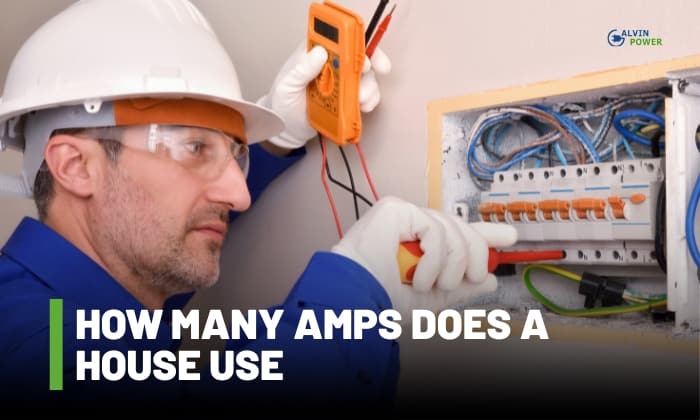
That mysterious metal box, usually hidden in a basement or garage, is the true guardian of your home's amps. It's called a breaker box or electrical panel. Inside, little switches stand sentinel, each protecting a specific circuit.

These breakers are designed to trip, or shut off, if a particular circuit tries to pull too many amps. It's like a bouncer at a club, politely (or not-so-politely) shutting down a circuit that's getting too rowdy. This prevents overheating wires and potential electrical fires.
When a breaker trips, that's often the first (and only) time most of us think about amps. Suddenly, a section of the house goes dark. "Oh," we think, "I guess the toaster and the hair dryer were a bit much." It’s a gentle reminder that even our robust systems have limits.
We then saunter over, flip the switch back on (after unplugging the offending culprits, hopefully!), and life resumes. It's an almost magical reset button for our electrical excesses. This entire process happens without us ever needing to calculate a single amp.
The Glorious Ignorance (and Why We Love It)
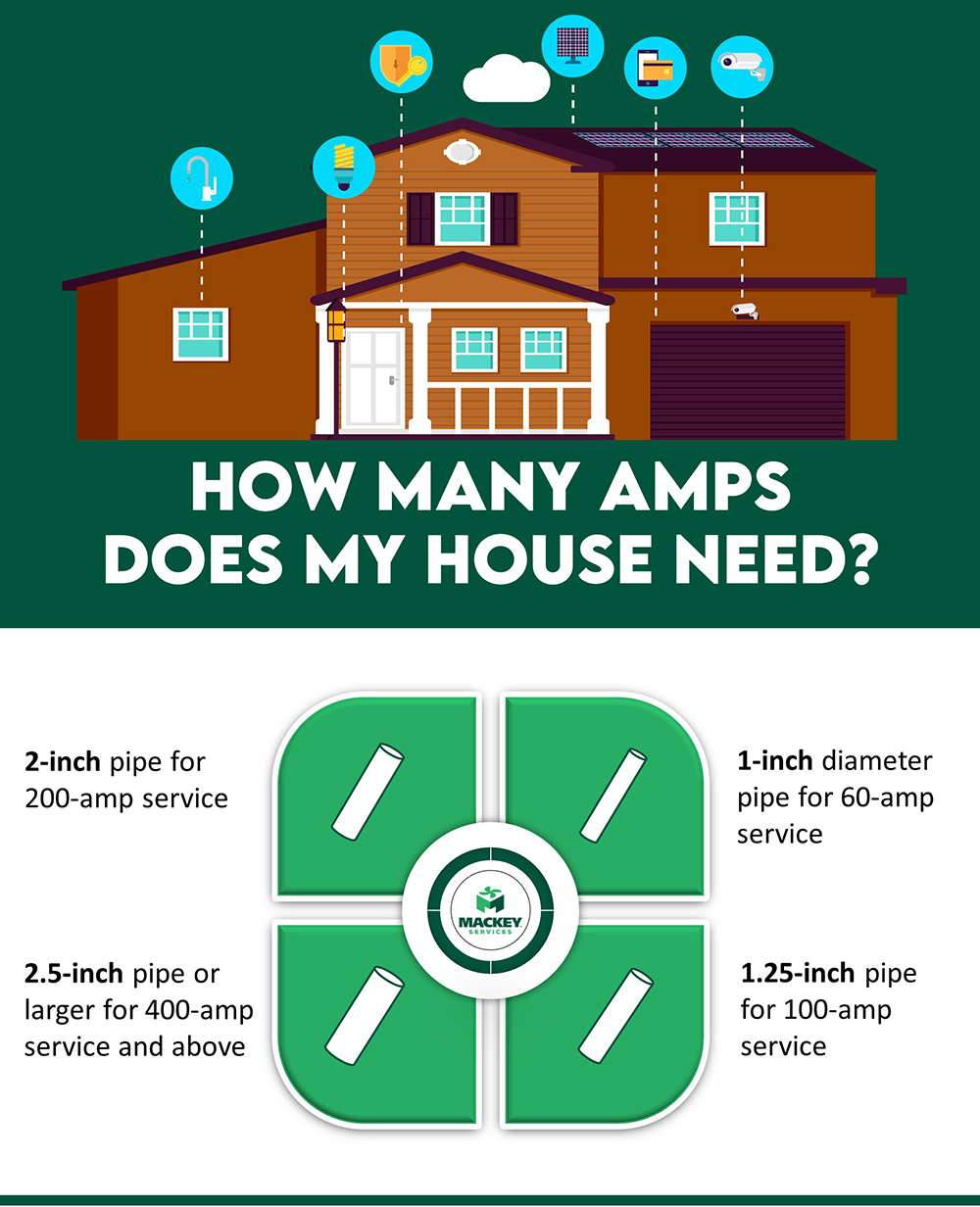
So, how many amps does a house use? It varies wildly, from maybe 5-10 amps when largely dormant to 50, 100, or even 200 amps during peak usage moments in larger homes. But honestly, that number is for the pros.
For the rest of us, it's enough to know that the lights come on, the fridge hums, and our gadgets charge. We happily outsource the amp-counting to the clever circuit breakers and the general design of our homes. It frees us up for more important tasks, like perfecting that sandwich or deciding what to binge-watch next.
It’s a testament to modern convenience that we rarely have to ponder such technicalities. Our homes are designed to just work. This blissful ignorance is a feature, not a bug, of contemporary living.
Next time you plug something in, give a silent nod to the unseen forces of electricity. Think of the amps, flowing diligently, ensuring your comfort and convenience. Then, quickly forget about them and go back to enjoying your beautifully lit, perfectly powered life.
Because, let's face it, knowing the exact amp count isn't going to make your coffee taste better or your TV show more exciting. It’s a number best left to the experts and the silent sentinels in the breaker box. Embrace the mystery; enjoy the power!