
How Many Amps Does A Fridge Use
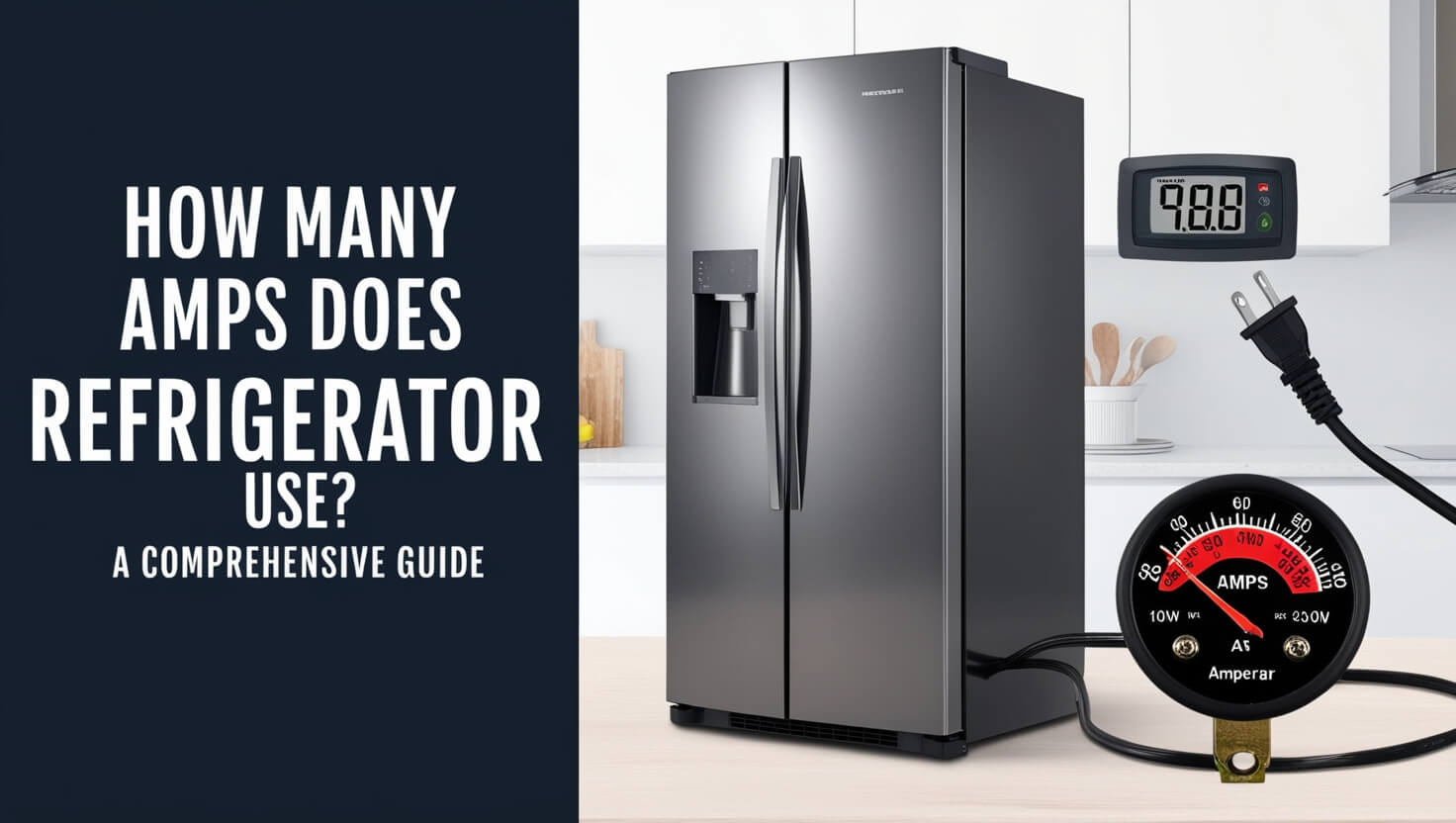
Hey there, fellow kitchen adventurer! Ever stood in front of your fridge, maybe pondering life's big questions like "Is there any ice cream left?" or "Why does my bread always go moldy so fast?" Well, today we're diving into a slightly less existential but equally cool question: How many amps does a fridge use?
Sounds super technical, right? Don't sweat it! We're going to break it down into bite-sized, easy-to-digest pieces, just like that leftover pizza chilling in your crisper. Think of me as your friendly, slightly nerdy fridge whisperer.
So, What's the Big Deal with Amps, Anyway?
Imagine amps as the "flow" of electricity. The higher the amps, the more juice is flowing. Knowing your fridge's amp draw isn't just for bragging rights at your next dinner party (though, go for it!). It's actually super handy for a few reasons:
Must Read
- Figuring out why your circuit breaker sometimes trips when you plug in too many things.
- Sizing a generator if you're planning for a power outage (because nobody wants warm ice cream!).
- Just generally understanding your home's energy consumption.
The Two Faces of Fridge Amperage: Running vs. Starting
This is where it gets a tiny bit interesting, like discovering your mild-mannered uncle used to be a rock star. A fridge actually has two main amp draws:
1. Running Amps (The Marathon Runner)
This is the amount of electricity your fridge uses most of the time, once its compressor (the noisy bit that makes the cold happen) is happily humming along. Think of it as a steady, easy pace.

For most modern, energy-efficient fridges, you're looking at a running amp draw of somewhere between 1 to 3 Amps. Yep, that's it! Not a huge power hog when it's just maintaining temperature.
Older models, or really big, fancy ones with all the bells and whistles, might lean a bit higher, maybe 3-5 Amps. But generally, they're pretty chill (pun intended!) once they get going.
2. Starting Amps (The Olympic Sprinter!)
Now, this is the exciting part! When your fridge's compressor first kicks on after being off for a while, it needs a momentary burst of extra power to get itself going. This is called the starting amperage, or sometimes "surge" or "inrush" amps.

And guess what? This burst can be significantly higher than the running amps! We're talking anywhere from 8 to 15 Amps, and sometimes even more for older, less efficient beasts. It's like a tiny electrical sneeze!
This surge lasts only for a second or two, but it's crucial to remember, especially if you're trying to power your fridge with a generator or an inverter in an RV. You need enough oomph to handle that initial kick!
What Affects a Fridge's Amp Usage?
Not all fridges are created equal, just like not all snacks are created equal (though they all end up in the fridge, eventually). A few things can impact how many amps your particular cold box devours:
- Age: Older fridges are often less efficient and can use more amps. Bless their hearts, they tried!
- Size: A bigger fridge generally needs more power to keep all that space cold. More space for snacks, more power needed!
- Efficiency Rating: Look for that Energy Star label! It means your fridge is designed to be a power sipper, not a guzzler.
- Ambient Temperature: If your fridge is in a super hot garage, it has to work harder (and thus use more amps) to stay cool.
- How Often You Open It: Every time you peek inside, warm air rushes in, and the fridge has to work harder to cool down again. So, maybe try to decide what you want before opening the door, eh?
"So, How Do I Find MY Fridge's Amps?"
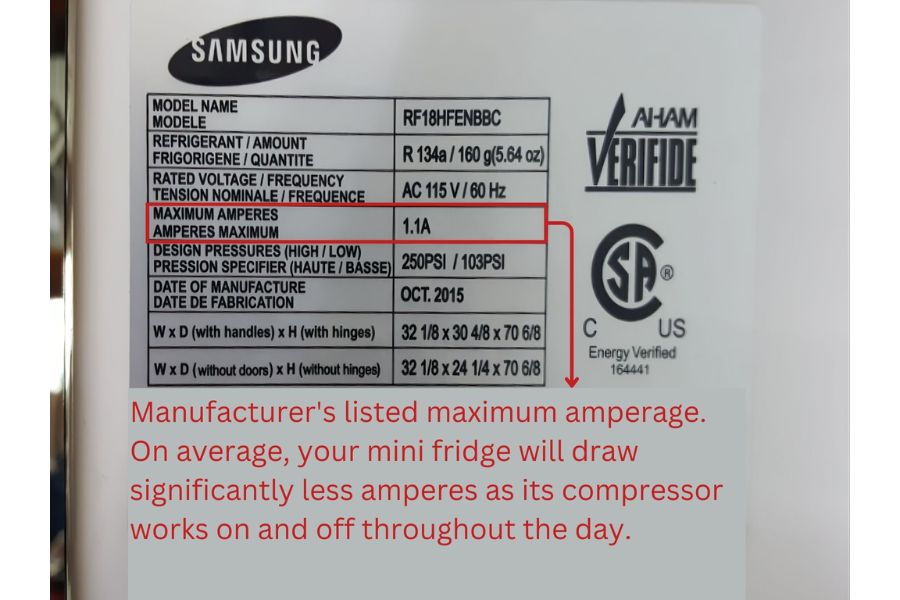
Excellent question, detective! Most of the time, you don't even need a fancy multimeter. Just look for the sticker!
It's usually inside the fridge compartment (often on a side wall or near the top), or sometimes on the back. It'll list the model number and, importantly, the electrical requirements. Look for "Amps" or "A". If it only gives you "Watts" (W), don't panic! You can do a quick calculation: Amps = Watts / Volts. Most home outlets are 120V.
So, if your sticker says 1200 Watts, and you know it's 120 Volts, then 1200W / 120V = 10 Amps (this would likely be a max or surge rating, or perhaps a very large/old fridge).
Putting It All Together, Like a Perfect Sandwich!
Understanding your fridge's amp draw isn't about becoming an electrician overnight. It's about being informed. It helps you avoid tripping breakers, ensures your backup generator can handle the load, and maybe even encourages you to upgrade to a more energy-efficient model. Knowing these numbers means you're being smart about your home's power consumption.
Your fridge is a silent hero, tirelessly keeping your food fresh, your drinks cold, and your ice cream perfectly scoopable. It's a cornerstone of modern life, and now you know a little more about the electrical magic that makes it all happen!
So next time you reach for a snack, give a little nod of appreciation to your fridge. You're now officially more knowledgeable about its inner electrical workings than most people. Go forth, embrace your newfound power wisdom, and may your fridge always be full and your circuits always intact!