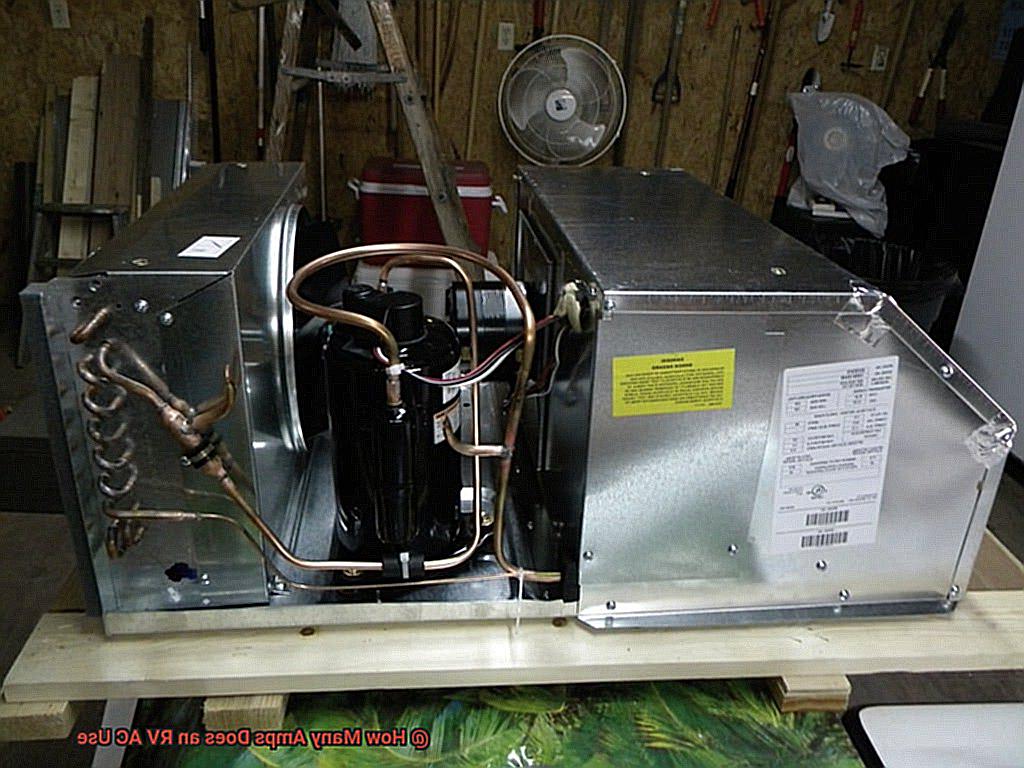
How Many Amps Does A Ac Unit Use

Ah, the sweet symphony of an air conditioner kicking in on a sweltering summer day. That glorious blast of cool air is truly one of life's simple pleasures, isn't it? But as we bask in its icy embrace, a little voice in the back of our minds might start to wonder: "How much juice is this thing actually sucking down?" We're talking about amps, my friends, and understanding them can be surprisingly insightful for your wallet and your home's well-being.
It's not just about the electricity bill (though that's a big one!). Knowing your AC unit's amperage draw helps you understand your home's electrical capacity, prevent tripped breakers, and even spot inefficiencies. So, let's dive into the fascinating world of electrical current without making your head spin like a ceiling fan on high!
So, What's an Amp, Anyway?
Think of electricity like water flowing through a pipe. The voltage is the water pressure, pushing the water along. The amperage (or amps) is the volume or rate of flow of that water. And the wattage? That's the total power, like how much water you get out of the tap per minute. For AC units, amps tell you how much electrical current the unit is drawing at any given moment. Simple, right?
Must Read
The Great Amp Mystery: It's Not a Single Number!
If you were hoping for a neat, one-size-fits-all answer like "an AC unit uses exactly 10 amps," prepare for a slight plot twist. The truth is, the amperage an AC unit uses can vary quite a bit. It's more like a range, influenced by several factors, making each unit a unique electrical snowflake.
Size Matters (A Lot!)
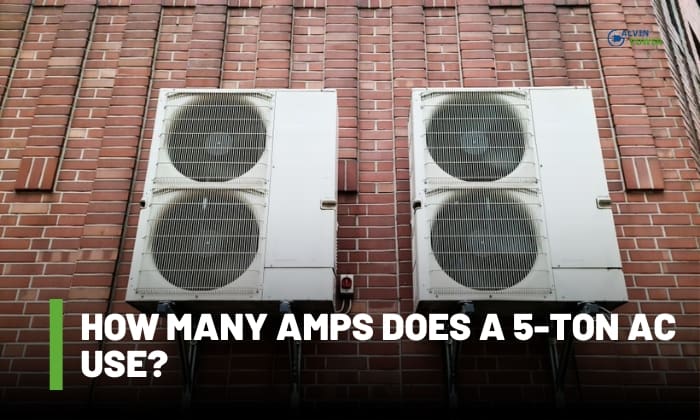
This is probably the biggest factor. Air conditioners are measured in BTUs (British Thermal Units) or "tons" (1 ton = 12,000 BTUs). A small window unit for a cozy bedroom (say, 5,000-8,000 BTU) will naturally draw far fewer amps than a hefty central air system designed to cool an entire house (3-5 tons, or 36,000-60,000 BTU).
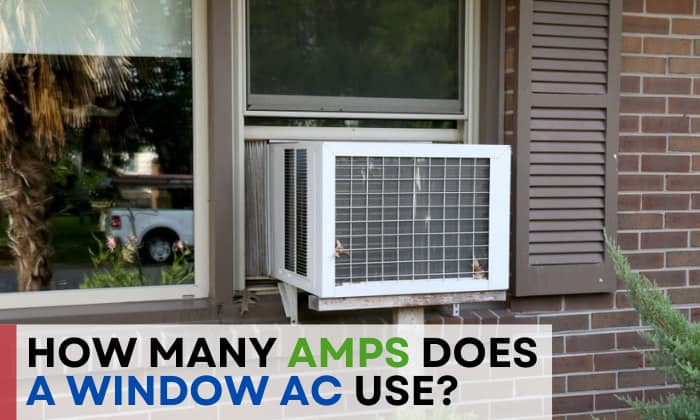
- A typical small window unit might pull anywhere from 4 to 8 amps.
- A larger, more powerful window or portable unit could be in the 9 to 15 amp range.
- A central AC unit, especially the outdoor condenser, often requires a dedicated 240-volt circuit and can draw between 15 and 30 amps for the compressor, plus a few more for the fan.
Start-Up vs. Running Amps: The Initial Surge
Here's a fun fact that often trips people up! When your AC compressor first kicks on, it experiences a momentary surge in power demand. This is called LRA (Locked Rotor Amps) or start-up amps. It's like flooring the gas pedal in your car – a quick burst of energy. This can be 2 to 3 times higher than the normal running amps. Once it's humming along smoothly, it settles into its RLA (Running Load Amps), which is the steady, continuous draw.
This initial surge is why your lights might dim for a split second when the AC cycles on, and it's also why your circuit breaker needs to be able to handle that temporary spike.
Efficiency Plays a Role (SEER, EER)
Just like cars have MPG, AC units have efficiency ratings like SEER (Seasonal Energy Efficiency Ratio) and EER. A unit with a higher SEER rating (meaning it's more efficient) will often consume fewer amps over time to achieve the same cooling effect compared to an older, less efficient model. Think of it as working smarter, not harder.
Age and Condition of the Unit
An older AC unit, especially one that hasn't seen much love in terms of maintenance, might have to work harder to achieve the desired temperature. A struggling compressor or a dirty filter can increase its amperage draw as it strains to do its job. It's like asking an out-of-shape person to run a marathon – they'll exert more energy than a trained athlete.
Where to Find Your Unit's Amperage
The absolute best place to find out how many amps your specific AC unit uses is to look at its nameplate or data plate. This is usually a sticker or metal plate on the outdoor condenser unit or the side of a window unit. It will list the RLA (Running Load Amps) and often the LRA (Locked Rotor Amps).
For central systems, you might also see a Minimum Circuit Amps (MCA) and a Maximum Overcurrent Protection (MOCP), which are vital for determining the correct breaker size.
Why Does All This Amp Talk Matter in Your Daily Life?
Understanding amps isn't just for electricians. It has real implications for your home:
- Preventing Tripped Breakers: If your AC is on a circuit with too many other high-draw appliances (like a vacuum cleaner and a microwave), the combined amperage can exceed the circuit breaker's rating, causing it to trip and cut power. Annoying, right?
- Electricity Bills: More amps drawn over time equals more power consumed, which translates directly to a higher electricity bill. Opting for higher SEER units or keeping your existing unit well-maintained can make a difference.
- Home Safety: Overloaded circuits aren't just an inconvenience; they can be a fire hazard. Knowing your major appliance draws helps ensure your electrical system isn't under undue stress.
- Making Smart Choices: When buying a new AC, considering its amp draw (alongside its cooling capacity and efficiency) can help you pick a unit that fits your home's electrical setup and your energy goals.
So, the next time you switch on your AC, take a moment to appreciate the silent power at work. It's not just blowing cold air; it's a carefully balanced dance of electrons, keeping you cool and comfortable. A little knowledge about amps means you're not just a passive user, but an informed homeowner, ready to keep your cool – in more ways than one!