How Many Amps Does A 20 Cubic Foot Freezer Draw
Okay, let's talk freezers. Not the kind that hold your ex’s heart (hopefully!), but the kind that keeps your ice cream perfectly scoopable and your emergency pizzas ready for action. Specifically, the 20 cubic foot behemoth lurking in your garage or basement. How much juice is this icy giant actually sucking up?
It's a question worth asking, especially with energy costs fluctuating more wildly than your Aunt Mildred's opinions at Thanksgiving dinner. Knowing the amperage draw can help you budget, optimize energy use, and avoid tripping breakers – which, let's be honest, is never a fun Saturday afternoon activity.
The Amp Lowdown: A Range, Not a Rule
There's no single, definitive answer to the "how many amps" question. It’s like asking how long a piece of string is; it depends! The amperage draw of a 20 cubic foot freezer is more of a range than a fixed point. Several factors come into play:
Must Read
- Freezer Age and Efficiency: Older freezers are generally less efficient. Think of it like comparing a vintage muscle car to a modern hybrid. The muscle car looks cool, but guzzles gas. Similarly, an older freezer might be drawing significantly more power.
- Energy Star Rating: Look for that bright yellow Energy Star sticker! Energy Star certified appliances are designed to consume less energy. A freezer with this rating will typically draw fewer amps.
- Freezer Type: Chest freezers are generally more energy-efficient than upright freezers, as less cold air escapes when opened. This translates to a lower amp draw.
- Ambient Temperature: The hotter the surrounding environment, the harder your freezer has to work to maintain its internal temperature. This increased effort equals increased amperage. Your freezer working overtime in a sweltering garage in July is going to pull more power than it would in a cool basement.
So, what's a realistic range? Generally, a 20 cubic foot freezer will draw somewhere between 4 to 8 amps when starting up (that initial surge when the compressor kicks on), and then settle down to a running amperage of around 1 to 3 amps. That startup surge is important when considering circuit breaker load!
Doing the Math (Without Needing a PhD)
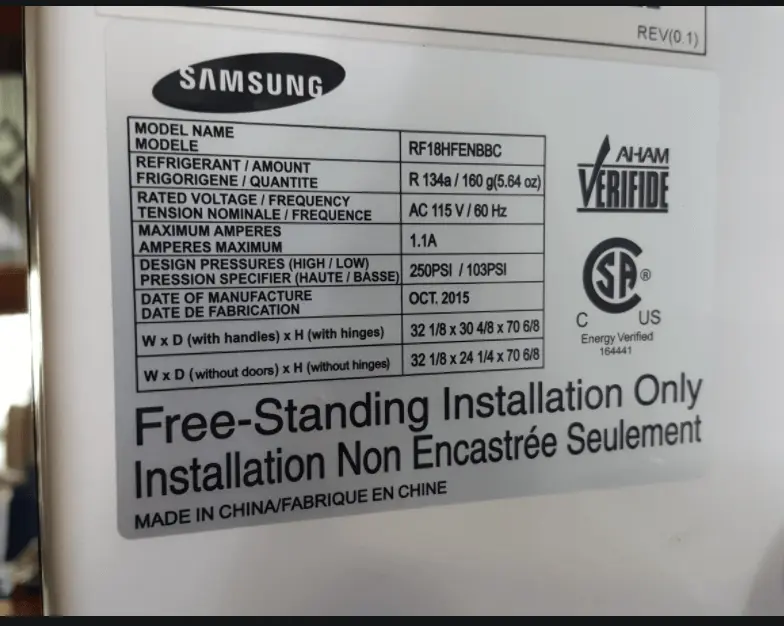
To get a better understanding of your freezer's specific amperage, look for the manufacturer's label. It's usually located inside the freezer, often on the side wall or near the compressor. This label will provide the freezer's voltage and wattage. You can then use a simple formula to calculate the amperage:
![Mini Fridge Amps Revealed [1494+ Units | Startup & Lowest Draw]](https://ecocostsavings.com/wp-content/uploads/2023/04/mini-fridge-amperage-and-start-up-amps-example.jpg)
Amps = Watts / Volts
Most freezers in North America operate on a standard 120-volt circuit. So, if your freezer label says it uses 200 watts, the amperage would be approximately 1.67 amps (200 / 120 = 1.67).

Practical Tips for Energy Savings
Want to minimize your freezer's energy consumption (and, by extension, your electricity bill)? Here are a few pro tips:
- Keep it Full (But Not Too Full): A full freezer actually runs more efficiently because the frozen contents help maintain the temperature. However, don't overpack it, as this can restrict airflow.
- Proper Placement: Avoid placing your freezer in direct sunlight or near heat sources like ovens or water heaters.
- Regular Defrosting: Frost buildup insulates the freezer and makes it work harder. Defrost your freezer regularly, or opt for a frost-free model. Think of it like decluttering your closet – the more organized it is, the easier it is to find what you need (and the less energy you waste digging around!).
- Door Seal Check: Ensure the door seal is tight. A faulty seal allows cold air to escape, forcing the freezer to work harder. You can test the seal by closing the door on a dollar bill. If you can easily pull the bill out, the seal might need replacing.
Remember the phrase, "A penny saved is a penny earned?" Well, in this case, every amp you save translates to real money back in your pocket!
Food For Thought
Understanding the energy consumption of our appliances, like that trusty 20 cubic foot freezer, is about more than just saving a few bucks. It's about being mindful of our environmental impact and making informed choices that contribute to a more sustainable lifestyle. It is about being more aware and responsible in our consumption.