
How Many Amps Does A 1500 Square Foot House Use

Alright, settle in folks, grab your latte (or your suspiciously strong iced coffee – no judgement here!), because we’re about to tackle a question that’s plagued homeowners since… well, since they invented electricity. How many amps does a 1500 square foot house actually use? It’s like asking how much pizza a teenage boy can eat. The answer is… it depends!
But don’t worry, I'm not going to leave you hanging. We're going to break this down in a way that's hopefully less boring than reading your electricity bill (which, let’s be honest, is roughly equivalent to watching paint dry... in slow motion… backwards).
The "It Depends" Factor (aka: Why I Can't Give You a Straight Answer)
Okay, so why the ambiguity? Well, imagine two identical 1500 sq ft houses. House A is occupied by a minimalist monk who spends his days meditating and subsisting on sunlight (presumably he’s got some serious Vitamin D issues). House B is inhabited by a family of five who are perpetually running the dishwasher, the washing machine, the Xbox, three TVs, and a bitcoin mining operation (don’t ask!).
Must Read
See the problem? Electricity usage varies wildly. Factors that play a part include:
- Your Appliances: Are you rocking energy-efficient appliances or are you clinging to a refrigerator from the Jurassic period? (I bet it still makes ice though, right?).
- Your Lifestyle: Are you a homebody who loves to bake cookies and binge-watch Netflix, or do you only come home to sleep?
- Your Climate: Are you in sunny San Diego or frigid Fairbanks? Air conditioning and heating eat up a ton of power.
- Your Lighting: Are you using energy-efficient LED bulbs or are you still burning incandescent bulbs like it's 1879? Seriously, switch to LEDs. Your wallet (and the planet) will thank you.
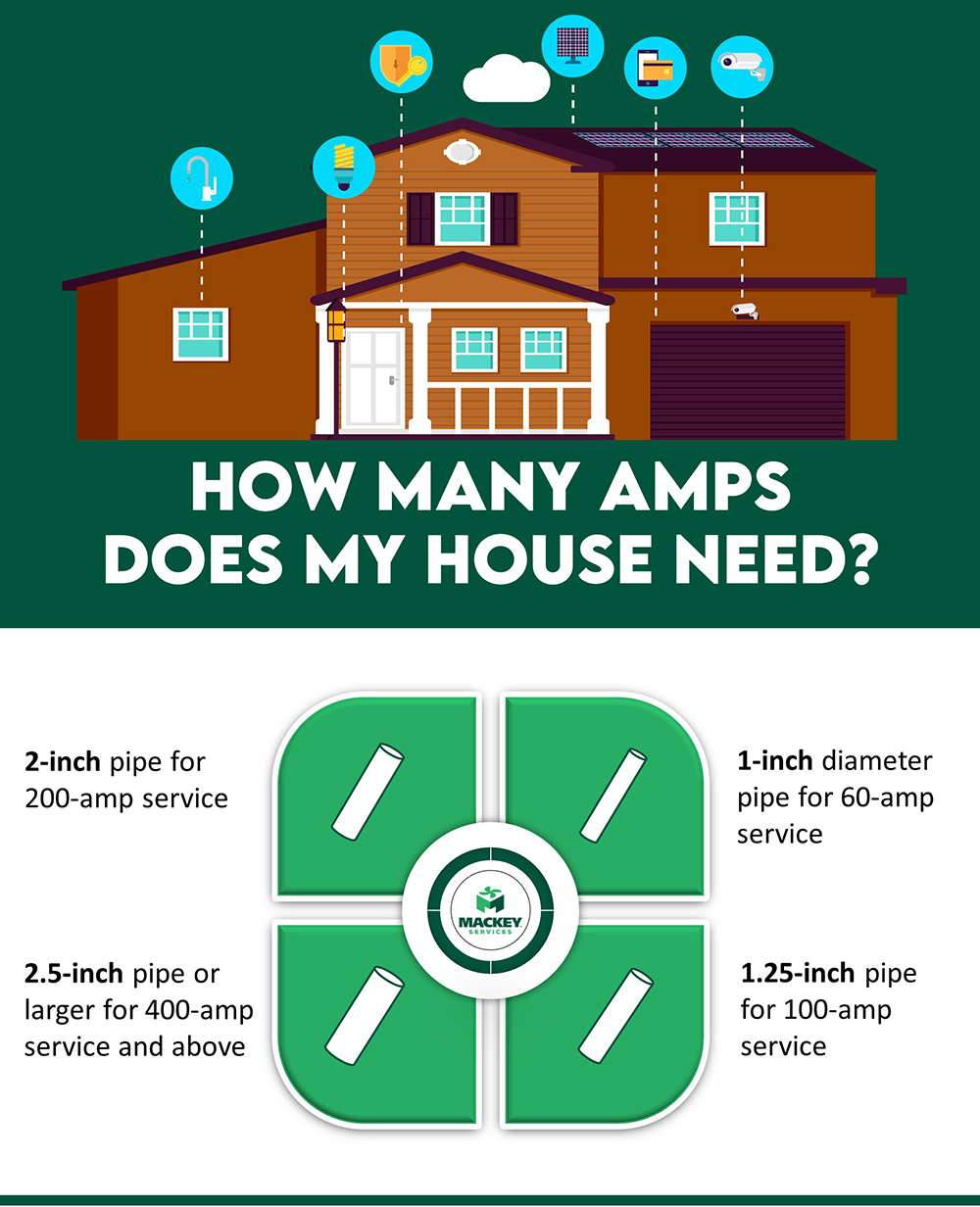
- Your Electrical Panel: This is the big Kahuna! Most homes have either a 100-amp, 150-amp, or 200-amp service.
Estimating Your Amp Usage: A Highly Scientific (and Slightly Made Up) Approach
Alright, let's get down to brass tacks. While I can't give you an exact number without knowing your personal energy habits, we can make some educated guesses. Think of it like predicting the weather – you're probably not going to be exactly right, but you can get a pretty good idea.
Most 1500 square foot homes will have a 100-amp, 150-amp, or 200-amp service panel. Let’s assume you have a 100-amp panel. That doesn't mean you're using 100 amps all the time! Think of it as the maximum amount of electricity your house can draw at any given moment without tripping a breaker and plunging you into darkness. Nobody wants that when they are in the middle of watching a show.
A reasonable average usage for a house this size, with modern appliances and a relatively energy-conscious lifestyle, might be around 30-50 amps. But remember, that's just a guess.
Here's a fun fact: Did you know that running a window air conditioner can suck up 10-15 amps? That's like having a mini-electric furnace in your living room! And those electric clothes dryers? Forget about it. They can draw 20-30 amps. So, be mindful of what you're running simultaneously.
How to (Sort Of) Figure Out Your Actual Amp Usage
Okay, so you want a more accurate picture? Here are a few things you can do (besides hiring an electrician, which is always a good idea if you're seriously concerned):

- Check your Circuit Breakers: Each breaker is labeled with the amperage it's designed for. This can give you a clue about how much power different circuits in your house are designed to handle.
- Look at your Appliance Labels: Most appliances have a sticker that tells you how many watts they use. To convert watts to amps, use the formula: Amps = Watts / Volts (In the US, volts are usually 120V).
- Use a Home Energy Monitor: These devices plug into your electrical panel and give you real-time data on your energy consumption. They're like a Fitbit for your house's electricity!
- Track your Electricity Bill: While it won't tell you your amp usage directly, you can track your kilowatt-hour (kWh) consumption over time to see how your energy usage changes with the seasons or with different lifestyle changes.
The Takeaway: Be Energy Conscious!
The bottom line is this: while it's tough to pinpoint the exact amp usage of a 1500 square foot house, understanding the factors that influence your energy consumption can help you make smarter choices. Switch to LED bulbs, unplug appliances when you're not using them, and be mindful of running multiple high-power devices at the same time.
Plus, saving energy is not only good for your wallet, but it's also good for the planet. And who knows, maybe you'll save enough money to buy that pizza… or even invest in a slightly less energy-guzzling refrigerator from the 21st century.
