How Many Amp Breaker For A Dryer
Alright, let’s talk about that moment. You’re minding your own business, maybe halfway through folding laundry, when suddenly… THWUNK! The house goes quiet. Or at least, the part of the house with your dryer does. You sigh, because you know exactly what’s happened. Your trusty dryer has decided it’s had enough, and it’s taken the breaker along for the ride. It’s like a little electrical tantrum that just wants a timeout.
We’ve all been there, right? Standing in front of that mysterious grey box, wondering, "Why does this keep happening?" or "What even is a breaker, anyway?" And more importantly, "How many amp breaker for a dryer do I actually need?" Let’s demystify this beast, shall we? No need for a degree in electrical engineering, just a little common sense and a few laughs.
The Breaker: Your Home's Electrical Bouncer
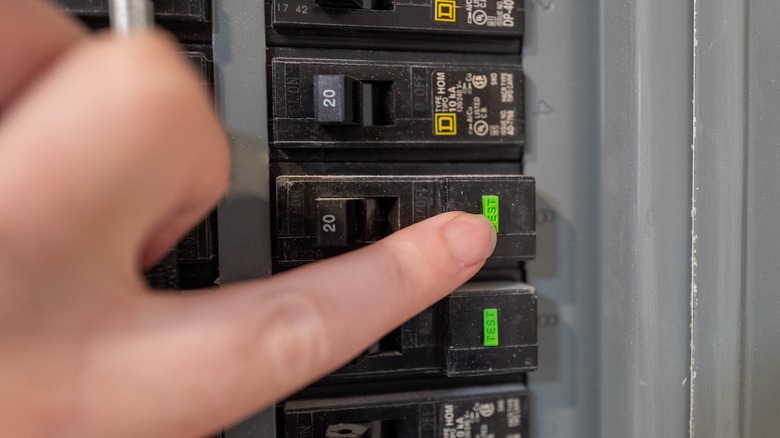
Think of your electrical breaker as the ultimate safety guard, or maybe a really strict bouncer at an exclusive club (your home's electrical system). Its job is to make sure no circuit gets overloaded. If too much electricity tries to flow through a wire – say, your dryer suddenly tries to pull an entire city’s worth of power – the bouncer steps in, says "Nope!", and shuts down the party before things get wild and dangerous (like a fire, yikes!).
Must Read
It’s not trying to ruin your day, honest. It’s just trying to protect your home and everyone in it. So, when it trips, it’s actually doing its job. Good breaker! Now, let’s get to the nitty-gritty of keeping it from tripping unnecessarily.
The Main Event: Electric Dryers
For most of us, when we picture a dryer, we’re thinking of an electric dryer. These are the workhorses that need a dedicated, heavy-duty electrical connection. They’re like the muscle cars of the laundry room, demanding a lot of juice to get the job done.
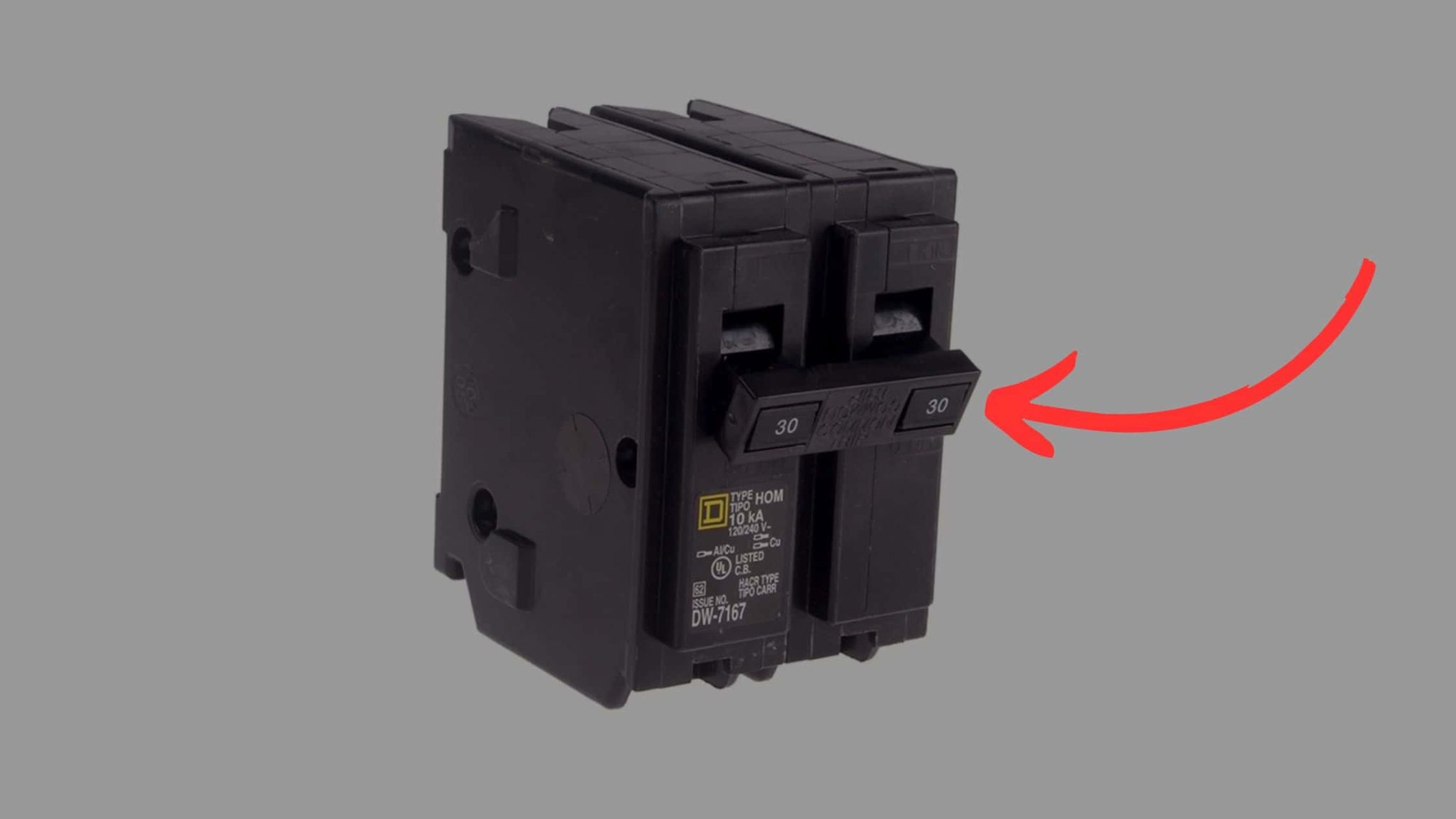
Here’s the golden rule, the one you’ll probably hear most often: an electric dryer typically requires a 30-amp breaker. And here's why it's so important: electric dryers often run on 240 volts, not the standard 120 volts that powers your lamps and phone chargers. This higher voltage means they pull a lot more power to generate all that heat, spin the drum, and dry your clothes faster than you can say "lint trap."
Using anything less than a 30-amp breaker for an electric dryer is like trying to make a marathon runner wear flip-flops. It just won’t work, or it’ll trip constantly, leading to a lot of muttered curses and damp laundry. You’ll be resetting that breaker more often than you change your socks.

The Quieter Cousin: Gas Dryers
Now, if you have a gas dryer, you’re in a slightly different electrical ballgame. Gas dryers use, well, gas to generate heat. The electricity they do use is just for the igniter (to light the flame), the internal lights, and the motor that spins the drum. Think of them as the more fuel-efficient hybrids of the laundry world – they're not nearly as power-hungry when it comes to electricity.
Because they don’t need to power a big electric heating element, gas dryers are much less electrically demanding. Typically, a gas dryer only needs a 15-amp or 20-amp breaker, operating on the standard 120-volt circuit. This is the same kind of circuit that powers many of your smaller appliances. So, if you've got a gas dryer, you might not have that big, beefy cord and dedicated outlet that electric dryers brag about.
Why Does It Matter So Much? (Beyond Annoyance)
Getting the right breaker size isn’t just about avoiding that dreaded thwunk sound and the subsequent trip to the electrical panel in your pajamas. It’s about safety. Seriously, this isn't just about convenience; it's about protecting your castle.
- Too Small: If your breaker is too small for your dryer's needs, it will constantly trip. Annoying, yes, but also a sign that your system is stressed. It’s like trying to squeeze a sumo wrestler into a clown car – things are going to pop, and that car ain't moving.
- Too Big: This is where things get truly dangerous. If you install a breaker that’s too large for the wiring in your wall, the breaker won't trip when it should. Instead, the wires in your wall could overheat, melt, and potentially cause a fire. This is a big no-no, folks. Never, ever, put a larger breaker on a circuit than what the wiring is rated for. It’s like taking the safety off a loaded gun, and you really don't want to do that.
How to Be Sure: The Detective Work
So, you’re not sure what kind of dryer you have, or what breaker it needs? No problem, detective! Here's how to find out:
- Check the Dryer Itself: Look for a label, usually on the back, near the power cord, or inside the door frame. It should clearly list the voltage and amperage requirements. This is your dryer’s official ID card, don't lose it!
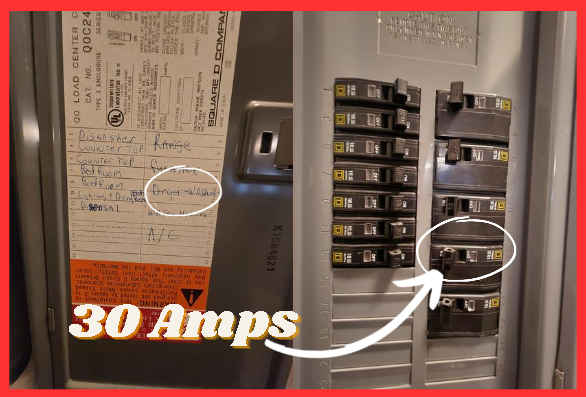
- Check Your Breaker Panel: Each breaker switch should have a number printed on it (e.g., "15," "20," "30"). That number tells you the amperage. Just make sure the dedicated dryer circuit matches what your dryer needs.
- When in Doubt, Call a Pro: If you’re scratching your head, or if you’re dealing with an older home where things might not be up to modern code, don’t play electrician. Call a licensed electrician. They’re the superheroes of the electrical world, and they’ll make sure everything is safe and sound. It’s an investment in peace of mind, and that’s priceless.
Understanding your dryer's electrical needs isn't just for DIY enthusiasts; it's for anyone who wants a smooth, safe, and interruption-free laundry day. So, the next time that breaker goes thwunk, you’ll have a better idea of why, and more importantly, how to prevent it from happening again. Happy drying!