
How Long Will Fossil Fuels Last

Ever sat there, maybe with a mug of coffee (or something stronger, no judgment!), and just, like, really wondered? About those fossil fuels everyone’s always talking about? You know, oil, gas, coal? The stuff that powers, well, pretty much everything around us? Like, seriously, how long will they actually last? Is it like, five minutes? Or a gazillion years? It's a question that pops up, right? And honestly, it’s not as simple as a yes or no, or even a neatly packaged "X years." So, let's dive in, grab another sip, and chew on this a bit, shall we?
First off, let's just clear the air: we're probably not going to wake up tomorrow and find all the gas stations empty, the lights out, and our cars suddenly just… expensive lawn ornaments. Phew! Good news, right? The world isn’t going to run out of fossil fuels overnight. That’s because the whole "running out" thing is a lot more nuanced than just checking a fuel gauge.
The Big Three: Oil, Gas, and Coal – Who's Got What?
Think of it like this: not all fossil fuels are created equal in terms of abundance. Or, how easy they are to get to. It's like having a pantry with different shelves, some easy to reach, some you need a ladder for, and some you didn't even know existed until you moved a dusty box.
Must Read
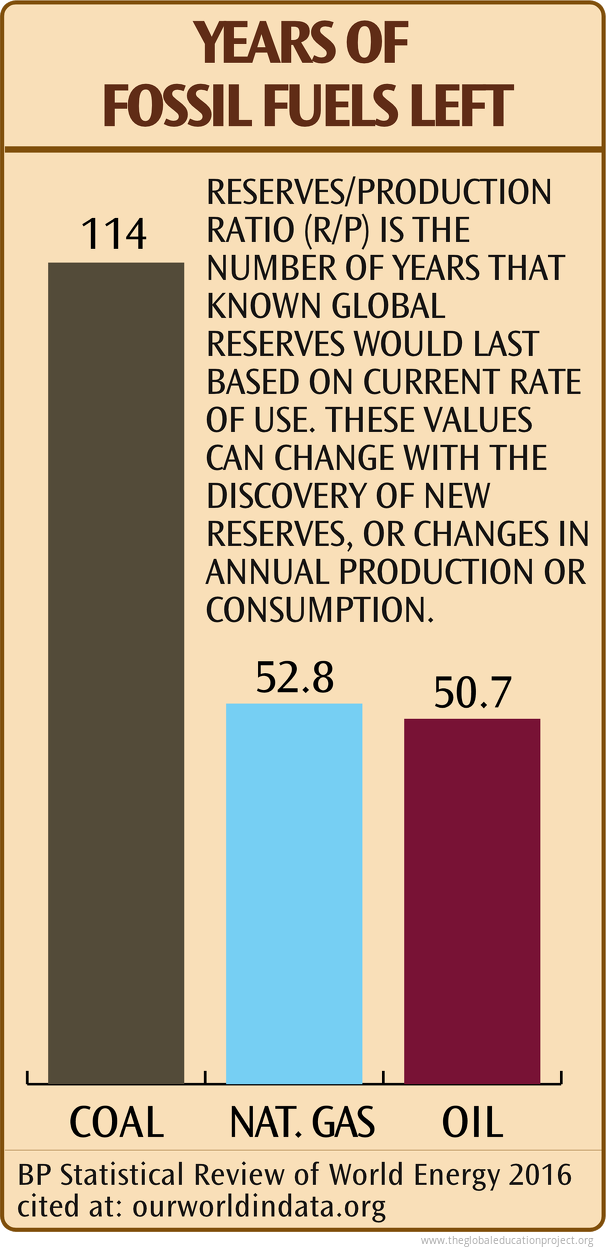
Oil: Ah, the slippery stuff! It's the one we hear about most, probably because it fuels our cars and planes. For oil, current estimates often float around 50-70 years based on current known reserves and consumption rates. But here's the kicker: those numbers are constantly changing! They go up when new deposits are found or new tech makes old deposits recoverable. It's like playing hide-and-seek with Mother Earth, and she's surprisingly good at hiding!
Natural Gas: This guy is often seen as oil’s cleaner, slightly more abundant cousin. Estimates for natural gas reserves usually stretch a bit longer, maybe 70-100 years, sometimes even more. Again, new discoveries and drilling techniques (hello, fracking – a whole other can of worms, but effective for finding more gas!) keep pushing that horizon further out. It's like finding a secret compartment in the pantry!
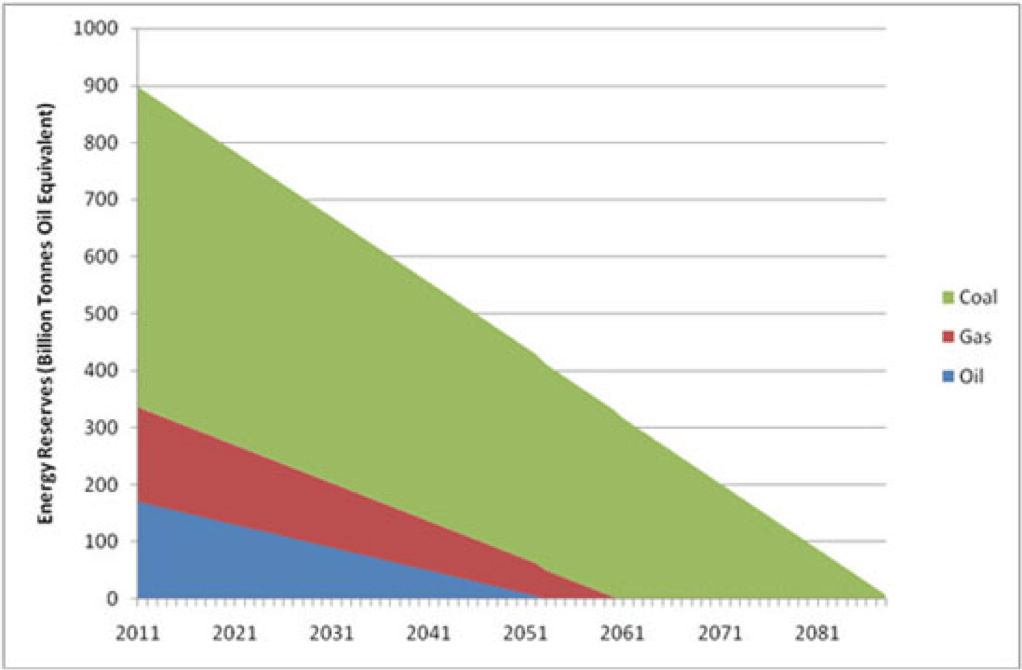
Coal: Now, coal is the undisputed heavyweight champion of sheer quantity. We've got tons of coal. Literally. Like, enough to last us for a couple of centuries at current consumption rates. Think 150-200 years, easy. It's the granddaddy of fossil fuels, abundant but also, well, the dirtiest to burn. So while it's plentiful, it comes with a much heftier environmental price tag.
"Reserves" vs. "Actually Getting It Out" – The Plot Thickens!
Here’s where it gets really interesting, and a little mind-bending. When experts talk about "reserves," they’re not just talking about every single speck of oil or gas or coal buried underground. Nope! They're talking about the stuff we can economically and technologically recover right now. It's a huge difference!
Imagine you have a cookie jar. The total number of cookies in the jar is one thing. But the number you can actually reach with your hand without tipping the whole thing over? That's your "recoverable reserve." See? What was once too expensive or too difficult to extract suddenly becomes viable when technology improves or prices go up. It’s like finding a longer spoon for that cookie jar! So, those numbers we mentioned earlier? They're living, breathing estimates, always subject to change.
The Real Twist: It's Not Just About Running Out!
Okay, here’s the big philosophical "a-ha!" moment. For many, the question isn't really how long will fossil fuels last. It's becoming more about how long should we continue to rely on them? Like, really think about that for a second. Even if we had enough coal to power the planet for 500 years, should we? Given everything we know about climate change, pollution, and all that less-than-fun stuff?
The conversation is shifting, isn’t it? It’s moving from "Do we have enough?" to "Is this the smart, sustainable path forward?" We're getting increasingly good at finding new ways to generate power – solar, wind, hydro, geothermal. These are the cool kids on the block, the ones that don’t come with a giant carbon footprint attached. So, the end of the fossil fuel era might not be because we’ve scraped the bottom of the barrel, but because we’ve simply found better, cleaner barrels to drink from!
So, What's the Takeaway?
In short: fossil fuels aren't vanishing tomorrow. We likely have enough to keep things chugging along for several more decades, if not centuries, especially with coal. But the real story isn't about their physical limits anymore. It's about our choice. It's about deciding when it's time to politely say, "Thanks for the ride, old friends, but we're moving on to something brighter, cleaner, and ultimately, more lasting."
Pretty wild, right? It's not a question of depletion as much as it is one of conscious transition. So, next time you fill up your car or flip a light switch, maybe give a little nod to the planet, and ponder not just where the energy came from, but where it's headed. Because the future? It looks increasingly less like a finite resource, and more like infinite possibilities. Cheers to that!
