
How Long Will A Solar Generator Run A Refrigerator

Ever wondered if you could ditch the noisy gas generator and power your fridge with sunshine? It's a thought that tickles the imagination, doesn't it?
Imagine a world where power outages are just a minor inconvenience. Where your ice cream stays frozen, and your beer stays cold. Solar generators offer that possibility!
The Big Question: Fridge Lifeline?
So, how long can a solar generator actually keep your refrigerator humming? The answer is, delightfully, it depends!
Must Read
Think of it like asking how long a tank of gas will last in your car. It hinges on several things. Let's dive into the fun details.
Watt's Up With Your Fridge?
First, your refrigerator's appetite for power is key. Every fridge is different, like snowflakes or fingerprints.
Look for the wattage rating, often found on a sticker inside. This tells you how much power it needs to run.
Also, consider the starting wattage. Fridges need a surge of power to kick on the compressor, then they settle into a lower running wattage.
Typically, refrigerators consume between 100 to 200 watts while running. But that initial surge can be 3 to 4 times higher!
Solar Generator Size Matters!
Next, we need to peek under the hood of your solar generator. It's like checking the gas tank on your solar-powered car!
Solar generators are rated by their capacity, measured in watt-hours (Wh). This is the amount of energy it can store.
A larger watt-hour rating means more power in the "tank," which equals more running time for your fridge.
Pay attention to the inverter size. This component changes the DC power from the battery to AC power that your fridge can use. It has a maximum wattage rating.
Doing the Math (Don't Panic!)
Okay, time for a little math, but don't worry, it's easier than balancing your checkbook!
Divide the solar generator's watt-hour capacity by your fridge's running wattage. This gives you an estimate of how long it will last.

For example, a 500Wh generator powering a 100W fridge theoretically could last 5 hours. Simple, right?
But reality is trickier. We need to account for the inverter's efficiency and the fridge's on/off cycles.
The On-Off Tango
Fridges don't run constantly. They cycle on and off to maintain the temperature. This is great for energy saving!
The duty cycle (percentage of time the fridge is actually running) varies. A typical fridge might run 50% of the time.
This means our 100W fridge might only average 50W of power consumption over time. This stretches out your solar generator's runtime!
Inverter Efficiency: Hidden Power Drain
Inverters aren't perfect. They lose some energy during the conversion process. This inefficiency reduces your runtime.
Most inverters are around 85-90% efficient. So, multiply your estimated runtime by 0.85 or 0.90 to account for this.
Self-Discharge: The Silent Thief
Even when not in use, batteries in solar generators slowly lose their charge. This is called self-discharge.
The rate varies depending on the battery type and temperature. Lithium batteries have a lower self-discharge rate than lead-acid batteries.
Real-World Scenario: Putting It All Together
Let's picture this: You have a 1000Wh solar generator and a fridge that consumes 150W while running, with a 50% duty cycle.
The average power consumption is 75W (150W x 50%). Divide 1000Wh by 75W. You get around 13 hours of potential run time.
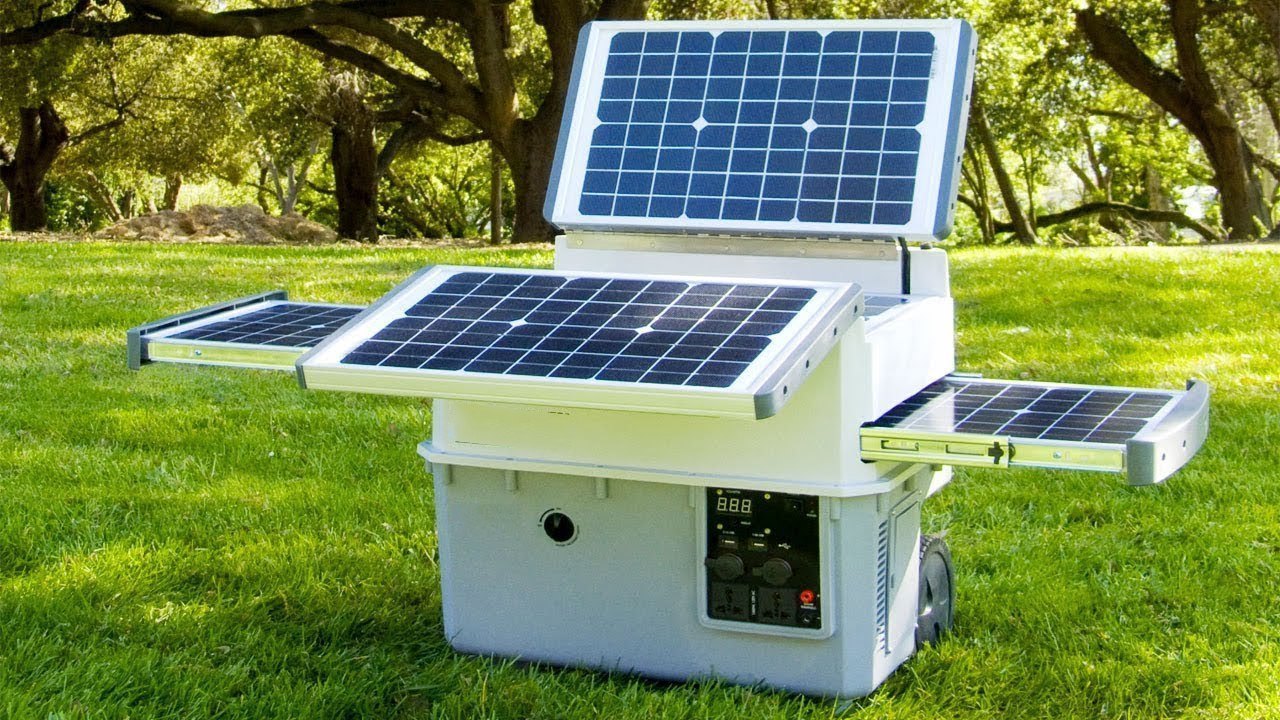
Now, factor in an 85% inverter efficiency. Multiply 13 hours by 0.85. You're now looking at around 11 hours. That is pretty impressive!
Extending Your Fridge's Solar Lifeline
Want to squeeze even more juice out of your solar generator? There are clever ways to do it!
First, pre-chill your fridge before a power outage. The colder it starts, the less it has to work.
Avoid opening the fridge unnecessarily. Every time you open the door, warm air rushes in, and the fridge has to work harder.
Consider adding more solar panels to your system. This recharges your generator faster and keeps the power flowing.
Also, only power essential items. Prioritize your fridge and a few lights over power-hungry appliances.
The Solar Panel Power-Up
Speaking of solar panels, they are the sun-soaking heroes of this story! They turn sunlight into electricity to recharge your generator.
The size and efficiency of your panels dictate how quickly you can replenish your generator's power.
Think of it like having a fuel line constantly refilling your gas tank. The stronger the sun, the faster the refill!
Location, Location, Location! (For Solar Panels)
The angle and orientation of your solar panels greatly affect their performance. Sunlight is the key ingredient.
Position them to face the sun directly for maximum energy capture. Think of them as sunbathers, soaking up the rays!

Avoid shading from trees or buildings. Even partial shade can significantly reduce energy production.
Battery Type: The Heart of the Generator
The type of battery inside your solar generator also impacts its performance and lifespan. There are pros and cons.
Lead-acid batteries are often more affordable, but they have a shorter lifespan and are heavier.
Lithium-ion batteries are lighter, more efficient, and last longer. However, they are usually more expensive.
Beyond the Fridge: Solar Versatility
The beauty of solar generators is that they're not just for refrigerators. They're incredibly versatile power sources.
They can power lights, charge phones, run laptops, and even operate small appliances. Think of them as portable power stations!
They're perfect for camping, tailgating, and emergency preparedness. A true all-in-one power solution.
Quiet Power: A Game Changer
One of the biggest advantages of solar generators is their quiet operation. No more noisy gas-powered generators disturbing the peace!
Enjoy the serenity of nature or the comfort of your home without the disruptive hum of an engine. Silence is golden!
This makes them ideal for situations where noise is a concern, such as campgrounds or residential areas.
Embrace the Sunshine
So, can a solar generator run your refrigerator? Absolutely! But it takes a little planning and understanding.

By understanding your fridge's power consumption, the capacity of your generator, and the nuances of solar power, you can keep your food cold and your drinks chilled.
Now, isn’t that an electrifying idea? Explore the world of solar generators and harness the power of the sun! You might be surprised at what you discover.
Long-Term Cost Savings
While the initial investment in a solar generator might seem significant, consider the long-term cost savings.
No more expensive gasoline or messy oil changes. Just clean, renewable energy from the sun. It is environmentally friendly!
Plus, solar generators require minimal maintenance, saving you time and money. It's a win-win situation.
A Greener Future, Powered by You
By choosing a solar generator, you're contributing to a greener future. You're reducing your reliance on fossil fuels.
You're harnessing the power of the sun, a clean and sustainable energy source. This is a step to protect the planet!
It's a small change that can make a big difference. So, join the solar revolution and power your life with sunshine!
Check those Reviews
Before you jump into buying any solar generator, take your time and read the reviews.
See what others say about the products. Honest feedback will help your decision a lot.
Price does not always indicate value. Make sure you buy the right one.