
How Long Should You Run A Generator At A Time

Okay, folks, let's talk generators! Those magnificent, humming beasts that keep the lights on when Mother Nature decides to throw a tantrum. But like any hardworking machine, your generator needs a little TLC. And one of the most common questions swirling around is: How long can I actually run this thing before it cries uncle?
The Great Generator Endurance Test: Not as Simple as You Think!
Imagine you're training for a marathon. You wouldn't just roll out of bed one morning and try to run 26.2 miles, right? (Unless you're some kind of superhuman, in which case, teach me your ways!). You'd train, hydrate, and pace yourself. Generators are similar. They have limits, and pushing them too hard is a recipe for disaster... and potentially a very expensive repair bill.
There's no one-size-fits-all answer, I'm afraid. It's not like I can just shout out "8 hours!" and call it a day. (Though wouldn't that be convenient?). The runtime depends on a bunch of factors, more than you can shake a stick at! It's a delicate dance between fuel tank size, the type of generator, and how much power you're demanding from it.
Must Read
Decoding the Generator Code: Fuel Type Matters!
First off, what kind of generator are we talking about? Is it a gasoline-powered beast? A propane-sipping friend? Or a diesel-chugging powerhouse? Each fuel type has its own quirks.
- Gasoline Generators: These are the workhorses, the most common type you'll find. They're generally good for shorter runs, maybe 8-12 hours on a full tank, depending on the load. Think of it like a weekend warrior – bursts of energy, but needs refueling!
- Propane Generators: Propane is a bit cleaner burning, and you can hook these up to larger tanks for extended runtime. We're talking potentially days, not just hours, if you have the right setup! Picture it as the steady, reliable marathon runner.
- Diesel Generators: Now we're talking serious business! Diesel generators are known for their longevity and efficiency. They can run for a very, very long time – sometimes even continuously for days or even weeks! They're the ultra-marathoners of the generator world. You often see these at construction sites or hospitals.
The Load Factor: How Much are You Asking It To Do?
Okay, so you know what fuel type you have. Now, what are you actually powering with it? Running a few lights and a fan is a lot different than powering your entire house with a hungry air conditioner and a power-guzzling refrigerator thrown into the mix. The heavier the load, the faster the fuel will burn, and the shorter your runtime will be.
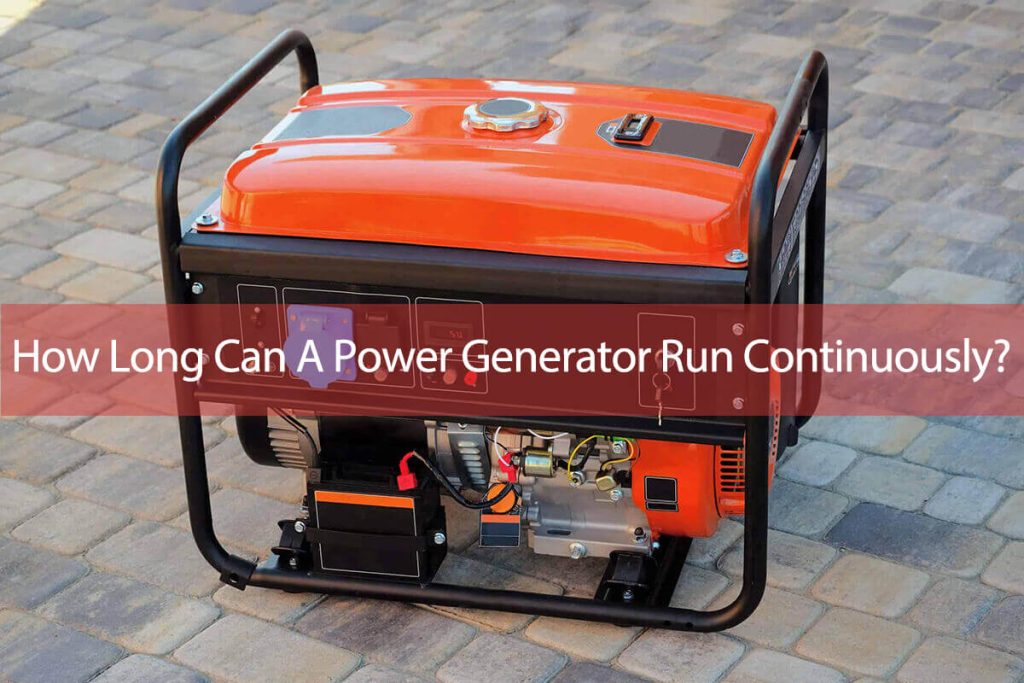
Think of it like this: carrying groceries. You can walk a long way with a single bag of chips. But try lugging five bags overflowing with canned goods? You'll be winded in no time! Same principle applies to your generator.
The Golden Rule: Read The Manual!
I know, I know. Reading the manual is about as exciting as watching paint dry. But trust me on this one! Your generator's manual is a goldmine of information, including the manufacturer's recommended runtime and maintenance schedule. They know their machine best, so pay attention!
Ignoring the manual is like ignoring your GPS and ending up in a cornfield. Not ideal.
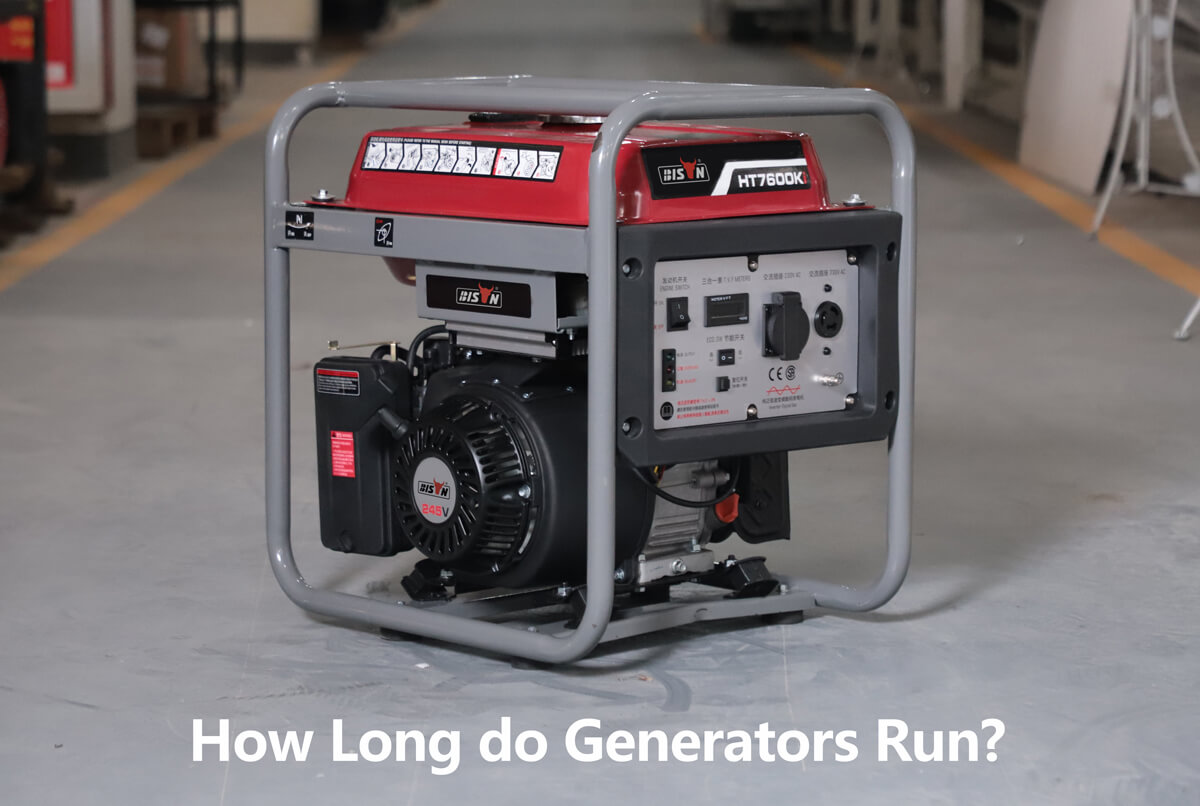
Seriously, read the manual. It's your friend.
Cool Down, My Friend!
Even if your generator can theoretically run for 12 hours straight, giving it a break is a good idea. Think of it like your car – even the best engines need time to cool down to prevent overheating and wear and tear. Let your generator rest for an hour or two after a long run to extend its lifespan and keep it running smoothly.

Safety First! (Duh!)
And of course, let's not forget the most important thing: SAFETY! Never run a generator indoors or in an enclosed space. Carbon monoxide is a silent killer. Always operate your generator in a well-ventilated area, far away from doors and windows. It's better to be safe than sorry.
So, there you have it! The not-so-simple answer to the question of how long to run your generator. Remember, it's all about understanding your machine, respecting its limits, and following the manufacturer's recommendations. Now go forth and conquer those power outages... responsibly!
