
How Long Should My Ac Run Per Cycle

Okay, picture this: you're finally home after a long day. You crank up the AC, expecting that sweet, sweet blast of cool air...and then, like, 10 minutes later, it shuts off. You're left wondering, "Wait, was that it? Did I even get any colder?" We've all been there. It's the summer version of phantom limb syndrome, except instead of a missing limb, it's your precious cool air.
This got me thinking – how long should your AC actually run per cycle? Is there a "normal" amount of time? And if yours is running for way too short (or way too long!), what's the deal?
Let's dive into the wonderfully complex (and sometimes frustrating) world of AC cycles.
Must Read
What Even IS an AC Cycle?
First things first, let's define what we're talking about. An AC cycle is simply the period when your air conditioner is actively cooling your home. It starts when the compressor kicks on and ends when it shuts off. Basically, it's the "on" time for your AC.
(Side note: If your AC is making weird noises during the cycle, that's a whole other can of worms. We'll tackle that another day, folks!)
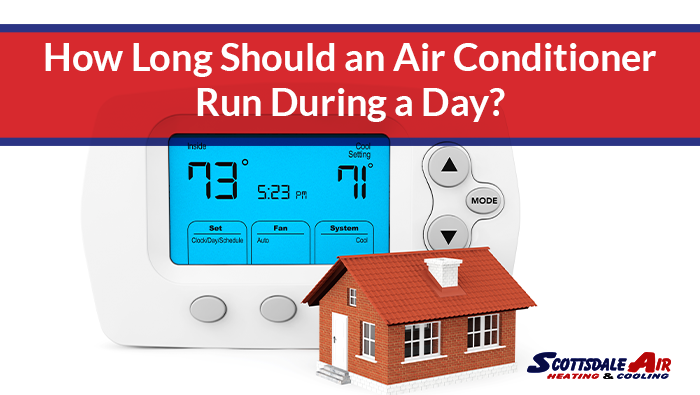
The "Ideal" AC Cycle Length (Spoiler: It's Complicated)
Okay, so here's the tricky part: there's no one-size-fits-all answer. The "ideal" AC cycle length depends on a bunch of factors. I know, I know, you were hoping for a definitive number. But trust me, understanding these factors is way more helpful in the long run.
Here are some of the biggies:
- Outside Temperature: This is a no-brainer. On a scorching summer day, your AC will naturally run longer to maintain your desired indoor temperature.
- Indoor Temperature: The bigger the difference between your current indoor temp and your thermostat setting, the longer the cycle will be.
- Home Insulation: A well-insulated home will retain cool air much better, resulting in shorter cycles. If your house is like a sieve, your AC will be working overtime. (Time to check those windows, people!)
- AC Unit Size: A correctly sized AC unit is crucial. Too small, and it'll run constantly trying to keep up. Too big, and it'll short cycle (more on that in a sec!).
- Airflow: Restricted airflow can cause your AC to overheat and shut down prematurely. Make sure your vents are clear and your filter is clean!
As a general guideline, a typical AC cycle might last anywhere from 15 to 20 minutes. However, on extremely hot days, it could run for 30 minutes or more. The key is consistency.
Short Cycling: The Enemy of Cool
Short cycling is when your AC turns on and off frequently, without running for a reasonable amount of time. This is bad news for a few reasons:
![How Long Should My AC Run? [Expert AC Tips]](https://www.scottsdaleair.com/wp-content/uploads/2022/05/How-long-should-my-AC-Run-Expert-AC-Tips.png)
- Inefficiency: Starting up an AC unit uses a lot of energy. Short cycling means you're wasting energy with all those starts and stops.
- Increased Wear and Tear: All those extra starts and stops put a strain on the compressor, which can shorten its lifespan. (And nobody wants to replace their AC unit sooner than necessary, am I right?)
- Uneven Cooling: You'll end up with inconsistent temperatures throughout your home.
Common causes of short cycling include an oversized AC unit, a dirty air filter, and refrigerant leaks. If you suspect your AC is short cycling, it's best to call a qualified HVAC technician to diagnose and fix the problem.
Long Cycling (or Running Constantly): Not Always a Disaster, But Worth Investigating
On the other hand, if your AC seems to be running almost constantly, that's also something to keep an eye on. While it might be normal on a super-hot day, constant running could indicate:

- Undersized AC Unit: The unit simply can't keep up with the cooling demand.
- Leaky Ductwork: Cool air is escaping before it even reaches your rooms.
- Poor Insulation: Your home is losing heat faster than the AC can remove it.
Again, a professional HVAC technician can help you pinpoint the cause and recommend the best solution.
So, How Do You Know if Your AC Cycle is "Normal"?
The best way to determine if your AC cycle is normal is to monitor it over a few days, paying attention to the outside temperature and your thermostat setting. If you notice any of the issues mentioned above (short cycling, constant running), it's time to call in the experts.
Don't just suffer in silence (or swelter in the heat!). A little investigation can save you money on your energy bill and extend the life of your AC unit. And who knows, maybe you'll even get to enjoy that sweet, sweet blast of cool air a little longer.