
How Long Should I Run My Pool Pump In Winter
Brrr! Winter's here. Your pool looks like a frozen disco ball. Time to think about its winter hibernation.
The Great Winter Pool Pump Puzzle
So, how long should that trusty pump be running? That's the million-dollar question! (Okay, maybe just a few hundred dollar question on your electricity bill). Let's dive in!
The "Just Enough" Philosophy
Think of it like Goldilocks and the Three Bears. Too much, and you're wasting energy. Too little, and you risk a swampy mess!
Must Read
The goal is to find that "just right" balance. We aim to keep your pool water circulating enough to prevent problems. No algae monster sightings, please!
The Temperature Tango
Water temperature plays a big role. Colder water means less algae growth. Isn't science neat?
Consider this: If the water is near freezing, you might get away with less pump time. But warmer winter days? You might need a bit more.
The "Once a Day" Recommendation
A popular suggestion? Aim for at least 6 hours a day. Running your pump during the coldest part of the day can help prevent freezing.
This helps prevent your pipes from turning into ice sculptures. Remember that frozen pipes are a serious pool no-no.
The Timer Tactic
Set that timer! It's your best friend in this winter pool pump game. Set it and forget it (almost!).
A timer ensures you're not wasting energy. No need to babysit the pool pump all winter.

The "Check-Up" Routine
Pop out and peek at your pool every so often. Just a quick check for any icy surprises. Look for any visible issues.
Give your pool a little love. Make sure everything is running smoothly. It's like a mini-spa day for your pool!
Factors That Change the Game
Not all pools are created equal. Several factors can affect your pump runtime. Let's explore these.
The size of your pool matters. A giant pool needs more circulation than a tiny one. Also, your location's winter weather is key!
Pool Size Matters!
Bigger pools mean more water. More water means more potential for problems. So, adjust accordingly.
Think of it like making a giant pot of soup. It takes longer to heat up and requires more stirring. Same goes for your pool!
Location, Location, Location!
Are you in sunny Florida or snowy Alaska? This makes a HUGE difference. Freezing temperatures mean more pump time.
Mild winters? You might get away with less. Harsh winters? Crank up that pump!
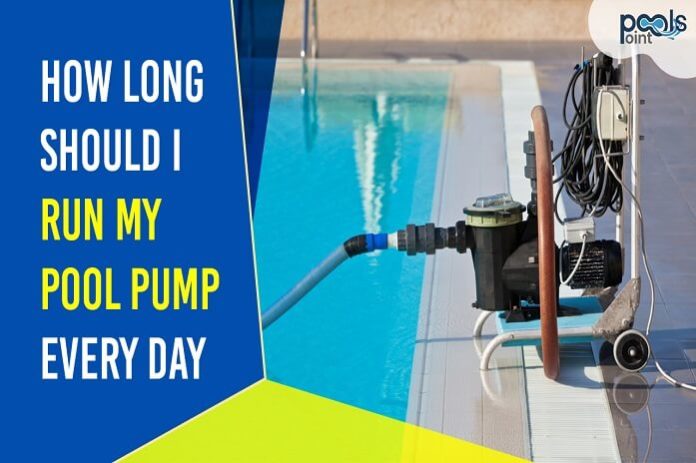
Pool Cover Considerations
A pool cover can help retain heat. This reduces the risk of freezing. It also cuts down on debris.
Less debris means less work for your pump. So, a cover can be a win-win!
Variable Speed Pumps: The Smart Choice
Got a variable speed pump? You're in luck! These are energy-efficient superheroes. They allow you to fine-tune the flow rate.
Run them longer at a lower speed. This saves energy and keeps the water circulating. It's like a gentle massage for your pool.
The "Listen to Your Pool" Approach
Your pool will often tell you what it needs. Look for signs of trouble. This is especially important if you're trying to minimize pump time.
Cloudy water? Algae blooms? These are red flags! It might mean you need to increase the pump runtime.
The Algae Alert
Algae is the enemy! It's the green monster lurking in your pool. It can ruin your winter pool party (if you were planning one!).

Proper circulation helps prevent algae growth. Keep that water moving! Don't give algae a chance to party.
Freezing Prevention: The Ultimate Goal
The biggest threat in winter? Freezing pipes! Expanding ice can crack your pipes. This is a plumbing nightmare.
Running the pump helps prevent this. Moving water is less likely to freeze. It's like shaking a can of soda before opening it (don't do that to your pipes!).
The Plumbing Protection Plan
If a hard freeze is expected, take extra precautions. Run the pump continuously. This ensures constant water movement.
Consider adding a freeze protector. These devices automatically turn on the pump when the temperature drops. They are your pool's winter bodyguards.
The "When in Doubt, Ask a Pro" Tip
Feeling unsure? Talk to a pool professional. They can assess your specific situation. This provides tailored advice.
They know the ins and outs of winterizing pools. It's their superpower! Their knowledge is invaluable.
The Energy Efficiency Angle
Winter pool maintenance doesn't have to break the bank. There are ways to save energy. Reduce your carbon footprint.

Use a timer, consider a variable speed pump. Adjust your runtime based on the weather. Every little bit helps.
The Bottom Line
Finding the right pump runtime is a balancing act. It's about protecting your pool. All while minimizing energy waste.
Remember the key factors. Consider pool size, temperature, and location. And keep an eye on your pool for any signs of trouble.
A Quick Recap for the Winter Warriors
Aim for at least 6 hours a day. Run your pump during the coldest times. Check your pool regularly.
Adjust based on your local weather. Listen to your pool. If you're not sure, ask a professional.
Enjoy Your Winterized Pool!
With a little planning and attention, your pool will be safe and sound. It will be ready for fun in the sun next summer. Happy winterizing!
Remember, proper winterization is key to a happy pool in the spring! Don't neglect this important task!
Now go forth and conquer the winter pool pump puzzle! Your pool will thank you. May your pipes remain ice-free!
And don't forget the most important thing: Have fun while doing it! Ok, maybe not fun, but you know, be thorough! Good luck!