How Long Should Ac Run After Reaching Temperature
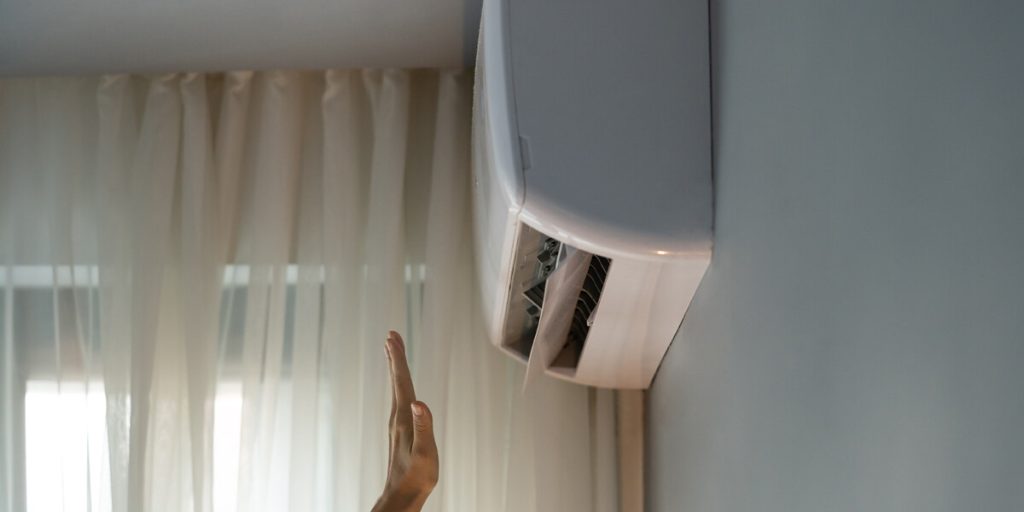
Ah, the sweet relief of walking into an air-conditioned space on a sweltering summer day! It's a feeling we all know and love. Whether it's escaping the humidity after a long day at work, enjoying a cool movie theater, or simply relaxing in your own home, air conditioning is a modern marvel that brings comfort and sanity to countless lives.
But have you ever wondered how long your AC should actually run after it hits your desired temperature? It's a valid question, and the answer isn't as simple as "shut it off immediately!" The key is understanding how your AC system works and optimizing it for both comfort and energy efficiency.
The primary benefit of air conditioning is, of course, comfort. It allows us to maintain a consistent and comfortable indoor temperature, regardless of the weather outside. Beyond comfort, it also plays a crucial role in health. AC helps control humidity, which can prevent the growth of mold and mildew, reducing allergens and improving air quality. This is particularly important for individuals with respiratory conditions like asthma.
Must Read
We encounter air conditioning everywhere: homes, offices, cars, shopping malls, hospitals – you name it! Each system is designed with a specific purpose in mind, but the underlying principle remains the same: to remove heat and humidity from the air.
So, back to the original question: how long should your AC run? The truth is, it depends. Ideally, your AC unit should cycle on and off to maintain the desired temperature. This cycling is normal and efficient. A well-insulated home will require less frequent cycles. However, if your AC runs constantly, even after reaching the set temperature, it could indicate a problem. This could be due to poor insulation, air leaks around windows and doors, a dirty air filter, or even a refrigerant leak. In such cases, it's best to call a qualified HVAC technician.
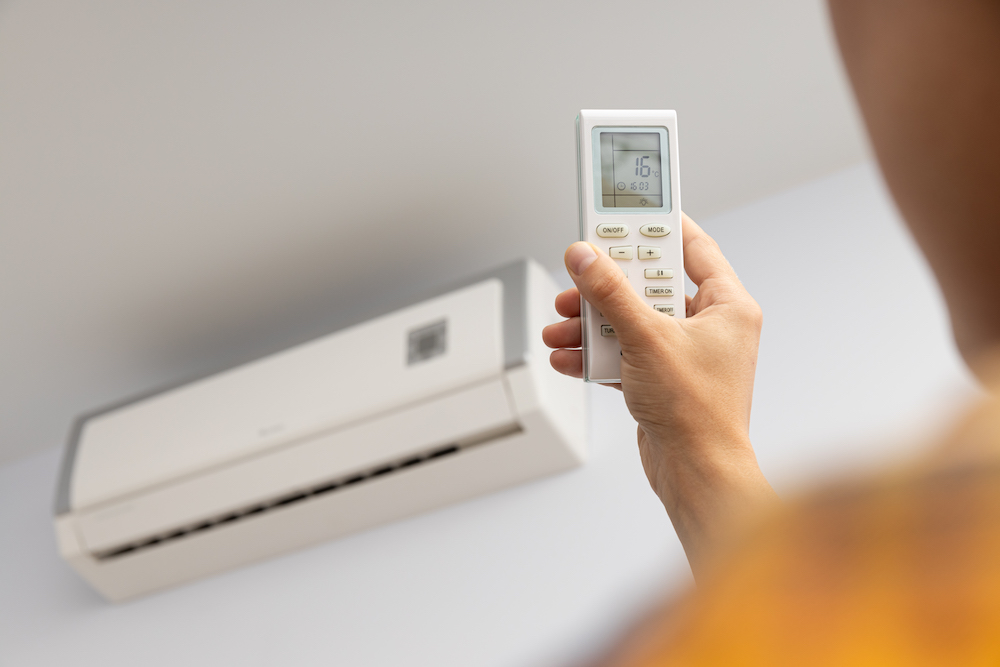
Here are some practical tips to enjoy your AC more effectively and efficiently:
- Regular maintenance: Change your air filter regularly (every 1-3 months) to ensure proper airflow and prevent your AC from working harder than it needs to.
- Seal air leaks: Caulk around windows and doors to prevent drafts and keep the cool air inside.
- Use a programmable thermostat: Set your thermostat to a higher temperature when you're away from home and lower it when you're back. This can save you a significant amount of energy.
- Keep blinds and curtains closed: During the hottest part of the day, close your blinds and curtains to block out sunlight and reduce the amount of heat entering your home.
- Consider ceiling fans: Ceiling fans can help circulate cool air and make you feel more comfortable, even at a higher thermostat setting.
By following these tips and understanding how your AC system operates, you can enjoy a comfortable and energy-efficient home all summer long. And that's something we can all appreciate!