
How Long Should A Refrigerator Run Between Cycles

Have you ever stopped to listen to your refrigerator? Really listen? It’s a constant companion, humming along in the background, a steadfast friend keeping your snacks chilled and your milk fresh. But have you ever wondered about its on-again, off-again relationship with... itself?
The Secret Life of Your Fridge: Cycles, Sighs, and Silent Judgements
We're talking about refrigerator cycles, of course! That rhythmic humming that fades into a peaceful silence, only to return again later. It's like a tiny, metal-clad dragon breathing fire (or, you know, cold air) at regular intervals.
How long should it run? Well, that’s the million-dollar question, isn't it? The answer, like most things in life, is “it depends.” But don't worry, we'll break it down.
Must Read
Decoding the Hum: What Your Fridge is Trying to Tell You
Imagine your fridge is a marathon runner. It can't sprint forever; it needs breaks. These breaks are the "off" part of the cycle.
A normal refrigerator cycle can last anywhere from 4 to 8 hours. So if your fridge is running almost constantly, or only cutting off for a few minutes, something might be amiss.
Think of it like this: if your fridge is always “on,” it's like a puppy that never sleeps – cute at first, but eventually, you'll both be exhausted! Let's explore some clues as to why your fridge might be overworking.
The Case of the Non-Stop Fridge: Is Something Wrong?
A constantly running fridge is usually a sign of overwork. It's struggling to maintain the desired temperature, and that could be due to various reasons. Let’s play detective!
First, check the door seals. Are they clean, intact, and making good contact with the fridge frame? A worn seal is like a leaky boat – cold air escapes, and warm air sneaks in, forcing your fridge to work harder.
Imagine your fridge with a slightly ajar door: All the cold air is rushing out, just like a drafty old house!
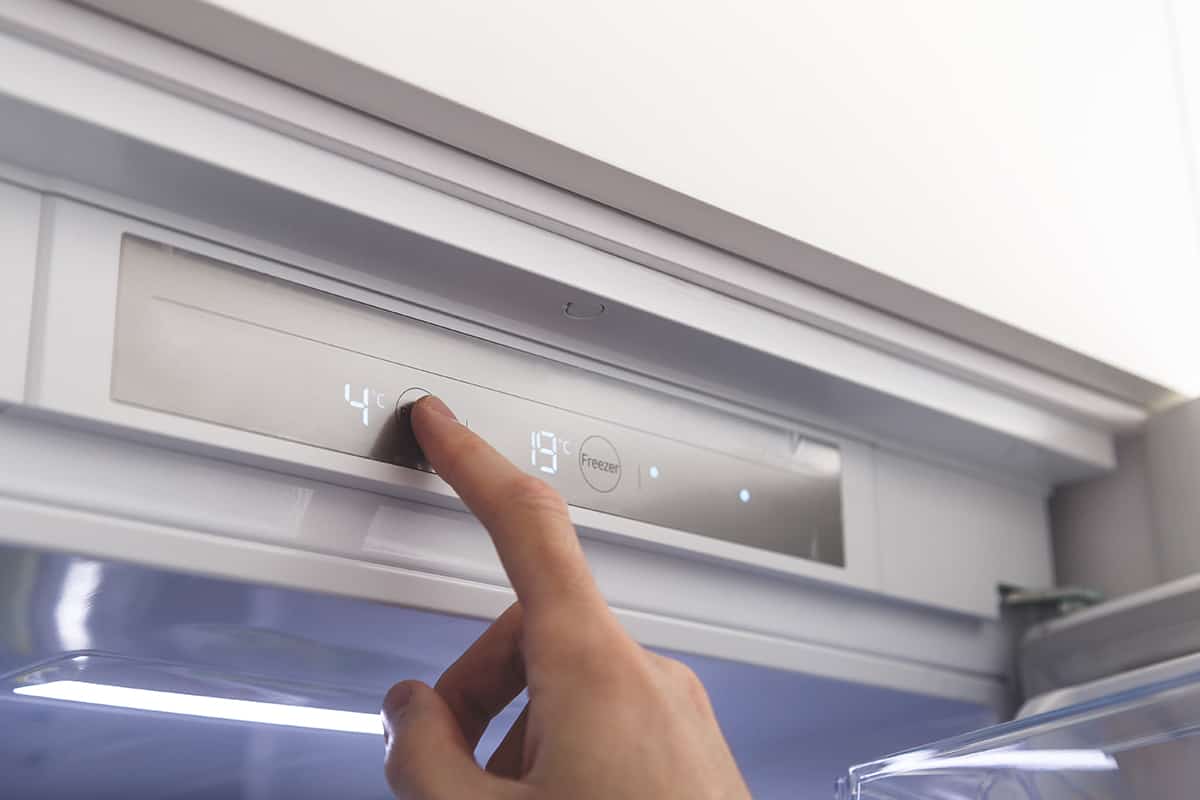
Next, consider the placement of your fridge. Is it basking in direct sunlight, or snuggled up next to a heat-producing appliance like an oven? This extra heat makes its job considerably harder.
Finally, check the temperature settings. Is the thermostat set too low? Your fridge might be working overtime trying to achieve an unnecessarily frigid temperature.
The Opposite Problem: When Silence Isn't Golden
What if your fridge doesn't run enough? This is less common, but it's still something to consider.
If your fridge isn't running enough, things might not be cold enough. Food spoilage could become a serious issue.
Make sure the thermostat is properly set. If it’s set too high, the fridge may not cycle on when it needs to. It's like a sleepy watchman refusing to do its job!
A possible explanation might be a malfunctioning thermostat. If the thermostat isn't reading the internal temperature accurately, your fridge won't know when to turn on.

Refrigerator Zen: Finding the Right Rhythm
Ultimately, understanding your refrigerator's cycles is about achieving a sense of harmony. It’s about finding the right balance between on and off, cold and… slightly less cold.
It's about ensuring your fridge is working efficiently, keeping your food fresh, and saving you money on your energy bill. It’s a win-win-win!
Pay attention to the sounds your fridge makes. Become attuned to its rhythms. It's like learning the language of a beloved pet. The best thing to do is to use all five senses to gauge the state of your kitchen companion. Can you hear the motor running too often or not at all? Can you feel drafts around the door? Does your nose detect funky smells in your fridge?
Troubleshooting Tips for the Everyday Fridge Whisperer
So, you’ve listened to your fridge, observed its behavior, and you suspect something isn’t quite right. What can you do? Fear not, aspiring fridge whisperer! Here are a few simple troubleshooting tips.
Clean the Condenser Coils. These coils, usually located at the back or bottom of your fridge, release heat. If they're covered in dust and grime, they can't do their job effectively, forcing the fridge to work harder. This is often the most overlooked culprit, but you'll be surprised at how much it can help!
Defrost Regularly. If you have a manual defrost fridge, make sure to defrost it regularly. Excessive ice buildup reduces efficiency and can cause the fridge to run longer.
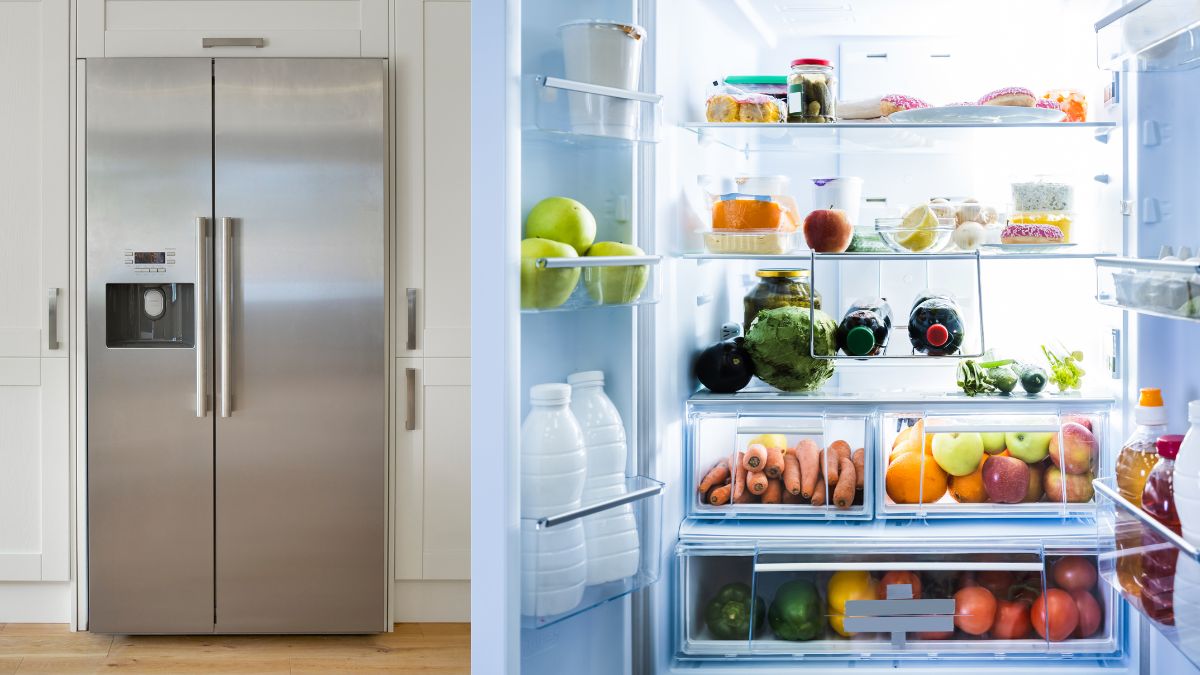
Don’t Overfill Your Fridge. Overcrowding restricts airflow, making it harder for the fridge to maintain a consistent temperature. Plus, who can even find anything in a packed fridge anyway?
Check the Door Seals Again! We can't stress this enough. A good seal is crucial for efficient operation. A simple test is to close a dollar bill in the door. If you can pull it out easily, the seal isn’t tight enough.
When to Call the Professionals: Knowing Your Limits
While many refrigerator issues can be addressed with a little DIY effort, there are times when it’s best to call in the professionals. If you’ve tried the troubleshooting steps above and your fridge is still behaving strangely, it’s time to seek expert help.
Refrigerant leaks, compressor issues, and electrical problems are best left to qualified technicians. Messing with these components yourself can be dangerous and could potentially void your warranty.
Remember, a little knowledge is a powerful thing, but knowing your limits is even more important.
The Heartwarming Truth: Your Fridge is Your Food's Best Friend
At the end of the day, your refrigerator is more than just a cold box. It’s a guardian of your groceries, a preserver of leftovers, and a silent partner in your culinary adventures.

By understanding its cycles and addressing its needs, you’re not just prolonging its lifespan; you’re nurturing a relationship with one of the most essential appliances in your home. You're also preventing food waste, which is a win for your wallet and the planet!
So, the next time you hear your refrigerator humming, take a moment to appreciate its tireless efforts. It’s working hard to keep your food fresh, your drinks chilled, and your life a little bit easier. It may be a machine, but it's a machine with a purpose. A noble purpose, indeed.
Remember: A happy fridge equals a happy you (and happy food!).
And who knows, maybe one day you'll even find yourself whispering sweet nothings to your trusty, cold companion. (We won't judge.)
But seriously, it helps you save money and waste less food! Cheers to you and your refrigerated pal.
Now go forth and listen to the beautiful music of your ice-cold guardian.
You'll be surprised what you might learn!