How Long Should A Baby Be In A Car Seat
There's a special kind of magic that comes with having a baby, isn't there? From those first tiny toes to their infectious giggles, every moment is precious. And as parents, our number one priority is keeping these little humans safe, especially when we venture out into the big wide world. That’s where the car seat comes in – our trusty co-pilot and the unsung hero of countless family adventures, from quick runs to the grocery store to epic road trips visiting grandparents. We use it because it's the ultimate promise of protection, a tangible representation of our love, ensuring our most precious cargo is secure on every journey.
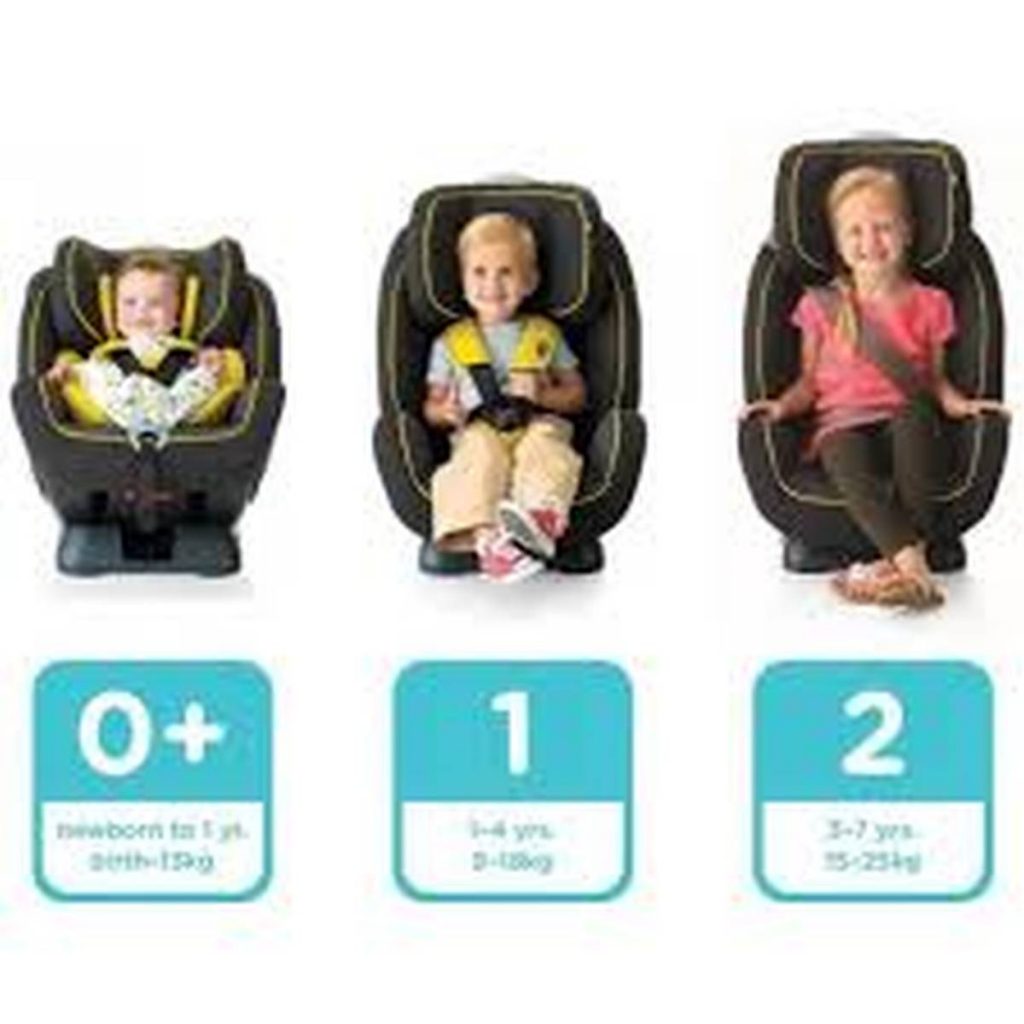
The car seat isn't just a convenience; it's a lifesaving piece of equipment. Its primary purpose is to protect your child in the event of a sudden stop or, heaven forbid, a collision. Designed with incredible engineering and rigorous safety standards, it cushions, restrains, and distributes forces in a way that dramatically reduces the risk of injury. From the moment you leave the hospital, a car seat is required by law, and for good reason. It provides invaluable peace of mind, knowing that whether you're just popping to the doctor's or heading out for a longer excursion, your little one is snugly and securely buckled in. We apply this essential safety measure in almost every aspect of daily life, making sure our infants are rear-facing, then transitioning to forward-facing seats, and eventually to booster seats as they grow, always adapting to their changing needs.
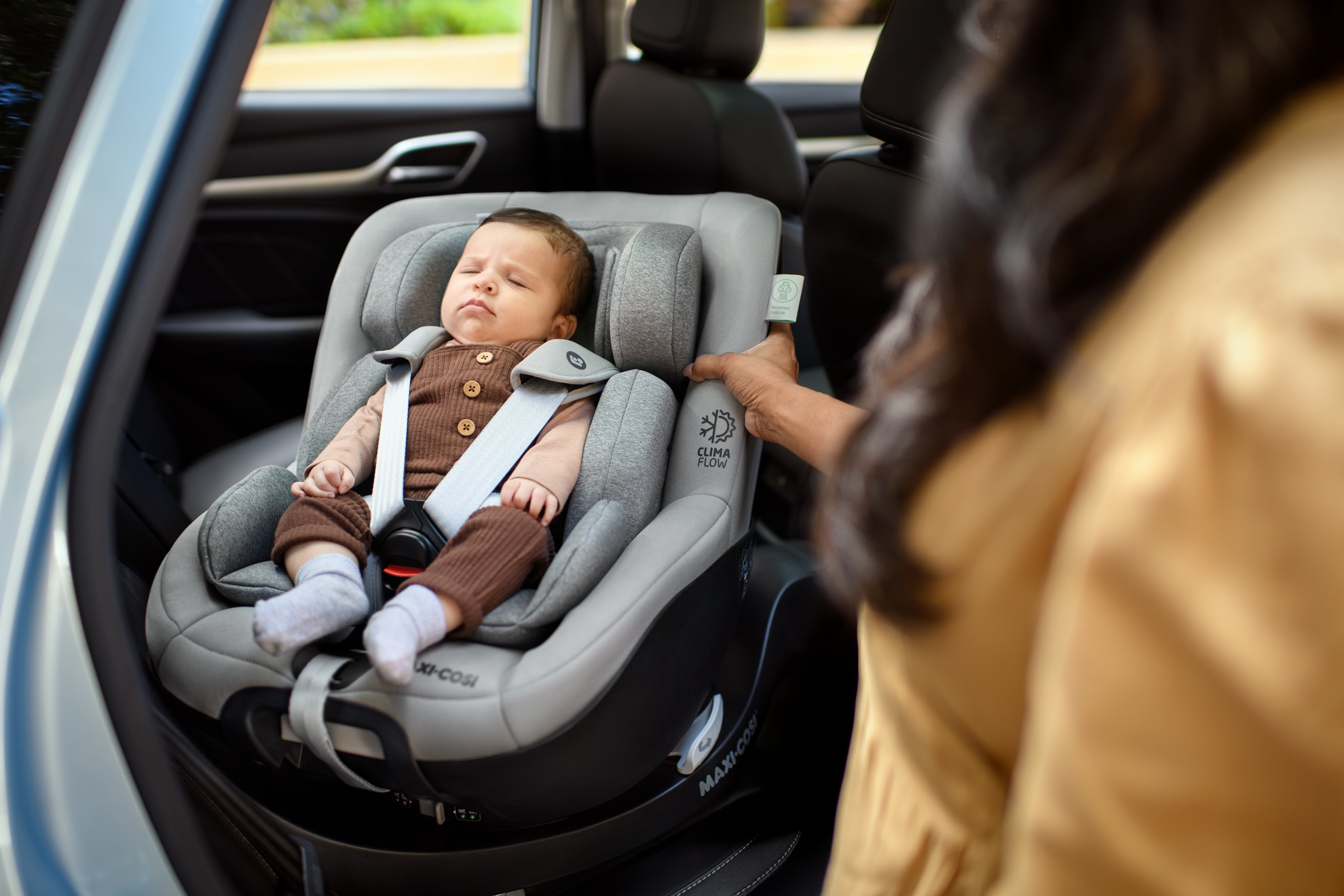
So, we know it's crucial, but here's the burning question every parent asks: how long should a baby really be in a car seat? For newborns and young infants (especially those under 4-6 weeks), the general advice is to limit continuous time in a car seat to no more than two hours at a stretch. This isn't just a suggestion; it's important. Prolonged time in the semi-reclined position can potentially affect a baby’s breathing, leading to a condition called positional asphyxia, and it's also not ideal for their developing spine. Think of it as a pit stop for your tiny VIP. For longer journeys, plan frequent breaks – every couple of hours, pull over, get your baby out of the car seat, let them stretch, feed, change their nappy, and have some tummy time or cuddles. This helps with circulation, muscle development, and gives them a much-needed change of position.
Must Read
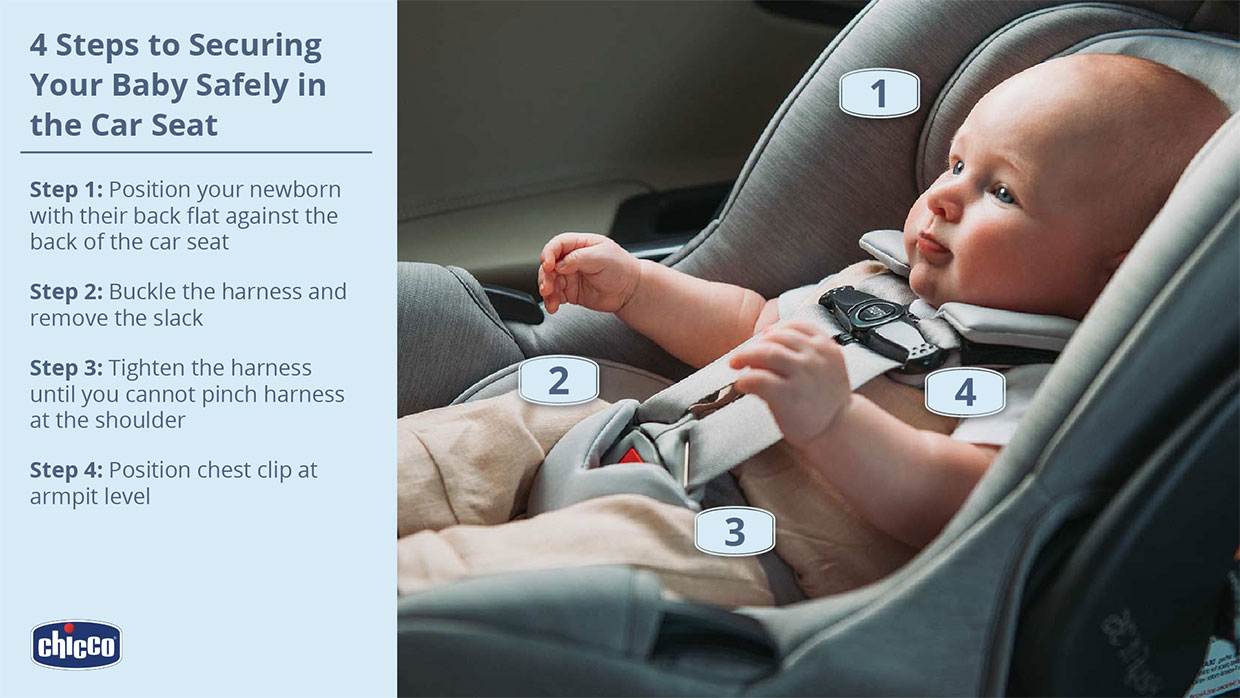
To enjoy your car seat experience most effectively and safely, always ensure the seat is installed correctly according to the manufacturer’s instructions and your vehicle’s manual. A properly installed seat is paramount. Double-check that the harness straps are snug and correctly positioned at or below the shoulders for rear-facing infants, and at or above for forward-facing children. Make sure the car seat is the right fit for your child's age and size. And remember, while wonderfully safe for travel, a car seat is not designed for extended sleep outside the car. Once you've reached your destination, transfer your sleeping baby to a safe sleep surface like a crib or bassinet. By understanding the 'how' and 'how long,' you're not just ensuring safety; you're fostering healthy development and making every journey a little less stressful and a lot more enjoyable for everyone involved.