
How Long Is Unopened Milk Good For After Expiration Date

Hey there, milk enthusiast! Ever peeked into your fridge, grabbed that carton of milk, and then – dun, dun, DUN! – spotted the dreaded expiration date staring back at you? We've all been there. You're probably wondering, “Is this milk destined for the drain? Or can I risk a swig?” Let's dive into the fascinating world of post-expiration milk and discover the secrets to safe (and delicious!) dairy consumption. Because, frankly, wasting food is no fun at all. And saving money? Now that's a party!
First things first: Deciphering the Date! Now, it's important to understand that the date printed on your milk carton isn't necessarily an expiration date. Gasp! It’s often a “sell-by” or “best by” date. This means the milk is at its absolute peak freshness and flavor before that date. After that date, it doesn't magically transform into a curdled monster. It just might not be quite as perfect. Think of it like this: it's still invited to the party, just maybe not the headliner.
Sniff, Swirl, and Survey: Your Milk Detective Kit
So, how do you determine if your unopened milk is still good after the mystical date? It's time to put on your detective hat and engage your senses! (Yes, even that one that's been neglected since…well, you know.)
Must Read
The Sniff Test: The Most Reliable Tool. This is your first line of defense. Give that carton a good, honest sniff. Does it smell…off? Sour? Like something you wouldn’t want to willingly put in your mouth? Trust your gut (and your nose!). If it smells bad, it probably is bad. Don't even risk it. Seriously, there are plenty of other adventures to be had without playing milk roulette. But if it smells normal, proceed with caution!
The Visual Inspection: Look Closely! Now, pour a small amount of the milk into a glass. Does it look curdled? Are there any lumps or strange textures floating about? Fresh milk should be smooth and consistent. If you see anything weird, it's a no-go. Think of it as spotting a suspicious character in a movie – probably best to steer clear.
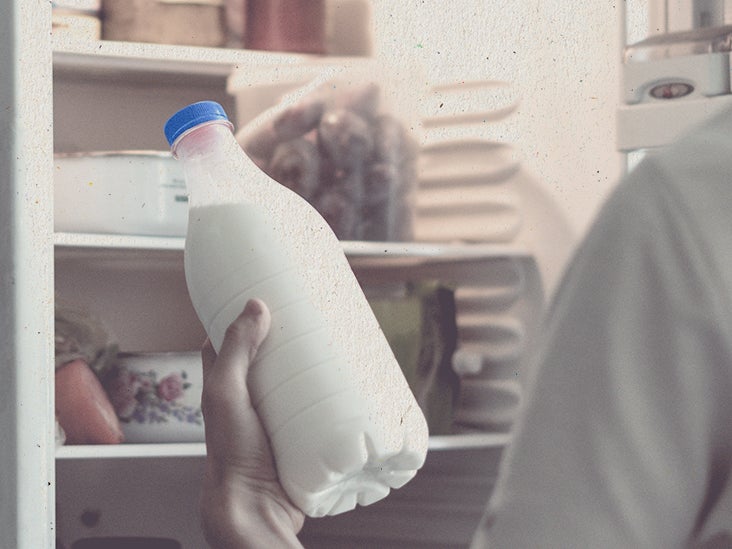
The Tiny Taste Test: Only if you dare! Okay, if the sniff test and visual inspection pass, you can cautiously proceed to a small taste. Emphasis on small. Just a tiny sip. If it tastes sour or off in any way, spit it out and toss the milk. No shame in admitting defeat! Your taste buds will thank you.
Factors Affecting Milk Longevity: It’s a Science!
Several factors influence how long your unopened milk stays fresh beyond the date on the carton.

Pasteurization: The Good Guy. Pasteurization is a heat treatment that kills harmful bacteria and extends the shelf life of milk. Most milk you buy in the grocery store is pasteurized, so give pasteurization a thank you for your milk's increased lifespan.
Ultra-Pasteurization (UHT): The Superhero. UHT milk is heated to an even higher temperature, extending its shelf life even further. This is often the kind of milk you find in shelf-stable cartons that don't need refrigeration until opened. Seriously, it's like milk magic!
Storage Temperature: Keep it Cold! Milk should be stored at a consistent temperature of 40°F (4°C) or below. Fluctuations in temperature can accelerate spoilage. So, don't leave your milk out on the counter for too long – treat it like the precious commodity it is!

Type of Milk: Not All Milk Is Created Equal. Different types of milk (whole, skim, almond, soy, etc.) have varying shelf lives. Generally, milk with a higher fat content tends to spoil slightly faster. Plant-based milks also have their own unique characteristics when it comes to shelf life, so it’s a good idea to check the packaging.
General Guidelines: A Rule of Thumb (or Two!)
While the sniff, swirl, and survey method is your best bet, here are some general guidelines:
- Pasteurized Milk: Typically good for about 5-7 days after the sell-by date, assuming it's been stored properly.
- UHT Milk: Can last for several weeks or even months unopened. Check the packaging for specific instructions.
Important note: These are just estimates. Always use your senses to determine if milk is safe to consume. Your nose knows! (Okay, I'll stop with the nose puns… maybe.)
So, there you have it! A comprehensive guide to navigating the murky waters of post-expiration milk. Remember, it's all about using your senses, understanding the factors that affect milk longevity, and being a responsible milk consumer. Now go forth, conquer your fridge, and enjoy that glass of milk with confidence (and maybe a cookie or two!).
Ready to become a kitchen whiz? There’s a whole universe of fascinating food science just waiting to be explored. Start with a simple Google search about food safety or fermentation. You'll be amazed at how much you can learn! And who knows, maybe you'll even discover your next culinary passion. The adventure awaits!