
How Long Is Stuff Good In The Fridge Without Power
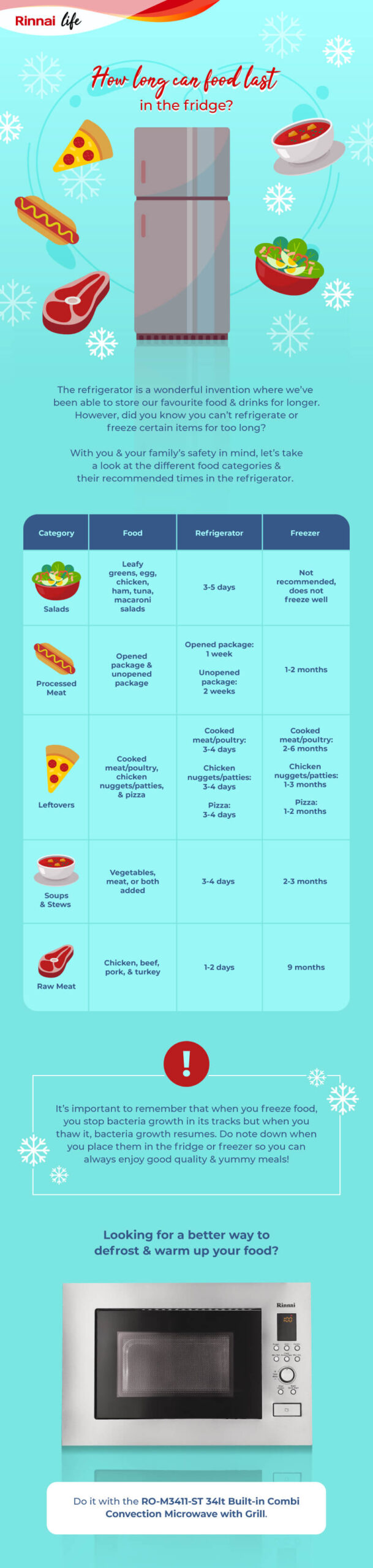
Okay, folks, let's talk fridge survival. Specifically, fridge survival after the power goes out. We've all been there, right? Staring into the darkness, wondering if that chicken is still...chicken.
The official word? Four hours. That's what they tell you. Four hours and everything is basically toxic waste.
But I'm here to say... maybe not?
Must Read
The Four-Hour Myth (Probably)
Seriously, four hours? I suspect this number was invented by food safety regulators sitting in climate controlled offices.
They probably haven’t stared down a questionable container of leftovers with a rumbling tummy. We’re not all tossing everything at 4:01, are we?
I mean, come on. Our grandmothers survived without electricity for goodness sake.
Dairy Dilemmas
Milk? The enemy. I admit it. Milk is a diva. It sours at the slightest inconvenience.
If you suspect it’s been warm in the fridge for longer than, say, a tense episode of your favorite show, ditch it.
Yogurt? Marginally better. Hard cheese? Surprisingly resilient. I’m talking cheddar, parmesan, that kinda thing.
Cream cheese? Look, just open it and sniff. Your nose knows.
Meat Mayhem
Raw meat is a ticking time bomb. I'm not messing around with raw chicken, ever. That's asking for trouble. Don't risk it.
Cooked meat, however, is a different story. Especially if it's been properly stored. Maybe a day or so longer than they say. But again: sniff test!
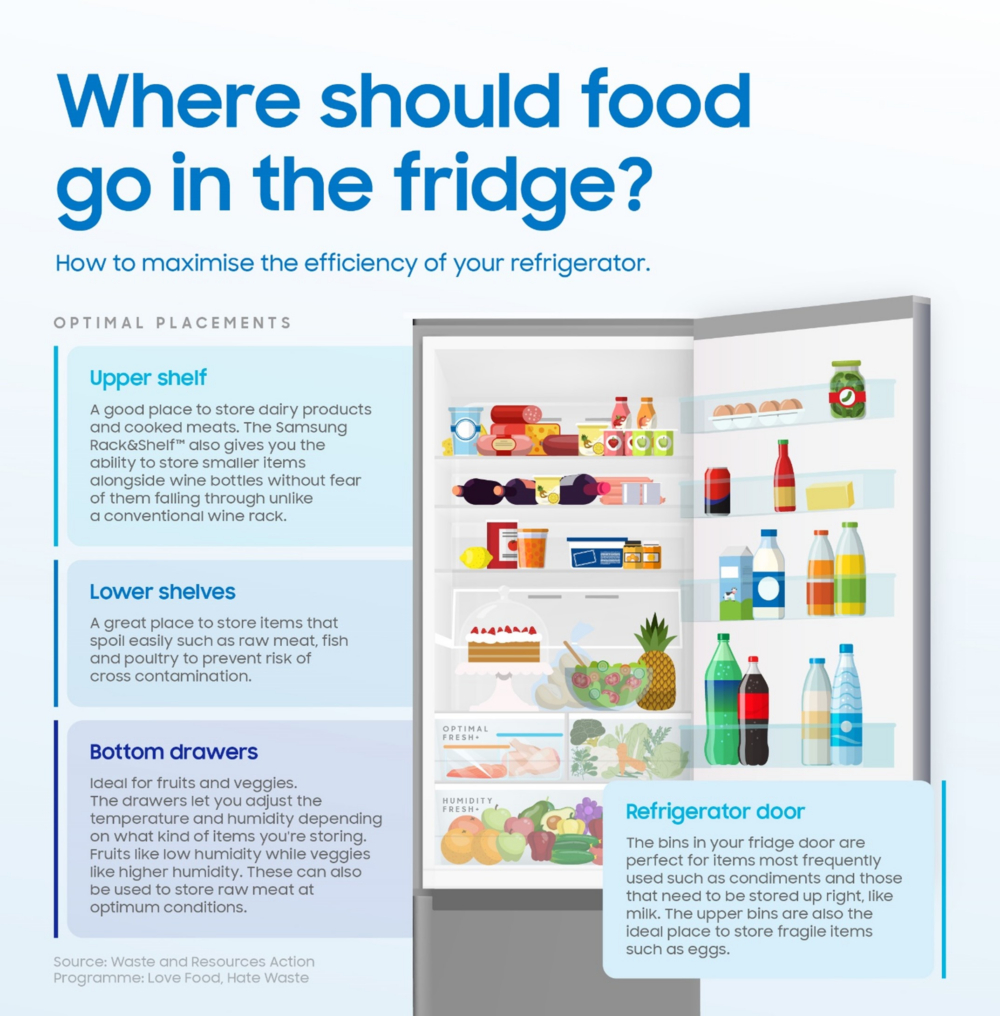
Processed meats? Hot dogs? Spam? Well, they're already questionable with power. Just kidding! (Mostly).
Egg Escapades
Eggs. The great debate. Officially, they need to be refrigerated. But let's be real, Europe doesn’t refrigerate their eggs.
My advice? If they’ve been out for a few hours, cook 'em up ASAP. And maybe make sure they're really well done.
Hard boiled eggs? Another sniff test situation. If they smell like sulfur, they're out!
Condiment Conundrums
Ketchup? Mustard? These things are basically preservatives themselves. They'll be fine. Seriously.
Mayonnaise? Tricky. Especially homemade mayo. But store-bought mayo? Probably okay for a bit. Again: Nose Knows!
Salad dressing? Most are vinegar-based, so they're relatively safe.
Produce Predicaments
Veggies are generally pretty hardy. They might get a little wilted, but they're usually not going to kill you. Unless you’re allergic.
Leafy greens? Use your best judgment. If they're slimy, they're done.
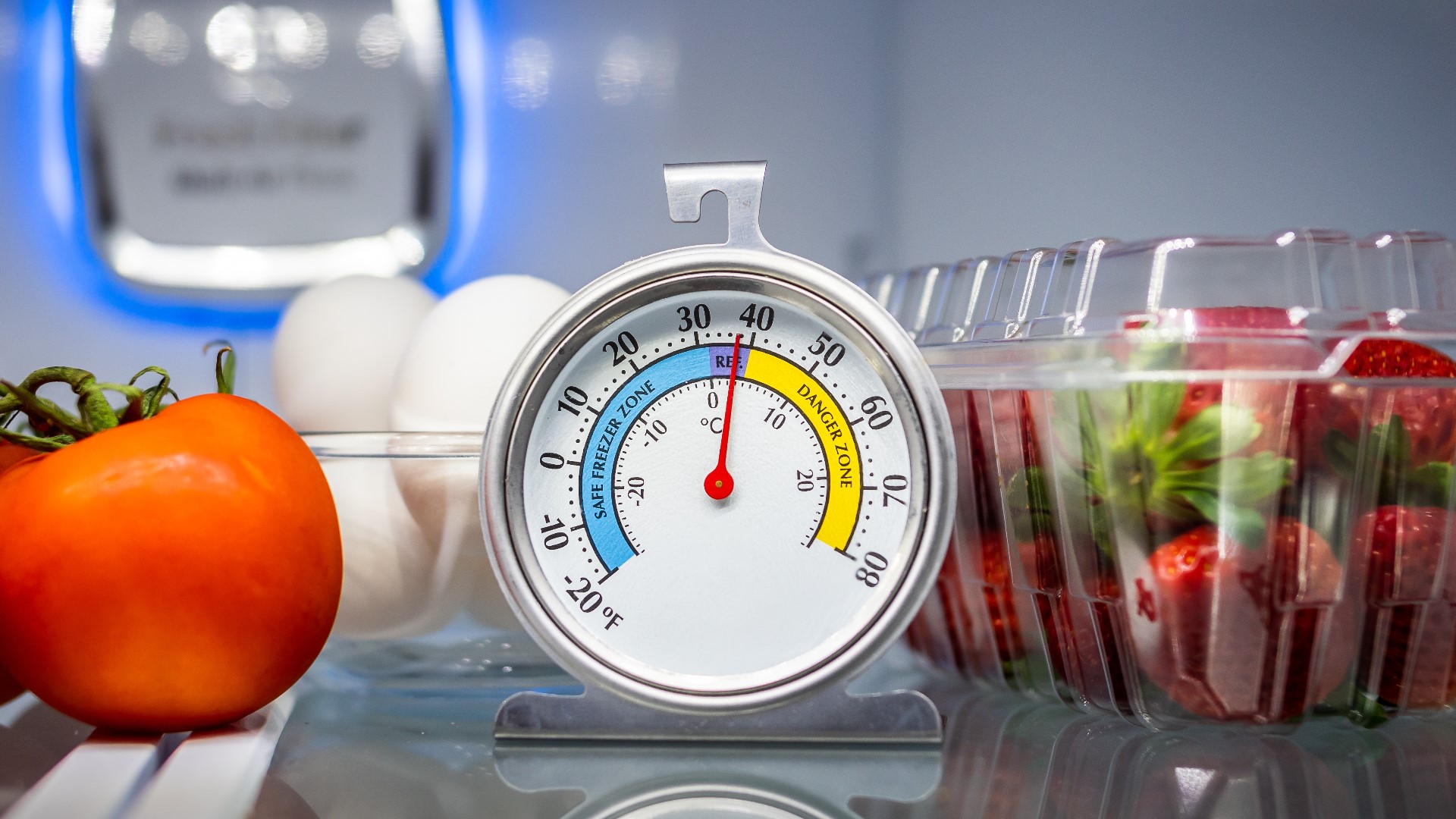
Fruits? Same deal. Bruising is fine. Mold is not.
The Unpopular Opinion: Trust Your Senses
Here it is. My deeply unpopular opinion. Trust your senses. Smell it. Look at it. Touch it. If it seems off, it probably is.
I know, I know. Food safety experts are screaming. But honestly, our ancestors survived for millennia without USDA guidelines.
Your nose and your gut (literally and figuratively) are pretty good indicators. Use them!
The Exception to the Rule: Compromised Immune Systems
Okay, full disclosure. If you're pregnant, elderly, have a compromised immune system, or are feeding small children, throw everything out after four hours. Seriously.
It's not worth the risk.
But for the rest of us relatively healthy adults? A little common sense goes a long way.
The Freezer Factor
Let's not forget the freezer! The freezer is your friend in a power outage. It keeps things cold for much longer.
A full freezer can keep food frozen for up to 48 hours. A half-full freezer? About 24 hours.
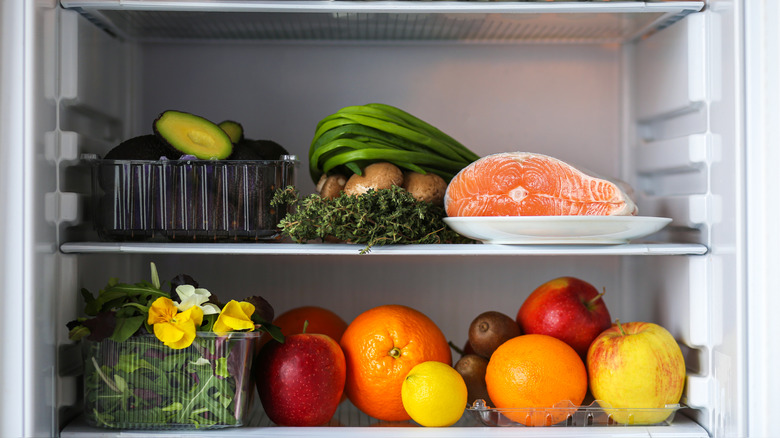
Don’t open it unless you absolutely have to!
Freezer Failsafes
If you know a power outage is coming, freeze some water bottles. They'll act as ice packs and help keep things cold.
Also, group food together in the freezer. It helps maintain a consistent temperature.
And for goodness sake, invest in a good cooler and some ice packs. They're invaluable during a power outage.
The Bottom Line (According to Me)
The official four-hour rule is a guideline, not a law etched in stone.
Use your common sense, trust your senses, and don't be afraid to bend the rules a little (responsibly!).
And maybe, just maybe, that leftover lasagna is still perfectly edible. Don't tell the food safety people I said that.
Remember: When in Doubt, Throw it Out (But Think First!)
Okay, I had to say it. "When in doubt, throw it out." That's the official line, and I'm obligated to repeat it.
But before you toss that perfectly good-looking piece of cheese, take a moment. Consider the circumstances.

Did the fridge stay relatively cold? Does it smell okay? Does it look okay?
If the answer to all those questions is yes, maybe, just maybe, you can get away with it.
The Power Outage Aftermath: Fridge Rehab
Once the power is back on, don't just shove everything back in the fridge and pretend nothing happened.
Give your fridge a good cleaning. Wipe down the shelves, get rid of any lingering odors, and make sure everything is properly sealed.
And maybe treat yourself to a nice meal. You deserve it after surviving a fridge apocalypse!
Final Thoughts: Be Prepared, Be Smart, Be (Slightly) Reckless
Power outages happen. Be prepared. Have a cooler, have ice packs, and know the basic food safety guidelines.
But also, don't be afraid to trust your instincts. Our bodies are pretty good at detecting spoiled food.
And remember, sometimes a little bit of risk is worth it for a tasty meal (that you hopefully won't regret later!). Just kidding! (Mostly)
Disclaimer: This article is for entertainment purposes only and should not be considered professional food safety advice. Always follow the guidelines provided by your local health authorities. Eat responsibly!