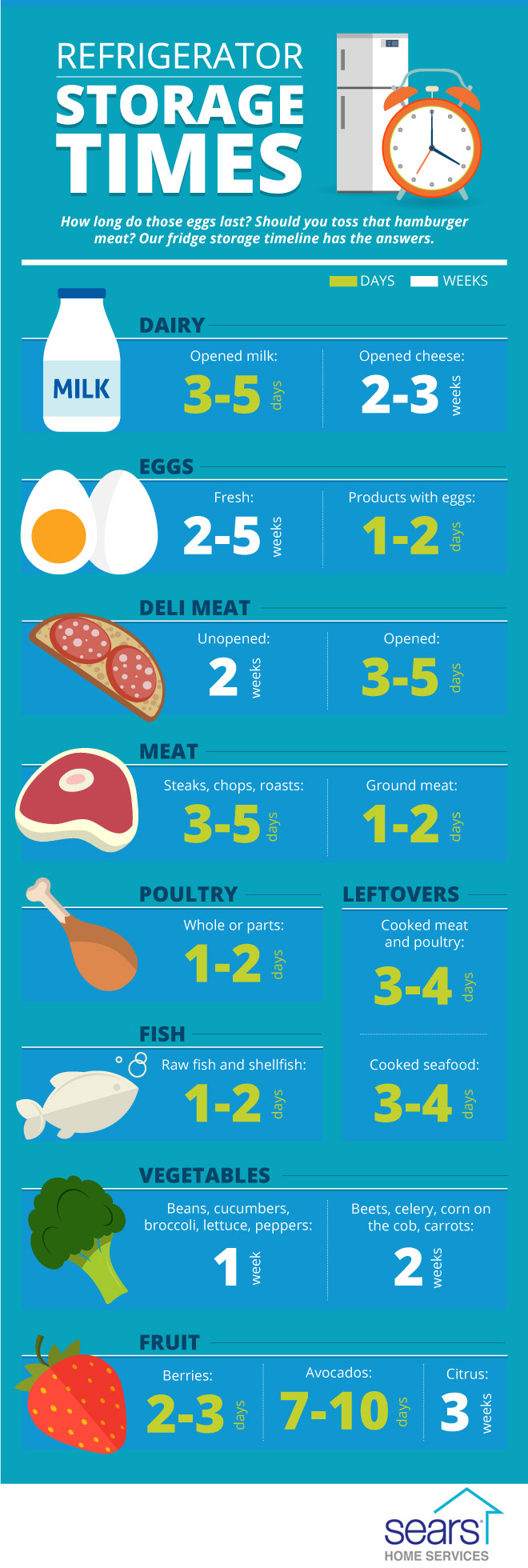
How Long Is Refrigerator Food Good Without Power

Alright, let's talk about something super important, yet often overlooked: your fridge during a power outage! I know, I know, it doesn't sound like the most exciting topic, but trust me, knowing this stuff can save you a ton of money, prevent a nasty tummy ache, and even make you feel like a total superhero in a crisis. Plus, who doesn’t love a little kitchen science?
So, the lights go out. Maybe it's a thunderstorm, maybe a rogue squirrel decided to mess with some power lines (it happens!), or maybe your utility company decided to give themselves a long weekend without telling you. The first question that pops into your head (after, "where's the flashlight?") is probably, "Oh no! What about the food?!" Well, fear not, my friend. We're about to break it down.
The Fridge: Your Cold Champion
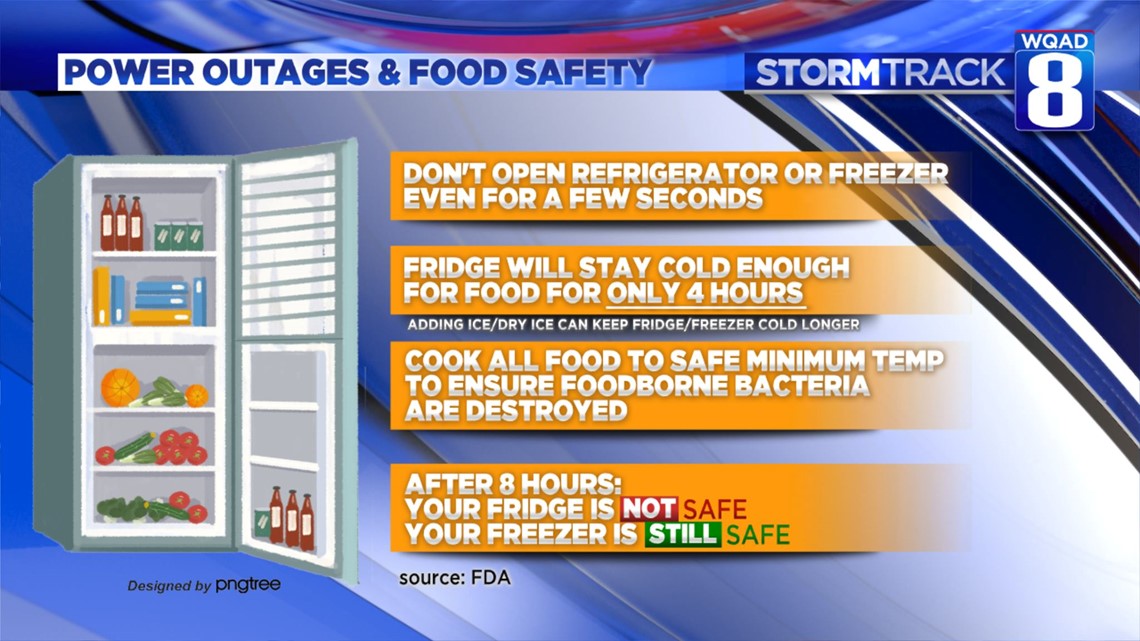
Let's start with the good news: your refrigerator is a surprisingly resilient champ when it comes to holding its own in a power outage. The key is to keep that door closed! Seriously, resist the urge to peek inside every five minutes. Every time you open that door, you're letting out the cold air and shortening the amount of time your food will stay safe.
Must Read
As a general rule, a fully stocked refrigerator will keep food safely cold for about four hours without power. Now, that's just an estimate, so there are a few things that can affect this timeframe.
- How full is your fridge? A full fridge stays colder longer because there's more thermal mass. Think of it like a big block of ice versus a few ice cubes – the big block takes longer to melt.
- How often do you open the door? As mentioned earlier, resist the temptation! Every peek lets precious cold air escape. Pretend it's a vault filled with gold (or, you know, delicious leftovers).
- What's the temperature setting? Ideally, your fridge should be at or below 40°F (4°C). The colder it is to begin with, the longer it will stay cold.
Basically, if you have a fully packed fridge, and you're diligent about keeping the door shut, you're in a much better position than someone with a sparsely populated fridge who's constantly checking on the pickle supply.

The Freezer: The Long-Haul Hero
The freezer is the real MVP in this scenario. It's designed to keep things frozen solid, and it's much better at maintaining its temperature without power than the fridge. A full freezer will typically keep food frozen safely for about 48 hours (that's two whole days!). A half-full freezer will keep food frozen for about 24 hours.
Again, the same rules apply: keep that door closed! Every time you open the freezer, you're letting warm air in and accelerating the thawing process.
What to Do During and After the Outage
Okay, so you know how long your food should stay safe. Now what? Here's a little game plan.
- Monitor the situation. Stay informed about the outage and how long it's expected to last. Your local news, utility company, or even a weather app can provide updates.
- Don't open the doors! I can't stress this enough. Pretend your fridge and freezer are off-limits.
- Prepare for the worst. If the outage is going to last longer than the recommended times, consider transferring perishable foods to a cooler with ice.
- Check your food! Once the power is back on, assess the situation. Use a food thermometer to check the internal temperature of potentially risky items like meat, poultry, seafood, eggs, and leftovers. If they've been above 40°F (4°C) for more than two hours, it's time to toss them. When in doubt, throw it out! It’s better to be safe than sorry!
Signs of Spoiled Food
Sometimes it's obvious when food has gone bad: funky smells, slimy textures, discoloration, mold... eww! But other times, it's more subtle. Here are a few things to look out for:
- Dairy products: Sour smell, curdled appearance.
- Meat and poultry: Off odor, slimy texture, or unusual color.
- Seafood: Fishy odor, slimy texture.
- Cooked food: Any sign of spoilage, even a slight change in odor or texture, is a red flag.
Remember, your senses are your friends! If something doesn't look, smell, or feel right, don't risk it. Your gut will thank you.
A Little Knowledge, a Lot of Confidence
See? It's not so scary, is it? With a little bit of knowledge and some proactive planning, you can navigate a power outage like a pro and keep your food (and yourself!) safe and sound. And you know what? This is just the tip of the iceberg! There's a whole world of food safety and preservation out there to explore. Why not dive in and learn more about canning, dehydrating, or even fermentation? Imagine being able to create your own delicious and shelf-stable foods – talk about a superpower! Go forth, be curious, and conquer your kitchen! You've got this!