How Long Is Food In Fridge Good Without Power

Let's face it, nobody wants to think about food spoilage. But understanding how long your refrigerated goodies are safe during a power outage is surprisingly empowering (pun intended!). It's like having a superpower – the ability to minimize food waste and, more importantly, prevent anyone in your household from getting sick. So, while it might not be the most glamorous topic, knowing the fridge-survival timeline is practical and definitely worthwhile.
The purpose of knowing these guidelines is simple: food safety. But the benefits extend to different groups in different ways. For beginners, it's all about avoiding obvious pitfalls – like tossing everything the second the lights flicker. Families with kids, especially, can appreciate the peace of mind knowing they're not serving spoiled snacks. And for hobbyists – the serious cooks and food preservers among us – it’s about protecting those carefully crafted creations and minimizing waste of valuable ingredients.
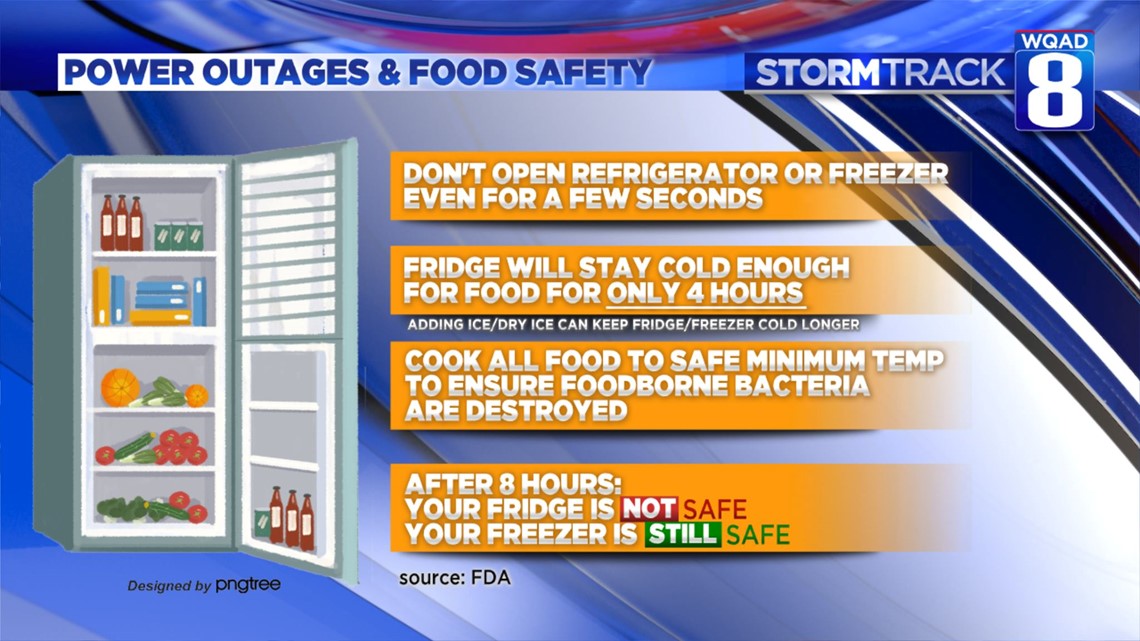
Okay, so what's the magic number? As a general rule, a refrigerator will keep food safely cold for about 4 hours during a power outage if the door remains closed. Think of it like a well-insulated cooler. After that, things get a bit…iffy. A full freezer, on the other hand, will hold its temperature for approximately 48 hours (or 24 hours if it’s only half full). These are estimates, of course, and several factors influence them. An older, less efficient refrigerator might lose temperature faster than a newer model. The ambient temperature in your kitchen plays a role, too – a sweltering summer day will speed up the thawing process.
Must Read
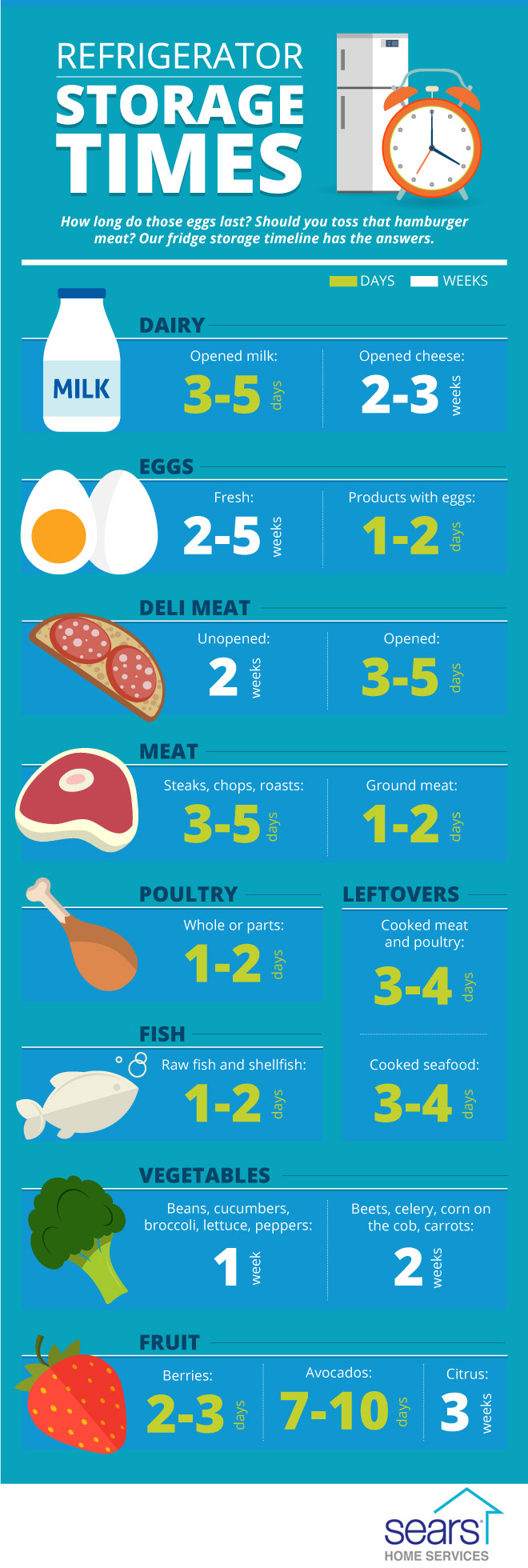
There are variations to consider. Certain foods are more susceptible to spoilage than others. Meat, poultry, fish, eggs, and dairy products are high-risk and need to be treated with extra caution. If these items have been at room temperature for more than two hours, it’s generally best to discard them. Hard cheeses and processed foods, on the other hand, might be more forgiving. But when in doubt, throw it out! It's better to be safe than sorry.
Here are a few simple, practical tips to get you started and stay ahead of the game:
- Keep an appliance thermometer in your fridge and freezer. This allows you to monitor the internal temperature during an outage.
- Freeze containers of water to create ice packs. These can be used to keep food cold in coolers if the outage is prolonged.
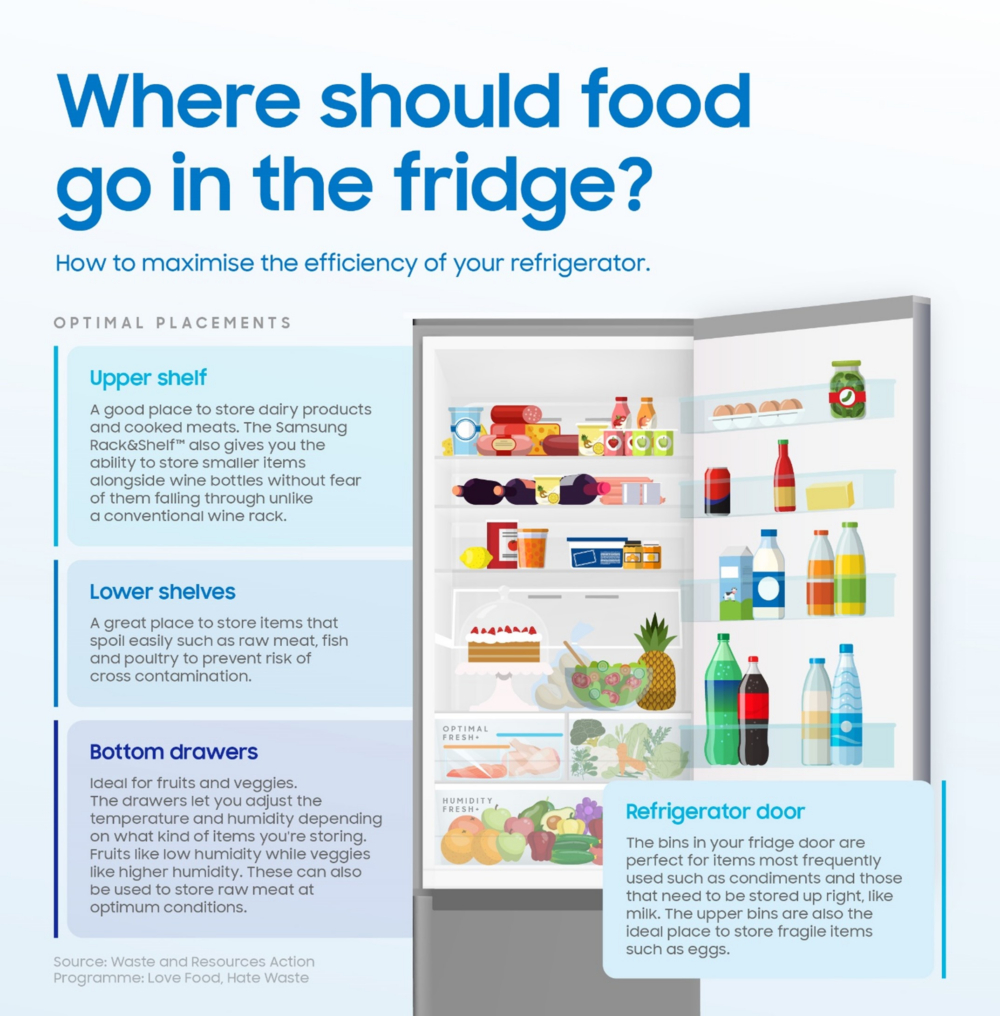
- Group food together in the refrigerator and freezer. This helps maintain a colder temperature.
- Don’t open the refrigerator or freezer door unnecessarily. Every time you open the door, you let cold air escape and warm air enter.
- After power is restored, check the temperature of your food. If the refrigerator temperature is above 40°F (4°C) for more than two hours, discard any perishable food.
Knowing how long your food is safe in the fridge during a power outage isn't just about avoiding a stomach ache. It's about being prepared, minimizing waste, and protecting your family's health. It's a simple piece of knowledge that provides a surprising amount of control and peace of mind. So, embrace your newfound food-safety superpower – you'll be glad you did!