How Long Is Food Good In A Freezer Without Power

Let's face it, freezers are magical boxes. They take our precious groceries and suspend them in a state of delicious, icy limbo. But what happens when the power goes out? It's a question that's both a little scary and surprisingly empowering to know the answer to! Because understanding how long your food stays safe in a powerless freezer isn't just about avoiding food waste; it's about protecting your health and potentially saving a lot of money. Think of it as becoming a freezer-survival expert – a skill everyone can use!
The purpose of knowing these guidelines is simple: to determine if your frozen food is still safe to eat after a power outage. The main benefit? Avoiding food poisoning! Nobody wants a stomach ache from questionable meat. Plus, properly assessing your frozen stash can prevent you from needlessly tossing out perfectly good food. It's a win-win for your health and your wallet.
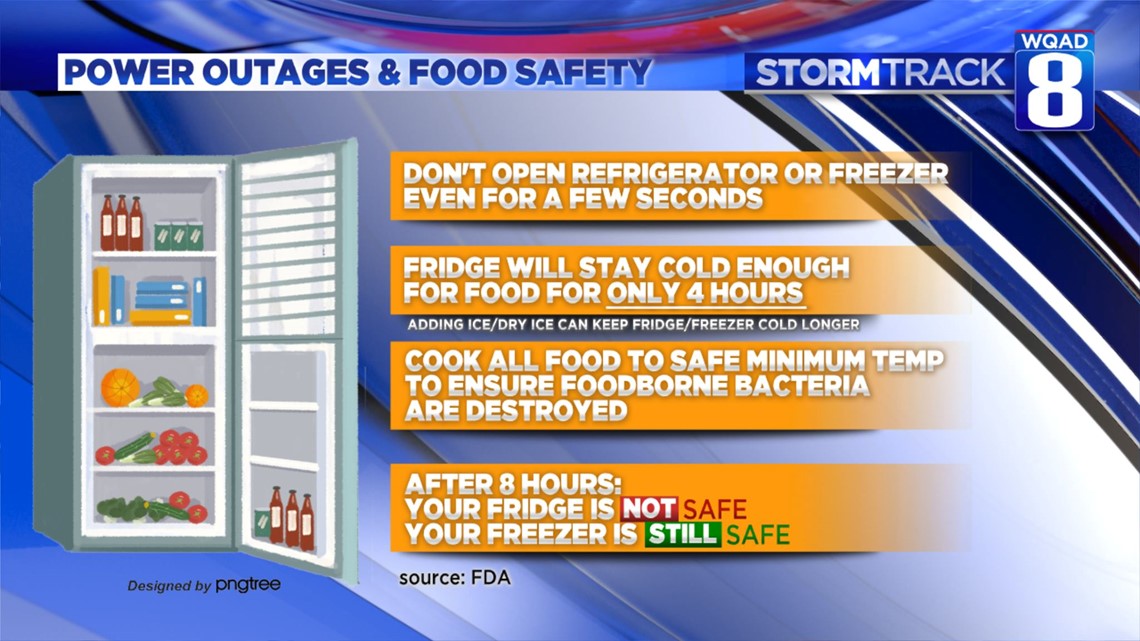
So, how long does food stay good in a freezer without power? The general rule of thumb is this: a fully stocked freezer will hold its temperature for approximately 48 hours (two days) if the door remains closed. A half-full freezer will keep food frozen for around 24 hours (one day). Think of all that frozen broccoli and ice cream huddled together, insulating each other like penguins!
Must Read
Why the difference between a full and half-full freezer? It's all about thermal mass. A full freezer has more frozen mass, meaning it takes longer for that mass to thaw. More frozen food acts like a giant ice pack, keeping everything else cold. That air space in a half-full freezer? It warms up much faster. That's why keeping your freezer as full as possible is a good idea, even before a potential power outage. Consider filling empty space with jugs of water – they'll freeze and help maintain the temperature if the power goes out.
Important caveat: Keeping the door closed is absolutely crucial. Every time you open the freezer, you're letting cold air escape and warm air rush in, drastically reducing the amount of time your food will stay frozen. Resist the urge to peek inside and assess the situation unless absolutely necessary! Think of it like opening the oven while baking – it messes everything up!
How do you know if your food is still safe? The key is to look for ice crystals. If the food still contains ice crystals or feels cold and firm, it's generally safe to refreeze. However, if the food has completely thawed and is at room temperature, it's best to err on the side of caution and discard it. When in doubt, throw it out! Also, be mindful of changes in color or odor. If something looks or smells off, trust your instincts.
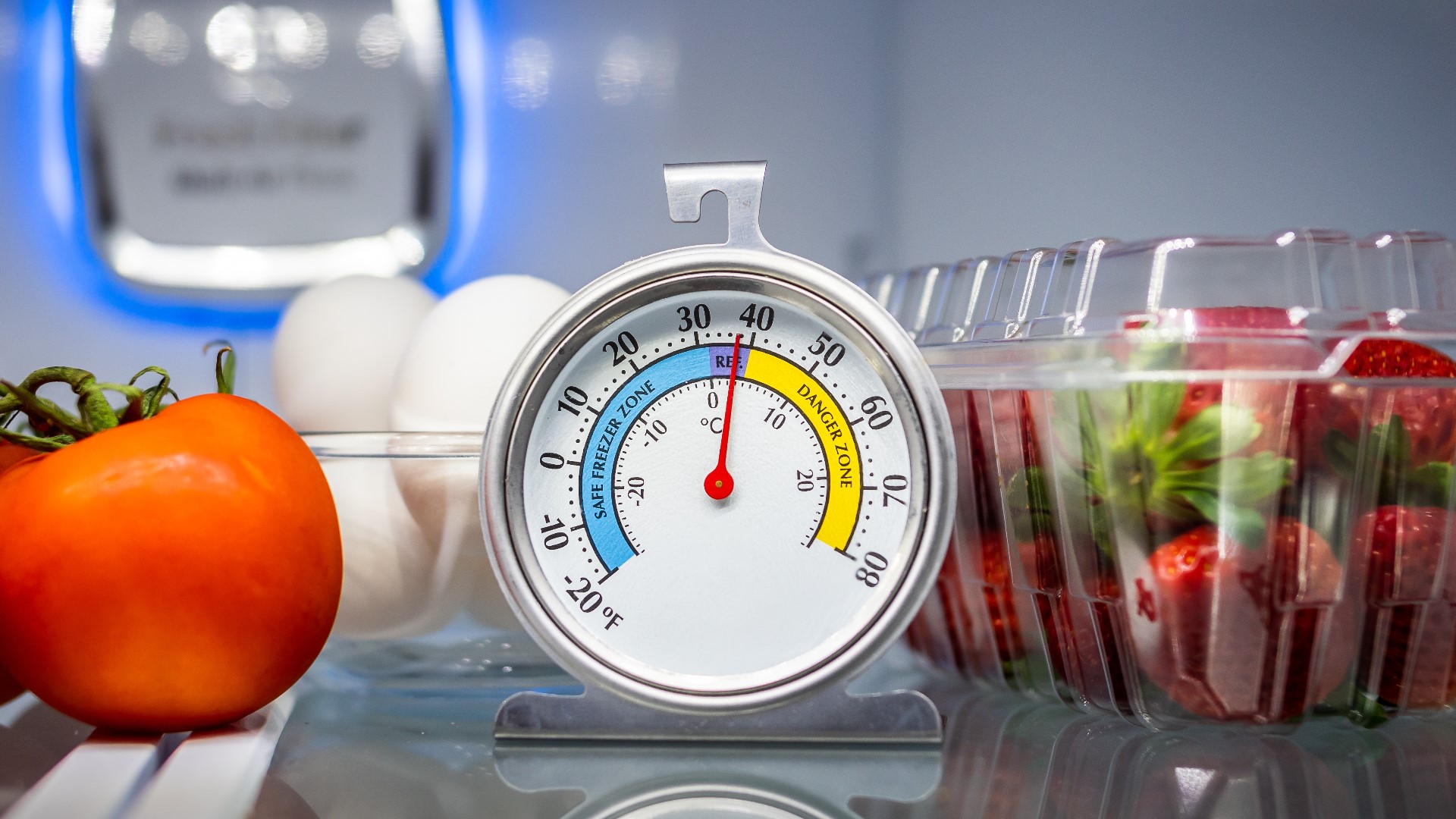
Finally, invest in a good freezer thermometer. This will give you a more accurate reading of the internal temperature and help you make informed decisions about your food's safety. Being prepared and knowing these guidelines can turn a potentially stressful power outage into a manageable situation. Now, go forth and conquer your freezer with confidence!