
How Long Is A Safety 1st Car Seat Good For

Okay, let's talk car seats. Not exactly the most thrilling topic at first glance, right? Unless you're a parent, in which case it's probably one of the top five things you obsess over daily. But guess what? We're about to dive into something so wonderfully weird about car seats that it might just blow your mind. Or at least make you chuckle.
Ever wondered if your trusty Safety 1st car seat has a secret sell-by date? Like a carton of milk, but for tiny humans? Spoiler alert: it absolutely does! And no, we're not pulling your leg. This isn't some elaborate prank. Car seats, including your beloved Safety 1st, come with an expiration date. Wild, right?
Hold Up, Car Seats Expire?! Why?!
It sounds bizarre. A chunk of plastic and fabric, just sitting there, not doing much, yet it has an expiry date. What's the deal? Is it going to curdle? Sprout mold? Turn into a pumpkin at midnight? Not quite, but the reasons are actually pretty fascinating and, dare I say, kind of logical once you get past the initial shock.
Must Read
Think about it this way: your car seat is a superhero. It's designed to protect your most precious cargo in the event of, well, anything unexpected. And superheroes need to be in tip-top shape!
The Great Plastic Peril (and other fun facts!)
The biggest culprit in this expiration mystery is the plastic itself. Your car seat spends its entire life in your vehicle. That means it’s constantly baking in the summer sun, freezing in winter, and getting bounced around on countless adventures. This constant exposure to extreme temperatures and UV rays does a number on plastic. Over time, it can degrade.

Imagine leaving a plastic garden chair outside for years. It gets brittle, right? Cracks appear. That’s essentially what happens on a microscopic level to your car seat’s structural components. This isn't a "poof, it's gone!" situation, but rather a gradual weakening that could compromise its ability to perform perfectly in a crash. And when it comes to your kiddo, "compromised" is a word we definitely don't want in the same sentence as "safety."
Then there's the foam and fabric. Over years of squishing, spills (oh, the spills!), and general wear and tear, the energy-absorbing foam can compress and become less effective. The harness straps can fray or stretch. Even the buckles can get gunked up or just simply worn down. These aren't just aesthetic issues; they're all part of the intricate dance that keeps your child secure.
Technology Marches On (and so do car seat designs!)
Here’s another cool reason: technology evolves. Safety standards aren't set in stone. Every few years, engineers discover new, even better ways to protect kids in cars. Think about how much phones have changed in 7-10 years. From flip phones to pocket computers! The same, albeit less flashy, evolution happens with car seats. A seat manufactured a decade ago might not incorporate the latest, most effective safety features that are now standard. Manufacturers want to ensure every child gets the absolute best protection available.
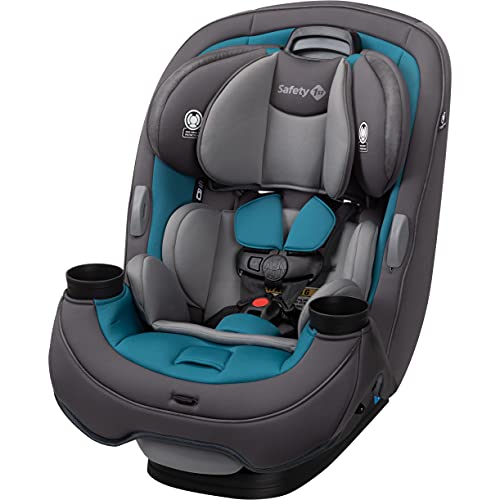
Also, keeping track of every single model and its parts from 10+ years ago becomes an impossible task for manufacturers. They often stop producing replacement parts for older models. If something breaks, you'd be out of luck!
So, How Long Is a Safety 1st Car Seat Good For?
Generally speaking, most car seats, including those from Safety 1st, have an expiration date of six to ten years from the date of manufacture. A common sweet spot is around seven years. But here’s the crucial bit: you absolutely need to check your specific seat!

Where to Find This Magical Date?
Don't fret, it's not hidden in a secret compartment only accessible by a tiny gnome. Manufacturers are pretty good about making this information accessible.
- Look for a sticker on the side, back, or bottom of the car seat. It will typically state both the date of manufacture (DOM) and the expiration date.
- Sometimes, the date might be stamped directly into the plastic. You might have to hunt a little, or even get out a flashlight and put on your reading glasses (welcome to parenthood!).
- And yes, that thick manual you probably filed away the moment you installed the seat? It's in there too. Go on, admit it, you probably haven't seen it since.
What Happens When It's Time to Say Goodbye?
When your car seat reaches its expiration date, it's time to retire it. Even if it looks brand new, even if it's been lovingly cared for and never involved in a crash. Expired means expired.
Do NOT resell it. Seriously, don't. You might think you're helping another parent save a buck, but you could be unknowingly putting a child at risk. Instead, be a car seat superhero and make it unusable. Cut the straps, remove the cover, and recycle what you can according to your local guidelines. Some communities even have recycling programs specifically for car seats! Check with your local waste management.

Why This Is Actually Kinda Fun to Talk About
Admit it, there's a certain weird satisfaction in knowing a niche piece of information like this. You can now casually drop this bomb at your next playdate: "Did you know car seats expire like yogurt?" Watch their eyes widen! It's like being part of an exclusive club of informed parents.
Plus, it’s a tangible way to show your little one just how much you care. You're not just buckling them in; you're ensuring they have the very best, up-to-date protection available. And knowing that gives you a little peace of mind, which, let's be honest, is a parent's most precious commodity.
So, next time you're giving that car seat a quick clean, take a moment. Find that date. Be the hero. And maybe, just maybe, give that trusty old seat a silent nod of appreciation for all its hard, expired work!