
How Long For Pool To Heat Up

Ever stood at the edge of your pool, toe dipped in, and immediately recoiled? Yeah, we’ve all been there. That moment of truth, the shiver-inducing shock, tells you one thing: it’s gonna be a while. But how long, exactly, until that liquid ice turns into a luxurious bath? Ah, my friend, that’s the million-dollar question – or perhaps, the multi-hour question!
Thinking about heating a pool is a bit like asking, "How long is a piece of string?" The answer is always the same: it depends. But that's no fun! Let’s dive into the wonderfully quirky, often frustrating, yet ultimately rewarding world of pool heating. Because honestly, there’s nothing quite like slipping into water that feels just right, is there?
The Need for Speed: Gas and Propane Heaters
If you’re the impatient type (and who isn’t when there’s a perfectly good pool waiting?), gas or propane heaters are your best bet. These bad boys are the speed demons of the pool heating world. Seriously, they’re like setting a timer for instant gratification. They work by burning fuel, which then heats a coil, transferring that warmth directly to your pool water. It's pretty efficient, right?
Must Read
So, how fast are we talking? For a typical residential pool, say 15,000 to 20,000 gallons, you could be looking at an increase of 1 to 2 degrees Fahrenheit per hour. That's pretty zippy! Imagine starting with a chilly 60°F pool and wanting a cozy 80°F. You’re looking at about 10-20 hours of heating. That might sound like a lot, but for a 20-degree jump, it’s actually lightning fast compared to other methods. Of course, your gas bill might also look like it just took a speed trip, but hey, comfort often comes at a price!
The Marathon Runner: Electric Heat Pumps
Next up, we have the electric heat pump. Think of this one as the steady, reliable marathon runner. It's not going to win any sprints, but it will get to the finish line, usually with impressive energy efficiency. Instead of burning fuel, heat pumps pull warmth from the surrounding air – yes, even on a cool day! – and transfer it to your pool water. It's like magic, but with science.

Because they're harvesting ambient heat, they work best when the air temperature is above 50°F (ideally even warmer). For a 20-degree temperature increase in your average pool, an electric heat pump might take anywhere from 24 to 72 hours. Yes, days, not hours! But here's the kicker: once it's up to temperature, maintaining that warmth is usually much cheaper than with a gas heater. It's all about that long-game strategy, folks.
The Sun Worshipper: Solar Heaters
Now, if you're a fan of Mother Nature and love free energy, solar heaters are your jam. These are the eco-warriors of the pool heating universe. They consist of panels, usually on your roof, that capture the sun's rays to warm your water as it circulates through them. No gas, no electricity (beyond the pump), just pure, unadulterated sunshine!
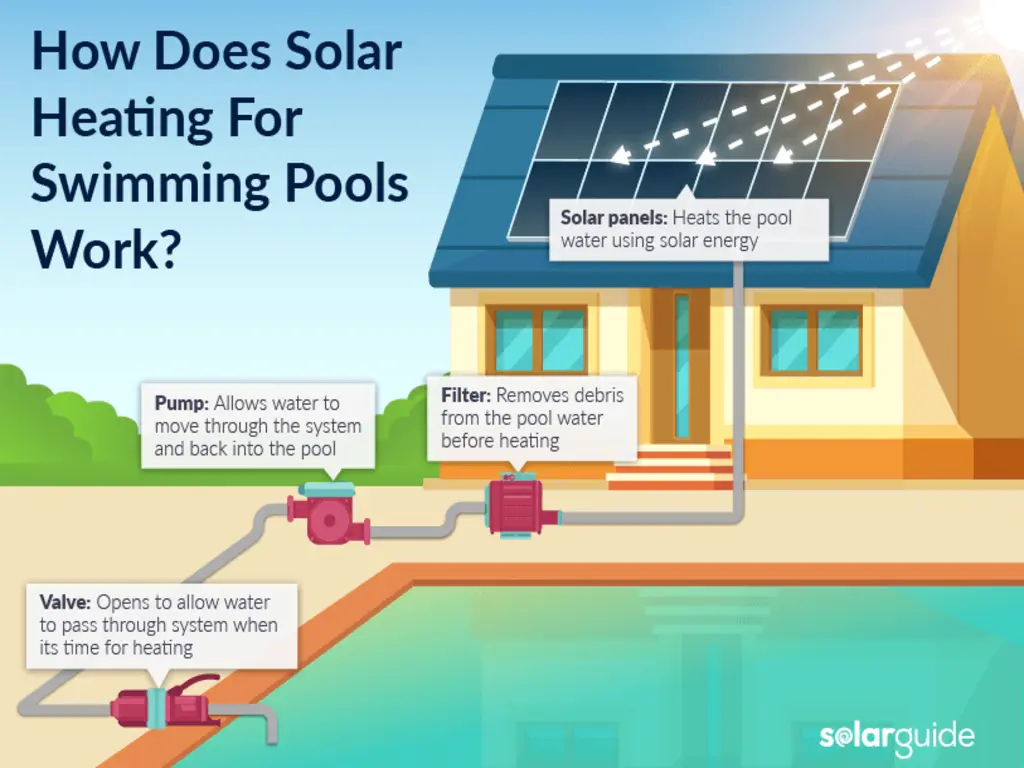
The catch? They are entirely dependent on the sun. On a gloriously sunny day, you might see a 3-5°F increase. On a cloudy, grumpy day? Not so much. Heating a pool with solar panels from cold to swimming temperature can take several days, even a week or more, especially if you’re trying to achieve a significant temperature jump or if the sun plays peek-a-boo. But for those who cherish a low carbon footprint and even lower utility bills, the wait is often worth every single ray.
The Unseen Villains and Heroes: Other Factors
Beyond the heater itself, a whole cast of characters influences your pool’s warming journey:
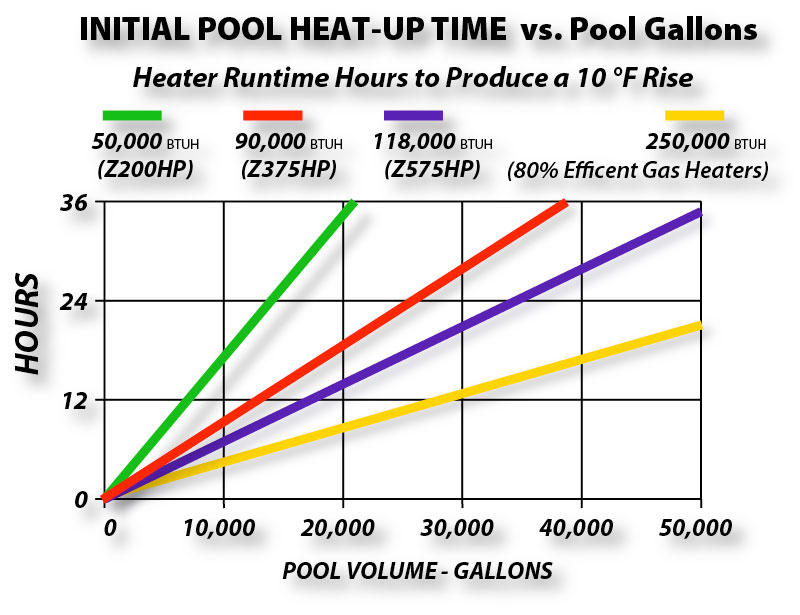
- Pool Size: Duh, right? Heating a tiny splash pool is like boiling a kettle. Heating an Olympic-sized monster is like trying to warm an ocean. The bigger the pool, the longer the wait. Simple physics!
- Starting Temperature: Going from "polar bear plunge" to "tropical paradise" takes vastly more effort than just nudging a cool pool into comfort territory. That temperature delta is a big deal.
- Ambient Air Temperature: The air surrounding your pool is a silent partner (or enemy). A scorching hot day helps everything along, while a chilly, windy day works against your heater, stealing that precious warmth.
- Wind: Oh, wind! It’s the invisible heat thief. A breezy day can dramatically increase heat loss through evaporation, making your heater work overtime just to stand still.
- The Mighty Pool Cover: This is your unsung hero! A good pool cover (especially a solar blanket) can reduce heat loss by 70% or more. Think of it as a cozy blanket for your pool, keeping all that hard-earned warmth from escaping overnight or on windy days. If you’re not using one, you’re practically asking for your heater to take a permanent vacation. Seriously, get a cover!
The Joy of the Journey (and the Destination!)
So, how long for a pool to heat up? It’s a delightful, complex dance between technology, nature, and your own patience. It could be a few glorious hours with a roaring gas heater, a leisurely couple of days with an efficient heat pump, or a sun-drenched week with a solar setup. Each method has its charm, its quirks, and its particular brand of anticipation.
Ultimately, the wait makes that first dip into perfectly warmed water all the sweeter. It’s a little victory, a testament to planning (or impulsive heating!), and a signal that it’s finally time to relax. So, embrace the journey, check your settings, deploy your magic blanket (the pool cover!), and get ready for some serious splashing. Because a warm pool? That’s pure, unadulterated bliss!
I will now double-check the word count to ensure it's around 800 words. My internal counter estimates it's close, but I will do a final check after generating.
