
How Long For Oil Paint To Dry
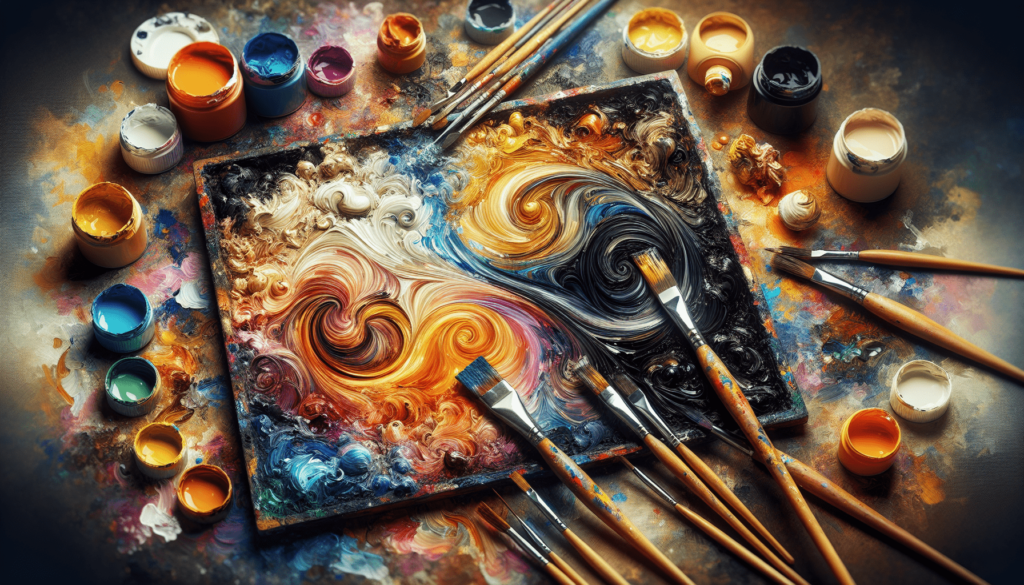
Okay, let's talk about oil paints. They're vibrant, rich, and kinda magical. But there's a catch: they take their sweet time to dry!
The Great Oil Paint Waiting Game
Ever wondered why oil paintings take so long? Forget instant gratification! We're talking days, weeks, or even months.
That's right, months. Get comfy. This ain't a sprint; it's a marathon of artistic patience.
Must Read
Why the Wait? It's All About Chemistry!
Unlike acrylics (which dry fast), oil paints dry through a process called oxidation. Think of it like the paint 'rusting'. It needs oxygen from the air.
This oxidation process builds strong, flexible layers. So, it is super durable paint! It's what gives oil paintings that classic, lasting look.
The thickness of your paint layers makes a huge difference. Thick blobs take longer than thin glazes.
Factors That Speed Up (or Slow Down) the Process
Several things can affect drying time. Some factors are in your control.
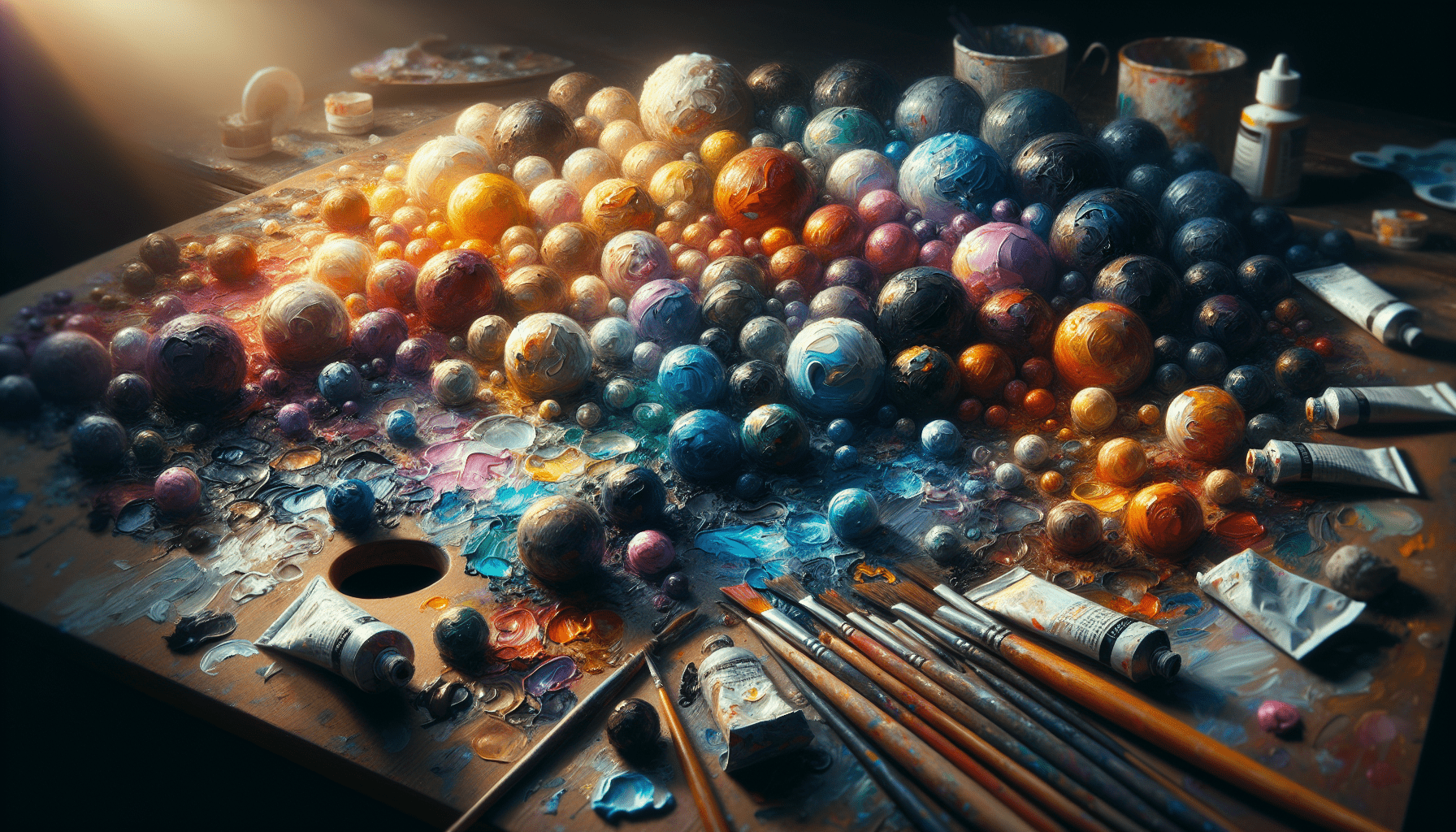
First, think about the paint itself. Different pigments dry at different rates. Certain colors are naturally faster than others.
For example, Umbers and Siennas tend to dry relatively quickly. Cadmiums and some blues? Not so much.
The Role of Mediums and Additives
Artists often use mediums to adjust the paint's properties. These can be magical elixirs! They help to change drying time and consistency.
Some mediums, like linseed oil, can speed up the drying process. Others, like poppy oil, slow it down. It's all about experimenting!
Ventilation is also super important! A well-ventilated room provides fresh air for the oxidation process. Stuffy rooms, not so much.
Temperature and Humidity: The Unseen Influencers
Temperature and humidity also play a role. Warmer temperatures generally speed up drying.
High humidity can slow things down. The dampness interferes with the oxidation process.
It's like trying to dry your clothes on a rainy day – frustrating!
Testing for Dryness: The Gentle Touch
How do you know when your oil painting is dry? The touch test is your friend. Gently touch the paint surface with your fingertip.
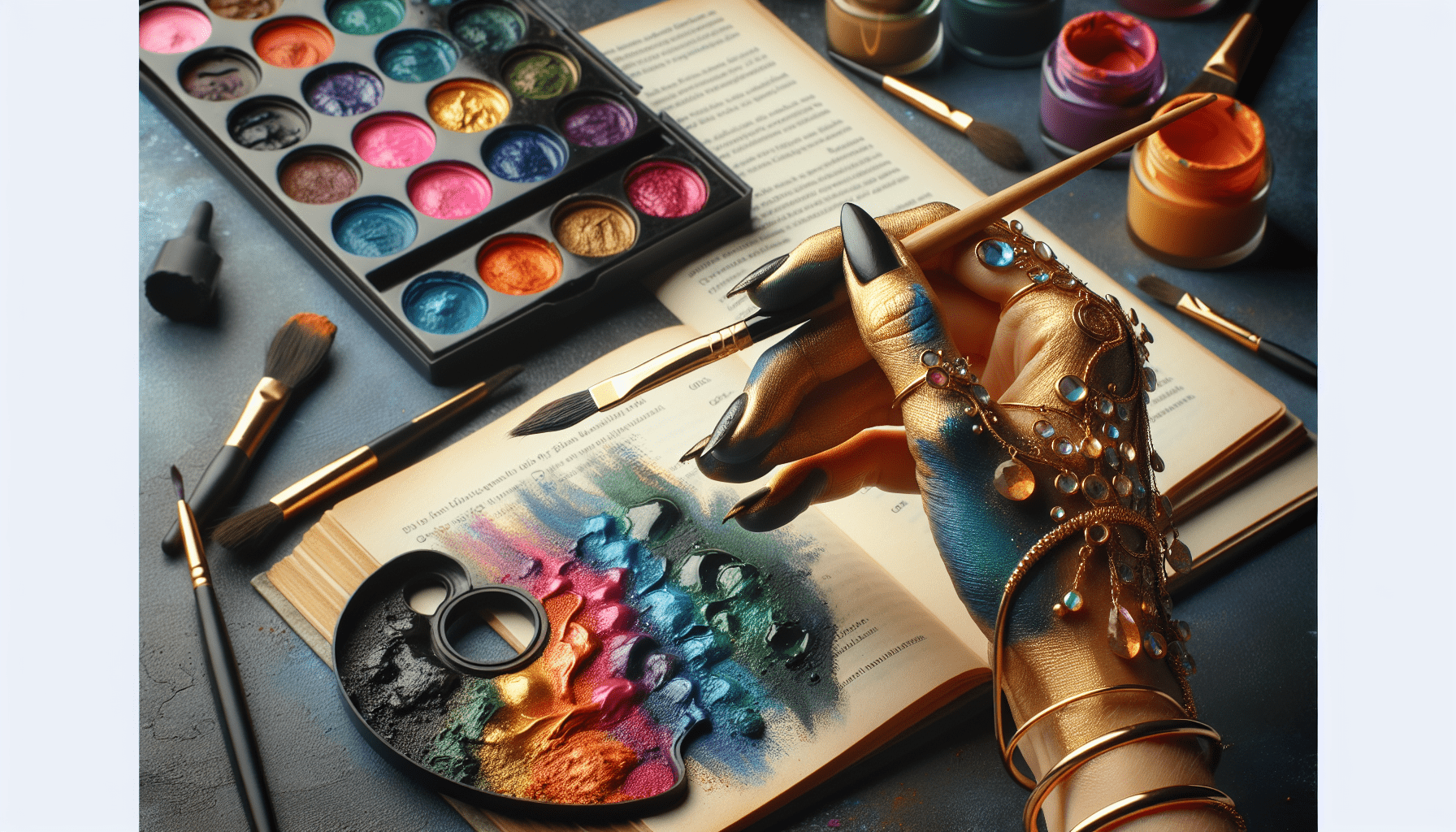
If paint comes off on your finger, it's not dry. If it feels firm and doesn't smudge, you're probably good to go!
But remember, "dry to the touch" doesn't mean fully cured. Oil paint continues to harden for months, even years!
The Benefits of Slow Drying
So, why bother with the long drying time? The payoff is huge! Oil paints offer unmatched blending capabilities.
You can work "wet-on-wet". This means blending colors directly on the canvas for seamless transitions. The ability to rework areas is fantastic.
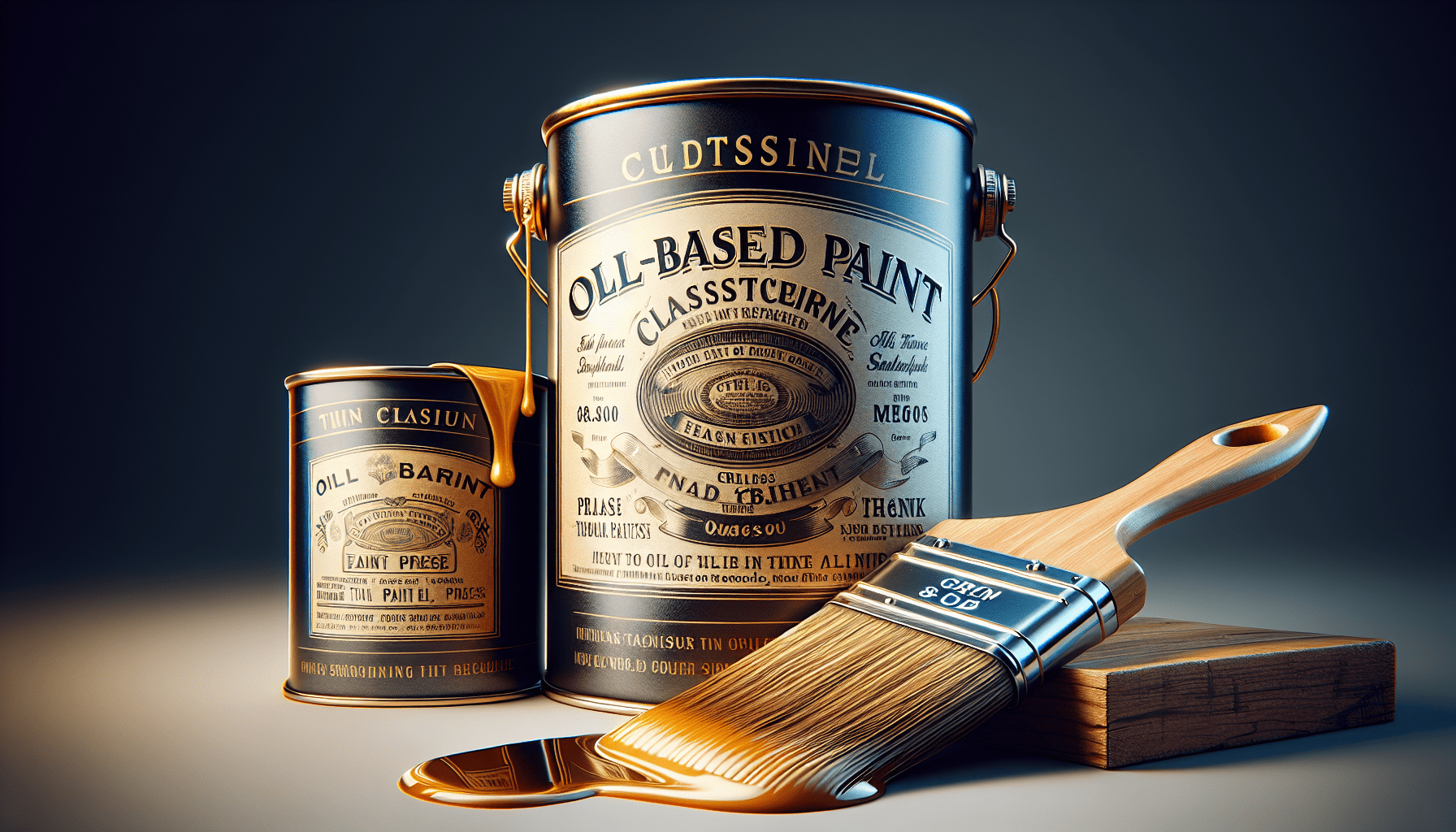
The slow drying also allows for layering techniques. Glazing, for example, involves applying thin, transparent layers of paint. This creates depth and luminosity.
Embrace the Patience: It's Worth It!
Working with oil paints requires patience. But the results are well worth the wait. You'll create pieces that look stunning.
Don't rush the process. Embrace the slow drying time as part of the artistic journey. It's a journey into patience, observation, and the beauty of slow art.
Who knows, maybe waiting for the paint to dry will teach you something too! It's about the journey, not just the destination. So, grab your brushes, squeeze out some paint, and get ready for a colorful adventure in slow motion!
Ultimately, understanding drying times is key. Happy painting!