
How Long Does Swiss Cheese Last In The Fridge
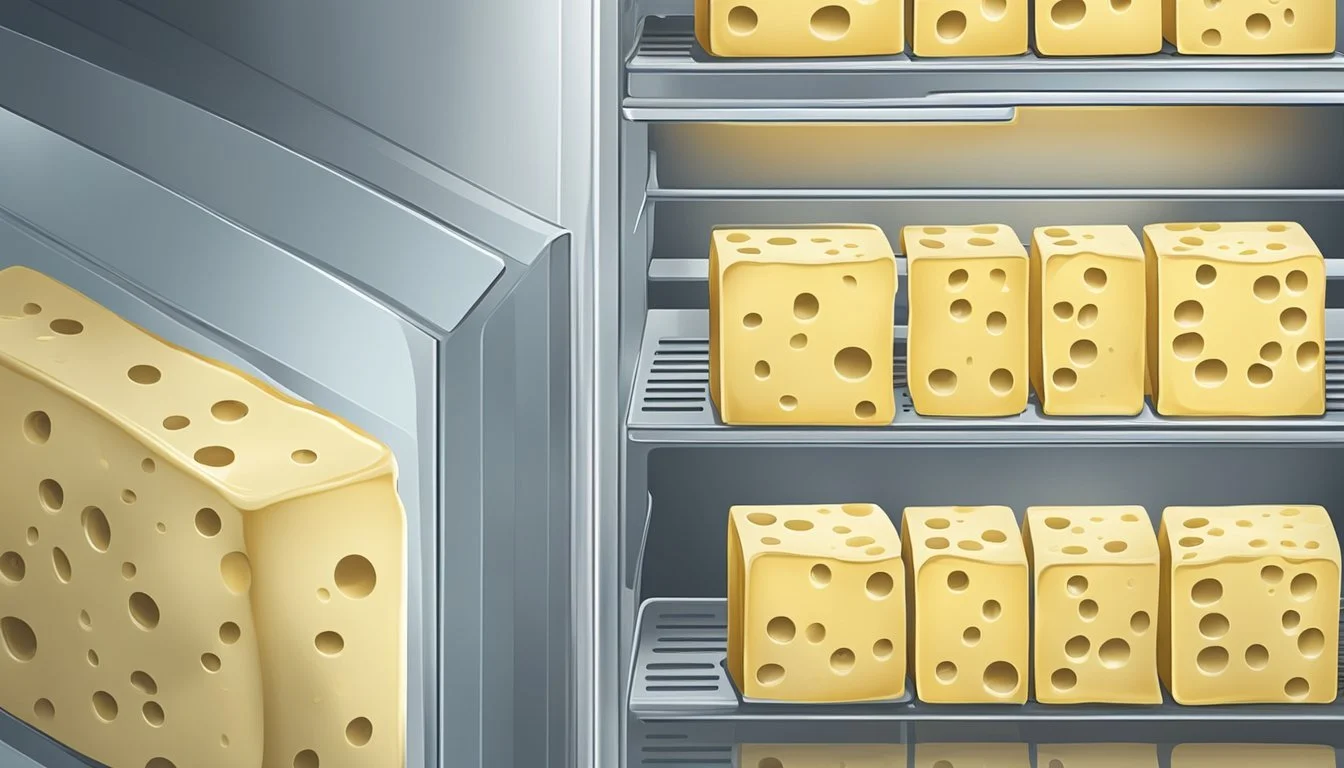
Hey cheese lovers! Ever find yourself staring into the fridge, a block of Swiss cheese in hand, wondering, "Okay, is this still good to go?" We've all been there. Let's dive into the fascinating (yes, I said fascinating!) world of Swiss cheese longevity. It's not just about avoiding food poisoning; it's about maximizing cheesy goodness.
So, how long does Swiss cheese last in the fridge? The short answer: it depends. But don't click away! We'll break it down, and I promise, you'll walk away feeling like a cheese-aging expert.
The Unopened Treasure: Shelf Life of Packaged Swiss
Let's start with the good stuff – that still-sealed, untouched block of Swiss. If it's sitting pretty in its original packaging, you've got some time. Generally, you can expect unopened Swiss cheese to last for 2-4 weeks beyond the "sell-by" or "use-by" date printed on the label. Think of it like a delayed gratification game.
Must Read
Why so long? Well, the packaging is doing its job, creating a barrier against nasty bacteria. Plus, Swiss cheese is a relatively hard cheese, which means it's naturally less susceptible to spoilage compared to softer cheeses like Brie or ricotta. So, pat yourself on the back for choosing a resilient cheese!
Think of that unopened cheese like a perfectly preserved time capsule. It's just waiting for its moment to shine (preferably on a delicious sandwich).

Once the Party Starts: Opened Swiss in the Fridge
Ah, the moment of truth! You've ripped open the packaging, taken a glorious slice, and now… what? How long does opened Swiss cheese last? This is where things get a little more nuanced.
Once opened, your Swiss cheese is exposed to the elements (mostly air and whatever other goodies might be lurking in your fridge). This means the clock starts ticking faster. Generally speaking, you can expect opened Swiss cheese to last for about 3-4 weeks in the fridge, provided you're storing it properly.
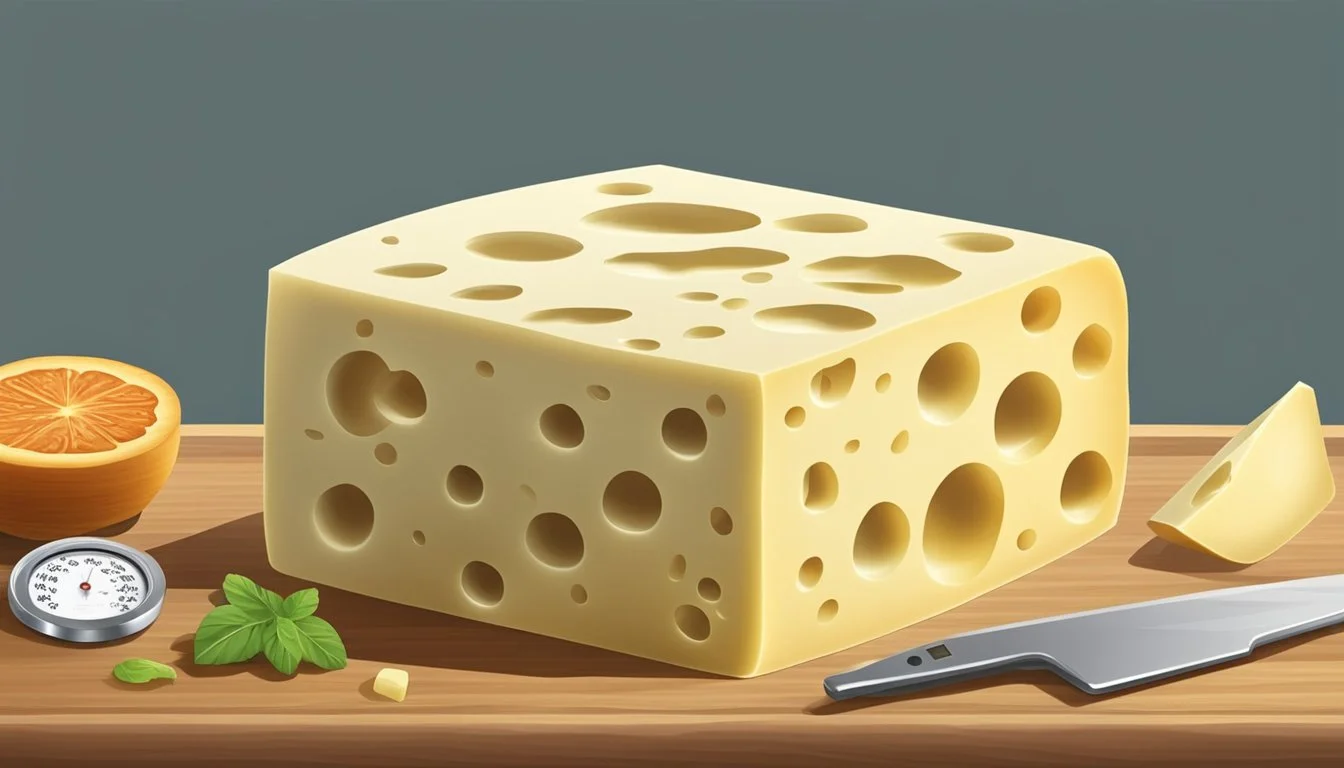
Think of it this way: the cheese is now "dating." It's exposed and vulnerable, and it needs some TLC to stay fresh.
Signs Your Swiss Has Seen Better Days
Okay, but how do you know if your Swiss has crossed the line? Trust your senses! Here are a few red flags to watch out for:
- Mold: This is the big one. If you see fuzzy mold growing on your Swiss, it's time to say goodbye. A tiny speck or two of mold can sometimes be cut away, but if it's widespread, toss it. (And remember, Swiss cheese is supposed to have holes, but those holes shouldn't be growing fur!)
- Smell: Fresh Swiss cheese has a mild, slightly nutty aroma. If it smells strongly of ammonia or anything "off," trust your nose.
- Texture: If your Swiss cheese has become slimy, sticky, or overly hard and dry, it's probably past its prime. The texture should be firm but not rock-solid.
If you're unsure, it's always better to err on the side of caution. Food poisoning is not a fun party favor.

Pro Tips for Keeping Your Swiss Fresher, Longer
Want to extend the life of your Swiss cheese and prevent premature spoilage? Here are a few tricks of the trade:
- Wrap it Right: Once opened, rewrap your Swiss cheese tightly in plastic wrap or beeswax wrap. You can also store it in an airtight container.
- Cheese Paper is Your Friend: Invest in some cheese paper! It's designed to breathe, preventing moisture buildup that can lead to mold.
- Fridge Placement Matters: Store your Swiss cheese in the crisper drawer or the coldest part of your fridge.
- Don't Cross-Contaminate: Use a clean knife to cut your cheese each time.
Treat your Swiss cheese with respect, and it will reward you with weeks of deliciousness! Think of it like a loyal friend – a little care goes a long way.

Can You Freeze Swiss Cheese?
Yes, you can freeze Swiss cheese, but be warned: it will affect the texture. Freezing can make the cheese more crumbly and less smooth. However, if you're planning to use the cheese in cooked dishes like gratins, soups, or omelets, freezing is a perfectly acceptable option. Just thaw it in the fridge overnight before using it.
Consider pre-shredding the cheese before freezing for easier use later. It's like giving future you a little gift!
So, There You Have It!
Hopefully, this has demystified the lifespan of Swiss cheese in your fridge. Remember to use your senses, store it properly, and enjoy every delicious bite. After all, life is too short for bad cheese! Now go forth and conquer your fridge, armed with your newfound Swiss cheese knowledge!