
How Long Does Sugar Stay In The Bloodstream
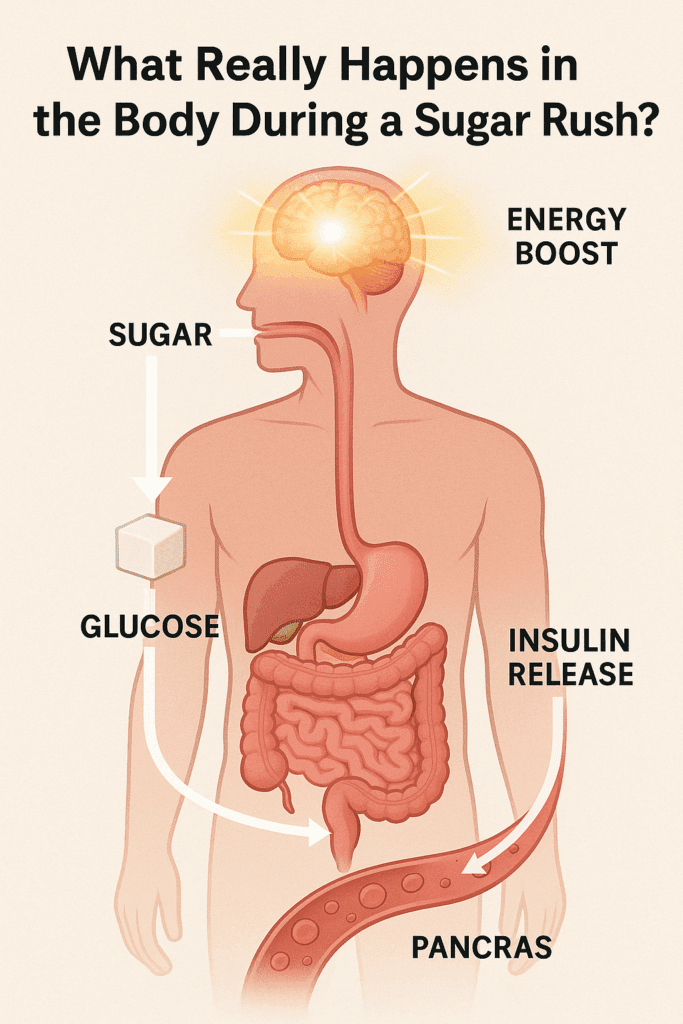
Ever wondered what happens to that delicious cookie you devoured? Or that sugary soda you guzzled down on a hot day? It's a sweet mystery, isn't it? Let's embark on a fun-filled adventure to uncover the secrets of sugar and its journey through your bloodstream!
The Great Sugar Caper: A Quick In and Out?
So, how long does this sugary guest hang around? Well, it's not quite as simple as saying "five minutes" or "a whole day." Think of your bloodstream as a bustling highway. Sugar, in the form of glucose, is just one of the many cars zipping around.
When you eat something sugary, your body springs into action. Your digestive system breaks down the food into glucose, which then enters your bloodstream. It's like the sugar is waving "hello" to your blood cells as it cruises by.
Must Read
The length of its visit depends on a lot of factors, like how much sugar you ate and what else was on your plate. Was it just a sugary drink on its own? Or did you have it with a balanced meal?
The Speedy Gonzales Effect: Empty Stomach, Rapid Entry
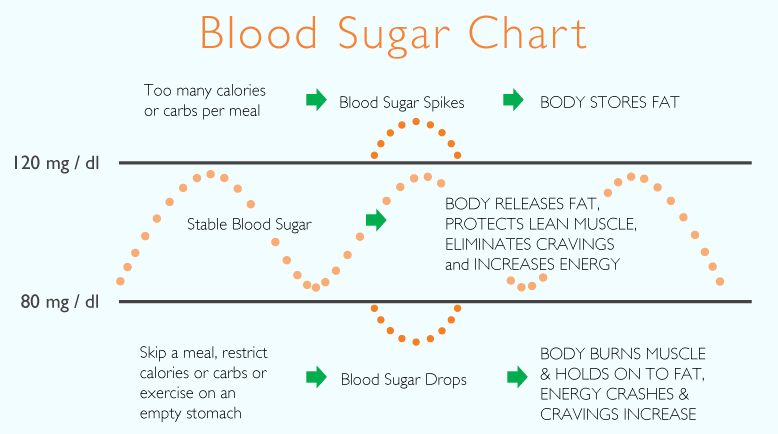
Imagine you're sipping a sugary soda on an empty stomach. The sugar hits your bloodstream like a rocket. It's a bit like a sugar rush roller coaster! Buckle up!
Since there's no fiber, protein, or fat to slow things down, the sugar gets absorbed super quickly. Your blood sugar levels spike, giving you that temporary burst of energy, that sugar high, you've probably experienced before.
But what goes up must come down! This rapid rise is often followed by a rapid crash, leaving you feeling tired and maybe even a bit grumpy. It's the sugar's dramatic exit from the bloodstream.
The Leisurely Stroll: Balanced Meal, Slower Release
Now, picture this: you're enjoying a balanced meal – maybe some grilled chicken, a side of veggies, and a small slice of cake for dessert. This is a much different scenario for our friend, sugar.
The protein, fiber, and healthy fats in your meal act like speed bumps, slowing down the absorption of sugar. This means the sugar enters your bloodstream at a more gradual pace, preventing that crazy rollercoaster ride.
Your blood sugar levels rise more gently and stay more stable. It's a much more pleasant and sustainable experience, like a leisurely Sunday drive.
Insulin: The Sugar Taxi Service
But what happens after the sugar enters the bloodstream? This is where insulin, a hormone produced by your pancreas, comes into play. Think of insulin as a friendly taxi driver.
Insulin picks up the glucose from your bloodstream and transports it to your cells. Your cells then use the glucose for energy to power all your activities, from running a marathon to simply thinking about what to have for dinner.

When insulin is working efficiently, it helps keep your blood sugar levels stable. It's like a well-organized transportation system ensuring everyone gets where they need to be.
When the Taxi Service is Delayed: Insulin Resistance
Sometimes, the cells become resistant to insulin's calls. This is called insulin resistance. Imagine the cells are being a bit stubborn and refusing to open their doors for the sugar taxi.
This means the sugar stays in your bloodstream for longer, leading to elevated blood sugar levels. Over time, this can lead to some serious health issues. So, it's important to keep that taxi service running smoothly!
Factors Affecting Sugar's Stay: A Colorful Cast of Characters
Besides the type of food and insulin's efficiency, other factors influence how long sugar stays in your bloodstream. These include your activity level, your stress levels, and even the time of day!
Exercise, for example, helps your cells become more sensitive to insulin. It's like opening the doors wide and welcoming the sugar taxi with open arms. Stress, on the other hand, can cause your blood sugar levels to rise.
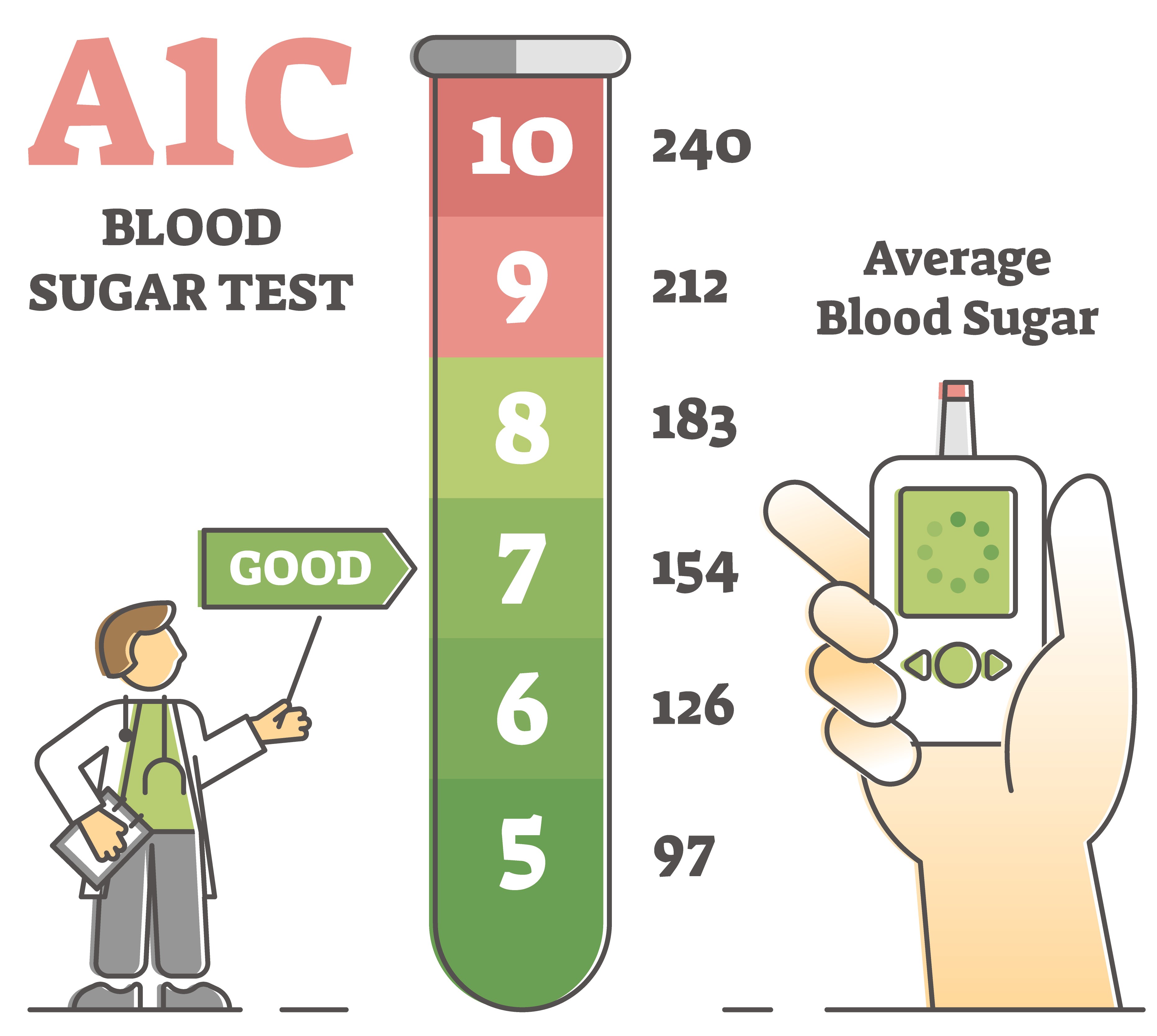
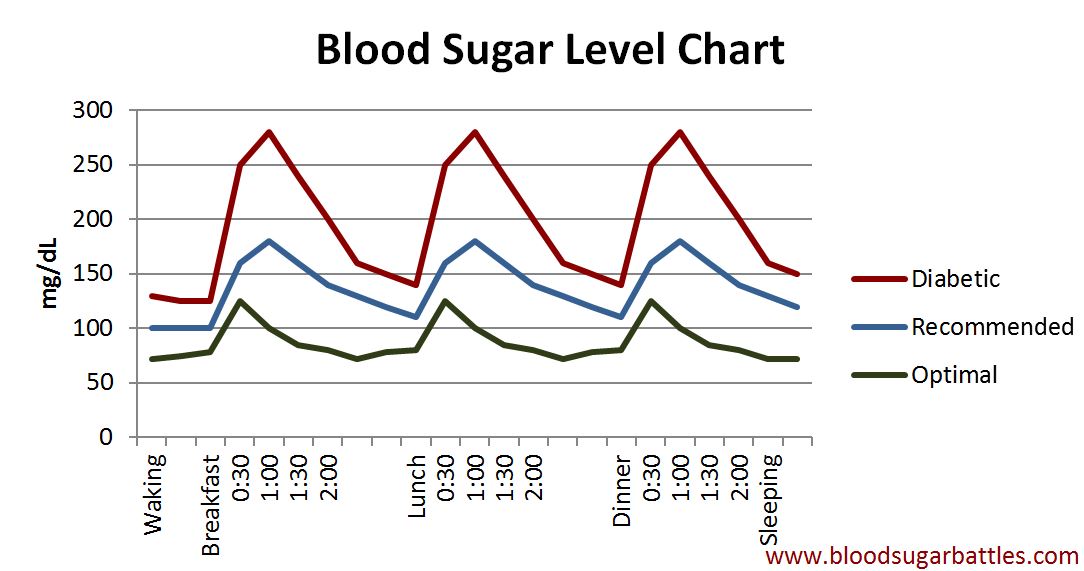
Even the time of day can make a difference! Some people find their blood sugar levels are higher in the morning than in the evening. It's a complex dance of hormones and metabolic processes.
The Age Factor: Time Marches On
As we get older, our bodies change, and so does our ability to process sugar. It's like the sugar taxi service becomes a bit slower and less efficient.
This means that older adults may need to be extra mindful of their sugar intake and their overall lifestyle. Staying active and eating a balanced diet become even more crucial as we age.
The Genetics Game: A Family Affair
Genetics also play a role in how your body handles sugar. If you have a family history of diabetes, you may be more likely to develop insulin resistance. It's like inheriting a predisposition to a slower sugar taxi service.
But don't despair! Even with a genetic predisposition, you can still make healthy choices to manage your blood sugar levels. It's all about being aware and taking proactive steps.
The Sweet Conclusion: Moderation is Key
So, how long does sugar stay in your bloodstream? It's not a straightforward answer, but hopefully, you now have a better understanding of the complex process involved.
The key takeaway? Moderation is key. Enjoy sugary treats in moderation, pair them with balanced meals, and stay active. It's all about finding a sweet spot that works for you.
By making informed choices and listening to your body, you can keep your blood sugar levels stable and enjoy a healthier, happier life. Now, go forth and conquer that sugar mystery!
Remember, the occasional indulgence is perfectly fine. It's about creating a sustainable lifestyle that supports your overall well-being. So, go ahead and savor that delicious treat, guilt-free!
After all, life is too short to deprive yourself of the little joys. Just remember to keep that sugar taxi service running smoothly and enjoy the ride!