
How Long Does Refrigerated Food Last Without Power
Okay, so power's out. Ugh, right? The worst. Besides the whole no-Wi-Fi thing, you're probably staring at your fridge like it's about to explode. And, honestly, maybe it kinda is? (Just kidding... mostly.) The big question: how long can your refrigerated goodies survive without turning into a science experiment gone wrong?
The Four-Hour Rule: Your New Best Friend
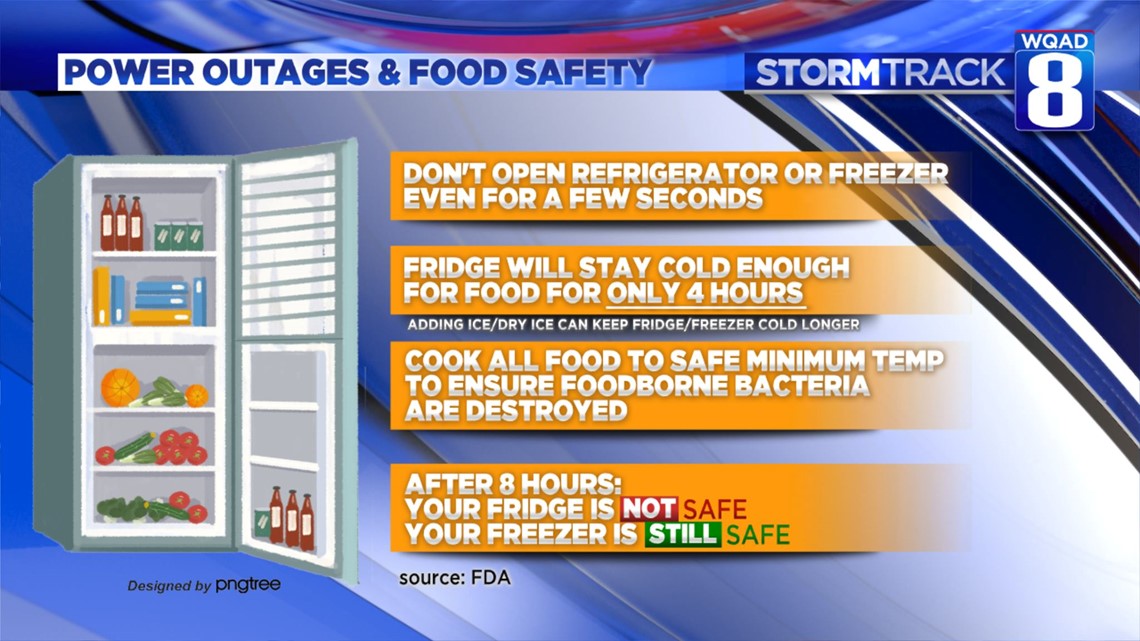
Let's cut to the chase. The golden rule, the holy grail, the four-hour rule. That's the magic number, folks! Once the power dips, you've got about four hours of safe haven for your refrigerated treasures. Think of it like a ticking time bomb... but with mayonnaise.
Why four hours? Bacteria, my friend, bacteria. Those microscopic party animals love room temperature. After four hours in that danger zone (above 40°F or 4°C, for the super science-y among us), they start throwing a serious rager. And you definitely don't want to eat their leftovers.
Must Read
Now, before you start hyperventilating about that half-eaten pint of ice cream, remember: This is a general guideline. There are a few nuances (we'll get to those!), but four hours is a good starting point for panic mitigation. Seriously, breathe.
The Freezer's Got Your Back (For a While...)
Good news! Your freezer is a bit more of a fortress. A full freezer can keep food safe for about 48 hours (that's two whole days!), while a half-full freezer clocks in at around 24 hours. See? Having a stockpile of frozen pizzas does pay off!
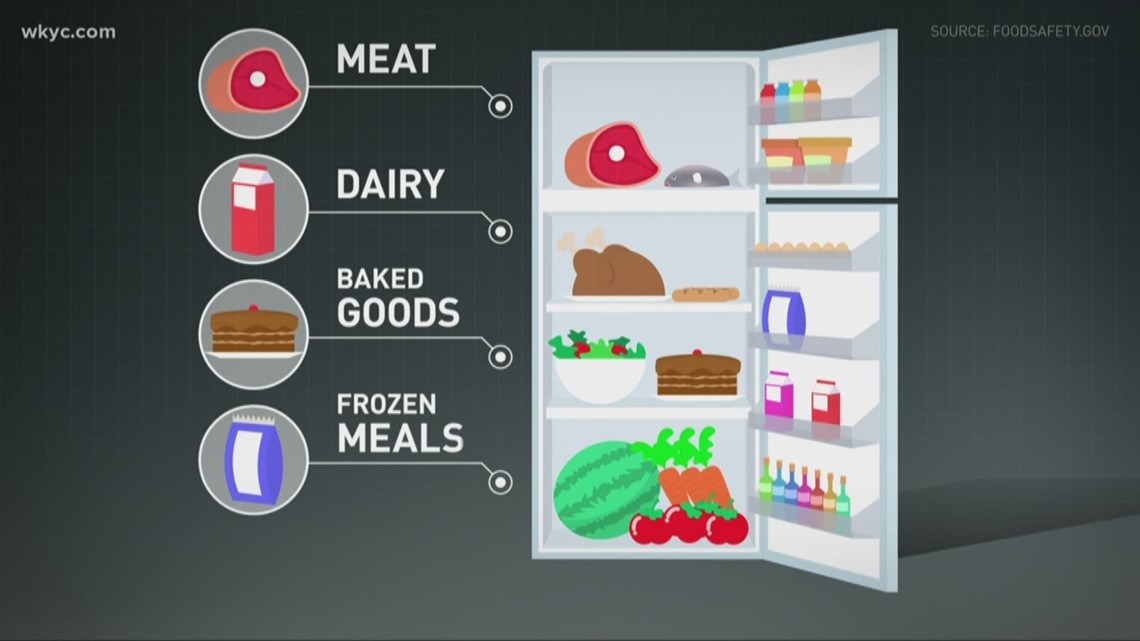
Pro Tip: Don't open the freezer unless absolutely necessary! Every time you peek, you're letting out the cold air and speeding up the thawing process. Resist the urge! Treat it like a precious artifact in a museum. Gaze upon it from afar, but don't touch!
What to Toss (and What to Maybe, Possibly Keep)
Alright, let's get real. You're staring into the abyss of your refrigerator. What lives? What dies? This is where things get… interesting. When in doubt, throw it out! Food poisoning is not a fun souvenir.
Things that are definitely goners after four hours without power:

- Meat (raw or cooked – beef, poultry, seafood – the whole shebang)
- Dairy (milk, cheese, yogurt, sour cream – say goodbye to your morning smoothie)
- Eggs (even hard-boiled ones are risky)
- Cooked leftovers (sad, but true)
- Soft cheeses (like brie or ricotta – so delicious, so dangerous)
Things that might be okay (but proceed with extreme caution and sniff EVERYTHING):
- Hard cheeses (like cheddar or parmesan – their lower moisture content makes them more resilient)
- Butter and margarine (they're mostly fat, so they can handle a little warmth)
- Fruit juice (as long as it smells and tastes normal)
- Opened jars of salad dressing, ketchup, mustard (they’re usually high in preservatives)
- Bread, rolls, muffins (if they feel cold, not room temperature)
Seriously, if anything smells funky, looks weird, or you're just plain unsure, chuck it! It's better to waste a few bucks than spend a week hugging the toilet. Just saying.

Tips and Tricks for Staying Cool (Literally)
Okay, so what can you do before the power goes out to prepare? Be a proactive fridge ninja!
- Freeze containers of water or ice packs. You can move these into the fridge if the power goes out to help keep things cooler.
- Group food together in the refrigerator. A packed fridge stays colder longer. (Think of it as a culinary cuddle puddle!)
- Have a cooler on hand. Fill it with ice and transfer perishable items if you anticipate a prolonged outage.
- Invest in a refrigerator thermometer. Knowing the actual temperature inside your fridge is way more helpful than guessing.
And lastly, remember that old adage, “when life gives you lemons…” well, if the power is out and your fridge is toast, maybe just make lemonade. Or order pizza. You deserve it. 😉
Stay safe, stay cool, and happy (hopefully not-food-poisoned) eating!
