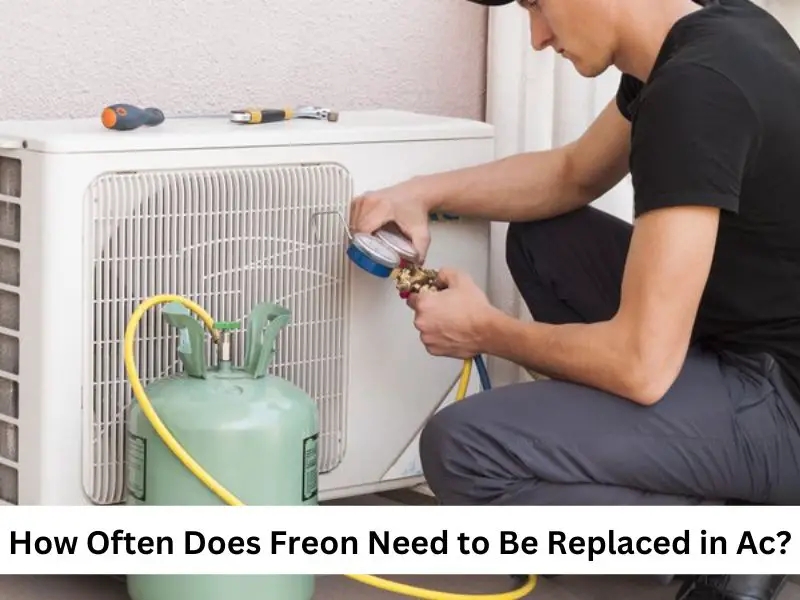
How Long Does Refrigerant Last In Air Conditioner

Imagine your air conditioner as a tiny, hardworking dragon, diligently breathing out frosty air to keep your home cool and comfy. And what fuels this dragon? Refrigerant, of course! But unlike a real dragon that might snack on knights and the occasional princess, your AC dragon needs a special kind of “dragon breath” that, thankfully, doesn’t involve anyone getting roasted. So, how long does this magical refrigerant last, and when do you need to refill the tank (figuratively speaking)?
The Myth of the Refrigerant Refill
Here's a secret: a healthy air conditioner shouldn’t need refrigerant refills. Ever. Seriously! Think of it like a closed-loop system. The refrigerant goes around and around, absorbing heat inside your house and releasing it outside. It’s a cycle, a beautiful, frosty waltz of heat transfer. If all is well, the amount of refrigerant in your AC at the beginning of its life should be the same at the end. It’s a bit like a perfectly sealed thermos – the contents stay put.
The key word here is "sealed." If your AC is losing refrigerant, it's not because it ran out; it's because you have a leak. And leaks are the villains in our refrigerant story. They’re sneaky, often tiny, and can slowly drain the lifeblood (or, rather, the cool-blood) of your air conditioner.
Must Read
Imagine a slow leak like a tiny pinprick in a bicycle tire. You might not notice it at first, but slowly, surely, your tire deflates. The same happens with refrigerant. You might notice your AC isn't cooling as well as it used to, or perhaps the electricity bill is creeping up mysteriously. These are telltale signs your refrigerant might be escaping.
Detecting the Refrigerant Rogue
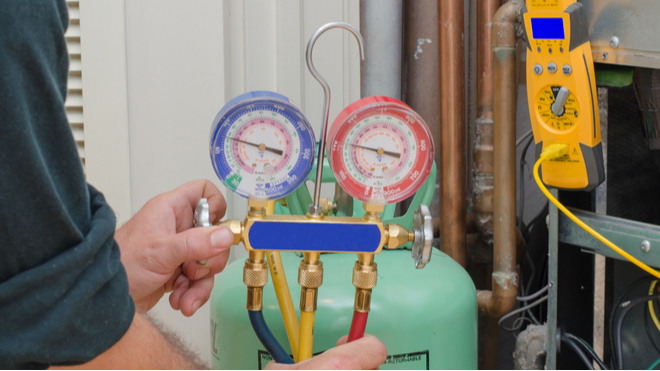
So how do you catch these sneaky leaks in the act? Well, unless you're a trained AC technician (and even then, it can be tricky), it's best to call in the professionals. They have specialized tools, like electronic leak detectors, that can sniff out even the tiniest refrigerant escape artists. Sometimes, they might even add a special dye to the refrigerant that shows up under ultraviolet light, making the leaks glow like little green radioactive puddles (though, thankfully, much less dangerous!).
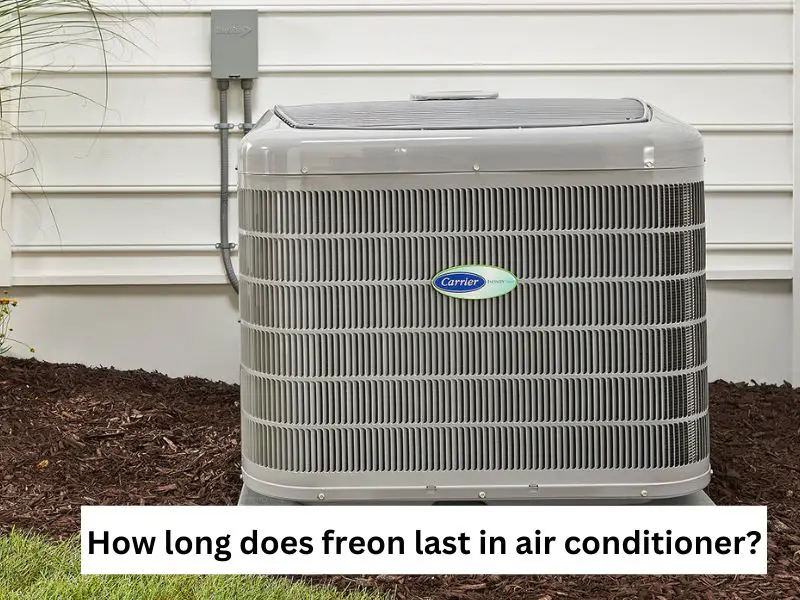
A common sign of a leak is ice forming on the refrigerant lines. This is because the refrigerant is escaping, which lowers the pressure inside the system and causes moisture to freeze. Think of it like when you spray an aerosol can for too long – the can gets cold and frosty. That’s a similar principle at work.
The Not-So-Funny Side of Leaks
While the idea of refrigerant leaks might seem abstract, there are serious reasons to address them promptly. First, leaking refrigerant makes your AC work harder, consuming more energy and inflating your electricity bill. Second, refrigerant itself can be harmful to the environment. Older refrigerants, in particular, contribute to ozone depletion. Modern refrigerants are generally less harmful, but it's still best to keep them inside the system where they belong.
A Heartwarming Analogy: Refrigerant as Family
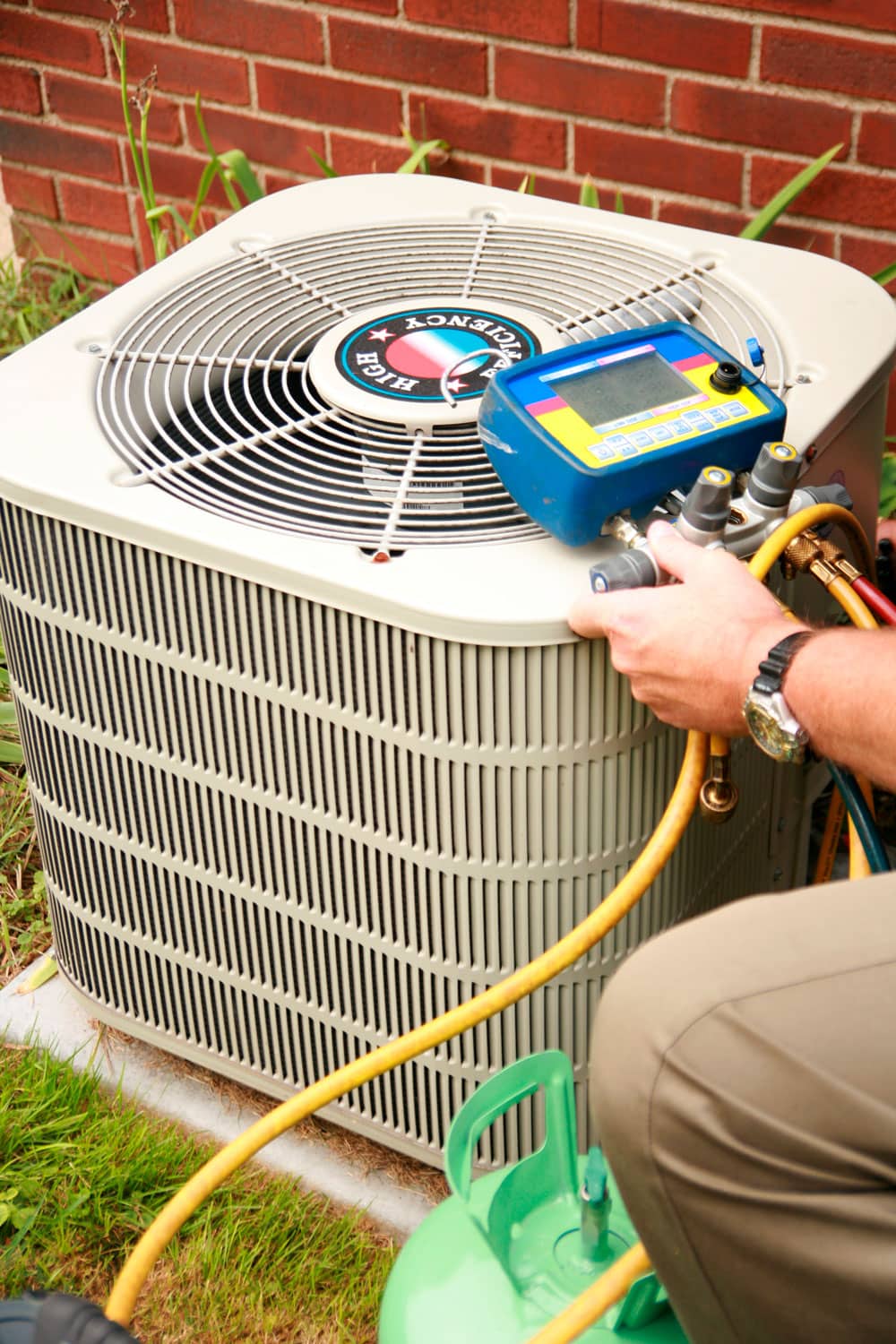
Think of your AC as a family, and the refrigerant as a valued member. If one member starts to disappear, it disrupts the whole family dynamic. The AC "family" struggles to keep things cool and comfortable. You, as the homeowner, are the responsible caretaker. It’s your job to make sure everyone is healthy and happy. If you suspect a member is missing (i.e., a refrigerant leak), it's time to seek professional help. Don’t wait until the whole family is suffering from the heat!
The Verdict: It's Not About Refilling, It's About Repairing
So, back to our original question: how long does refrigerant last? Ideally, forever! But in reality, if your AC is losing refrigerant, the problem isn't that it "ran out," it's that there's a leak. Instead of simply topping it off, which is like putting a band-aid on a broken leg, you need to fix the leak. Only then can your AC dragon breathe easy, and your home stay cool and comfortable for years to come. Remember, a little prevention and prompt repair will save you money, protect the environment, and keep your cooling dragon happy and healthy!