How Long Does It Take To Get Welding Certified
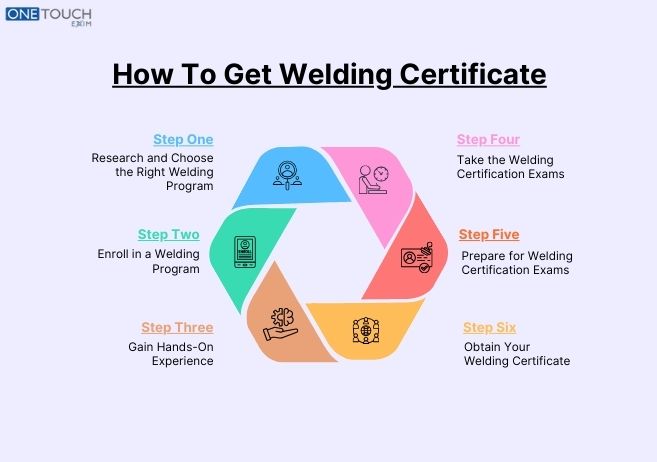
So, you're thinking about becoming a welder? That's awesome! Welding is a seriously cool skill, and it opens up a whole world of possibilities. Think giant skyscrapers, intricate race car chassis, even underwater pipelines – all brought to life by the magic of melting metal. But before you're laying down beads like a pro, you probably have one big question buzzing in your head: How long does it actually take to get welding certified?
Well, the honest answer is… it depends! There's no one-size-fits-all timeframe. It’s not like learning to ride a bike, where you either get it or you don't after a few wobbly attempts. Welding is more like learning to play the guitar. You can learn the basic chords pretty quickly, but mastering it takes time, practice, and dedication.
The Speedy Path: Short-Term Certification Programs
If you're looking for a quick entry point, then short-term welding certification programs might be your ticket. These programs often focus on specific welding processes, like stick welding (SMAW) or MIG welding (GMAW). They are designed to equip you with the essential skills needed for a particular job or industry. How long are we talking? Usually, these courses can range from a few weeks to a few months – think anywhere from 6 weeks to 6 months.
Must Read
Think of it like this: a short-term program is like learning to cook one really, really amazing dish. You become a master of that one recipe, but you might not know your way around the rest of the kitchen. These programs are perfect if you have a specific job in mind that requires a particular welding skill.
The Comprehensive Route: Vocational Schools and Colleges
Now, if you're aiming for a more in-depth understanding of welding and a broader skillset, then a vocational school or community college program might be a better fit. These programs offer a more comprehensive curriculum, covering various welding processes, metallurgy, blueprint reading, and safety procedures. This is like getting a full culinary education – you'll learn everything from knife skills to sauce-making.
How long will this take? Typically, a vocational school program or an associate's degree in welding technology can take anywhere from 1 to 2 years. It's a bigger investment of time and money, but it can pay off in the long run with more job opportunities and higher earning potential. Plus, you'll graduate with a deeper understanding of the science and art behind welding.
The Self-Taught Option: Is it Possible?
Okay, let's address the elephant in the room: Can you teach yourself to weld? Technically, yes. With enough dedication, online resources, and access to equipment, you could learn the basics on your own. But here's the thing: Welding is a skill, but also an art that requires feedback and mentoring. A certified welding instructor provides that guidance.
Self-teaching is like trying to learn surgery from YouTube videos. You might pick up some techniques, but you'll lack the supervised practice and expert feedback necessary to become truly competent and, most importantly, safe. Furthermore, self-taught experience usually doesn't qualify you for official welding certifications.
Factors That Influence the Timeline
So, we've talked about the different paths, but what other factors can affect how long it takes to get welding certified?

- Your dedication and practice: The more you practice, the faster you'll improve. It's that simple!
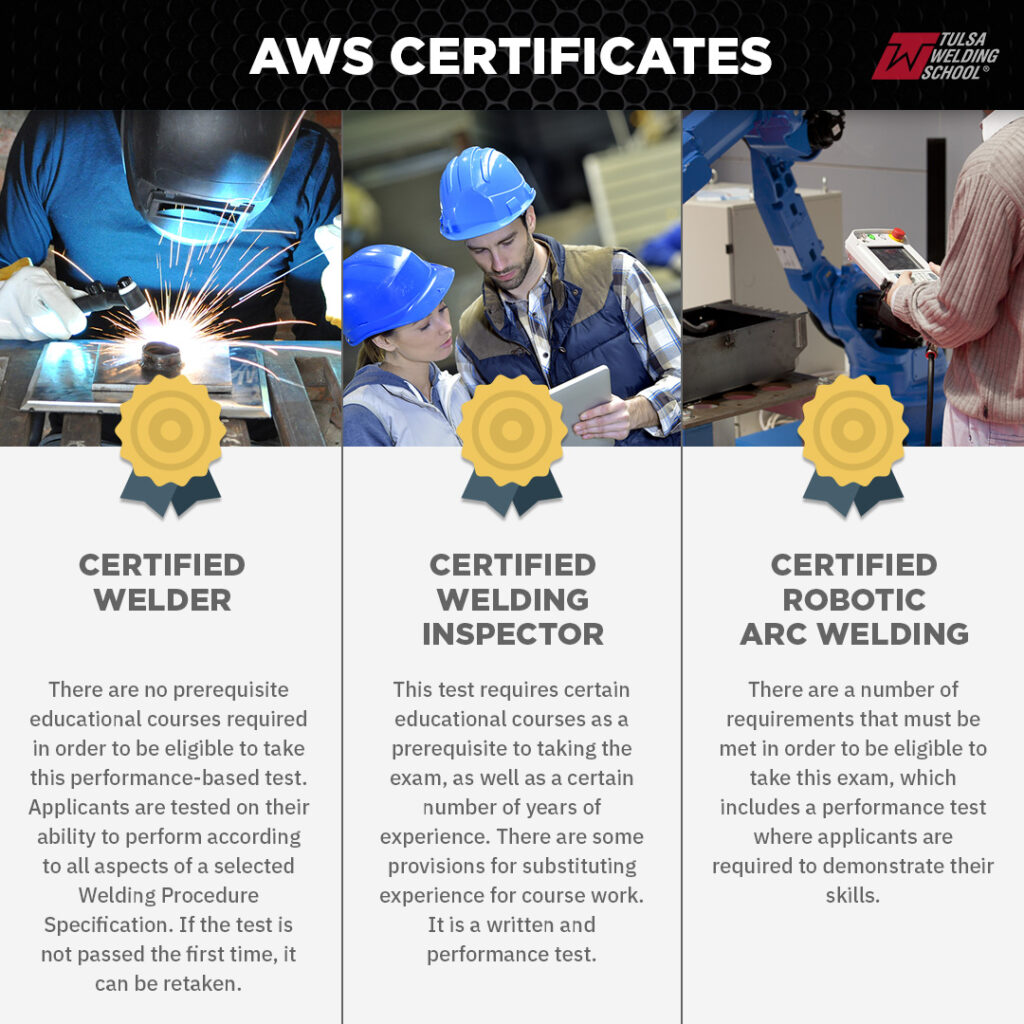
- The specific certification you're pursuing: Different certifications have different requirements and levels of difficulty.
- Your learning style: Some people learn faster than others.
- The quality of your training program: A good program with experienced instructors can make a huge difference.
- Access to quality equipment: you need the right equipment to learn effectively.
Why Welding Certification Matters
Why bother getting certified in the first place? Well, for starters, it proves to potential employers that you have the skills and knowledge to do the job safely and effectively. It's like having a stamp of approval that says, "Hey, I know what I'm doing!" This can lead to better job opportunities and higher pay. Welding certification also helps maintain industry standards, ensuring consistent quality and safety across the board.
Ultimately, the time it takes to get welding certified depends on your goals, your resources, and your dedication. But no matter which path you choose, remember to focus on safety, practice diligently, and never stop learning. Welding is a dynamic field with endless opportunities for growth and innovation. So grab your helmet, strike an arc, and get ready to create something amazing! Good luck and happy welding!