How Long Does It Take To Do A Bachelor's Degree

Thinking about college? Wondering how long you'll be hitting the books? Let's face it, figuring out the timeline for a bachelor's degree is one of the first big questions on everyone's mind. It's a pretty universal experience, and understanding the answer can help you plan your life, your finances, and even your career path. Whether you're a fresh-faced high school grad, a parent helping your kid navigate the college application process, or even someone considering a career change, knowing the timeframe is essential.
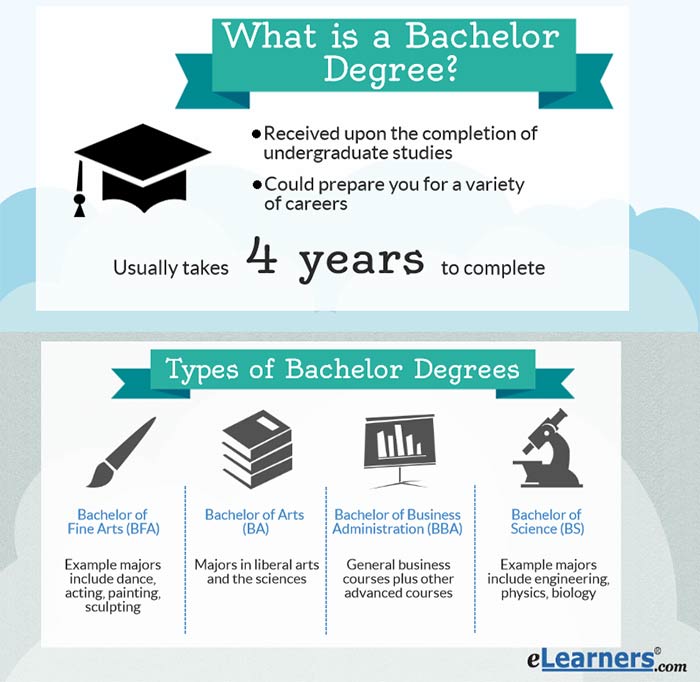
So, how long does it actually take? The standard answer is four years. That's generally what colleges advertise and what most full-time students aim for. But like most things in life, it's not always that straightforward. Let's break down the purpose and benefits for different folks:
For Beginners: Knowing the typical four-year timeline gives you a framework. You can start thinking about what you want to study, how much tuition costs per year, and how you'll manage your time. It helps you visualize the journey ahead.
Must Read
For Families: Understanding the timeframe is crucial for financial planning. College costs can be significant, so knowing you're potentially looking at four years of tuition, room and board, and other expenses allows you to budget effectively. It also helps you support your student through the process, knowing the expected duration.
For Hobbyists/Career Changers: Maybe you're thinking about going back to school later in life. Knowing the standard timeframe helps you evaluate whether a full-time program is feasible, or if a part-time option would be a better fit for your existing commitments.
Now, let's talk about those variations. While four years is the norm, many factors can influence the actual duration. Taking summer courses can accelerate your progress. On the other hand, attending part-time, needing to repeat courses, or taking semesters off can extend your studies. Some programs, like engineering or architecture, might traditionally take five years. It also depends on the number of credits required by your chosen major and the university's policies.
Another common variation is earning college credit during high school through AP (Advanced Placement) or dual enrollment programs. These credits can potentially shorten your time in college, saving you time and money. Online programs are also becoming increasingly popular and can offer more flexibility, potentially allowing you to complete your degree at your own pace.

Simple, Practical Tips for Getting Started:
- Talk to an advisor: College advisors are your best resource for understanding program requirements and creating a personalized plan.
- Plan your courses: Work with your advisor to map out your courses for each semester, ensuring you're on track to graduate.
- Stay organized: Keep track of deadlines, assignments, and your overall academic progress.
- Don't be afraid to ask for help: If you're struggling with a subject, seek out tutoring or academic support services.
So, there you have it! While a bachelor's degree typically takes four years, remember that it's your journey. Embrace the learning, explore your interests, and create a plan that works for you. College is an investment in your future, and understanding the time commitment is a key part of making informed decisions and enjoying the ride!