
How Long Does It Take To Charge Deep Cycle Battery
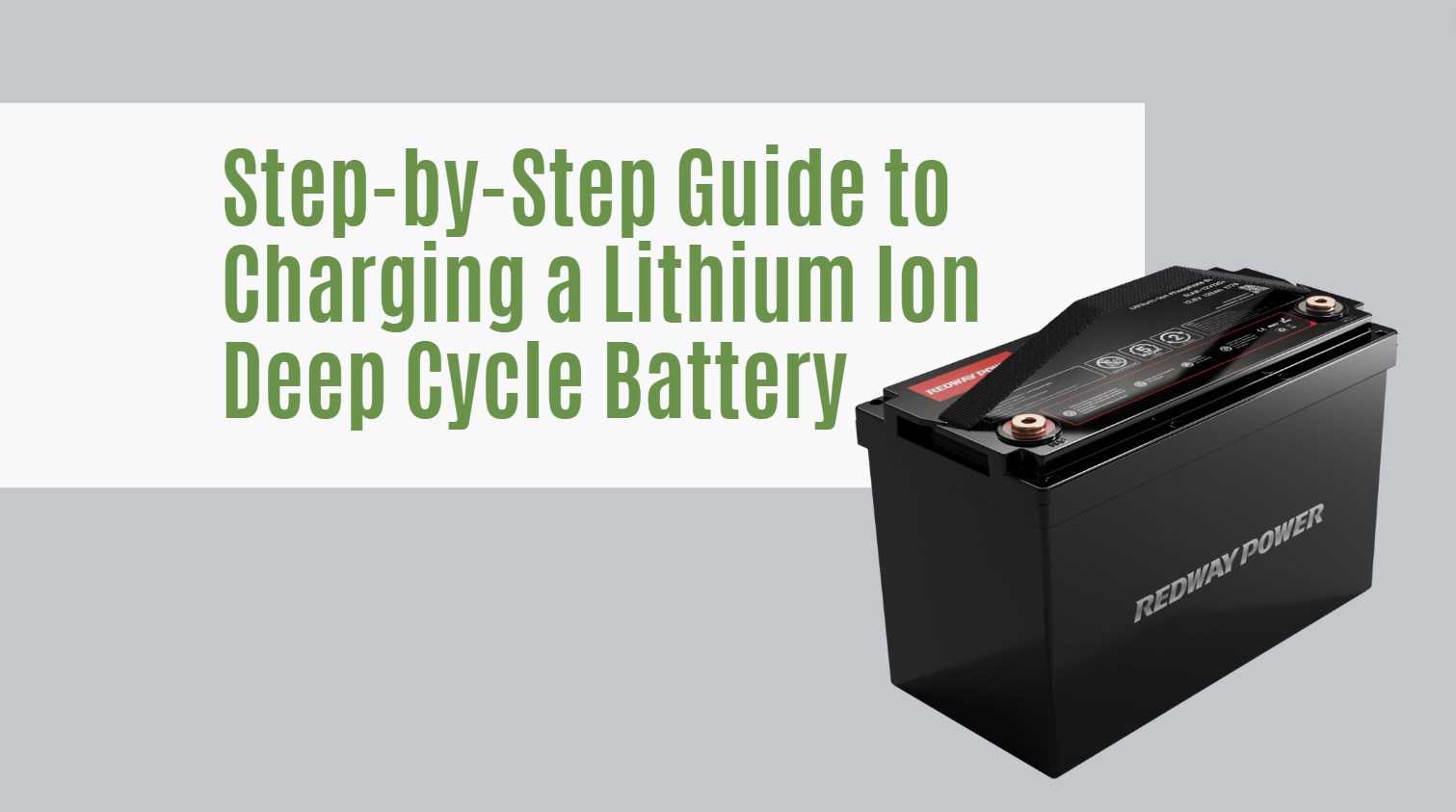
Alright, let's talk deep cycle batteries. These powerhouses are the unsung heroes of off-grid living, RV adventures, and boating excursions. But let’s be honest, waiting for one to charge can feel longer than binge-watching the entire Lord of the Rings extended edition trilogy. So, how long does it actually take to bring one of these bad boys back to full power? The answer, like a perfectly brewed cup of coffee, is nuanced.
Understanding the Charging Game
First, forget about a one-size-fits-all answer. Charging time isn’t a fixed number. Think of it like baking a cake: the size of the cake (battery capacity), the heat of the oven (charger amperage), and the moisture content of the batter (state of discharge) all play a role. We need to consider a few key factors:
- Battery Capacity (Ah): This is measured in Amp-hours (Ah). Think of it as the battery's fuel tank. A larger Ah rating means more energy storage, and naturally, a longer charging time.
- Charger Amperage: This is the "fuel pump" that delivers the charge. A higher amperage charger will generally charge the battery faster. Imagine filling your car's gas tank with a garden hose versus a proper pump.
- State of Discharge (SoD): How empty is the battery when you start charging? A nearly depleted battery will obviously take longer than one that's only partially drained.
- Battery Type: Are we talking about a flooded lead-acid, AGM (Absorbent Glass Mat), or lithium-ion battery? Each type has different charging characteristics. It’s like knowing whether you need unleaded or diesel for your car. Don't mix them up!
The Math (Without Making Your Head Explode)
Okay, let's get a little technical, but I promise to keep it simple. A rough estimate can be calculated using this formula:
Must Read
Charging Time (hours) ≈ Battery Capacity (Ah) / Charger Amperage (A)
However, this is a simplified view. In reality, batteries aren't perfectly efficient. We need to factor in charging efficiency, which is usually around 80-85% for lead-acid batteries. Lithium-ion batteries are more efficient, often reaching 95% or higher.

So, a more accurate formula would be:
Charging Time (hours) ≈ (Battery Capacity (Ah) / Charger Amperage (A)) / Charging Efficiency
For example, let’s say you have a 100Ah battery and a 10A charger, and you assume an 80% efficiency. The equation looks like this:
Charging Time ≈ (100Ah / 10A) / 0.8 = 12.5 hours
This is a rough estimate, remember that!
Practical Tips for Speeding Things Up (Safely!)
While patience is a virtue, nobody wants to wait forever. Here are a few tips to help you juice up your deep cycle battery more efficiently:
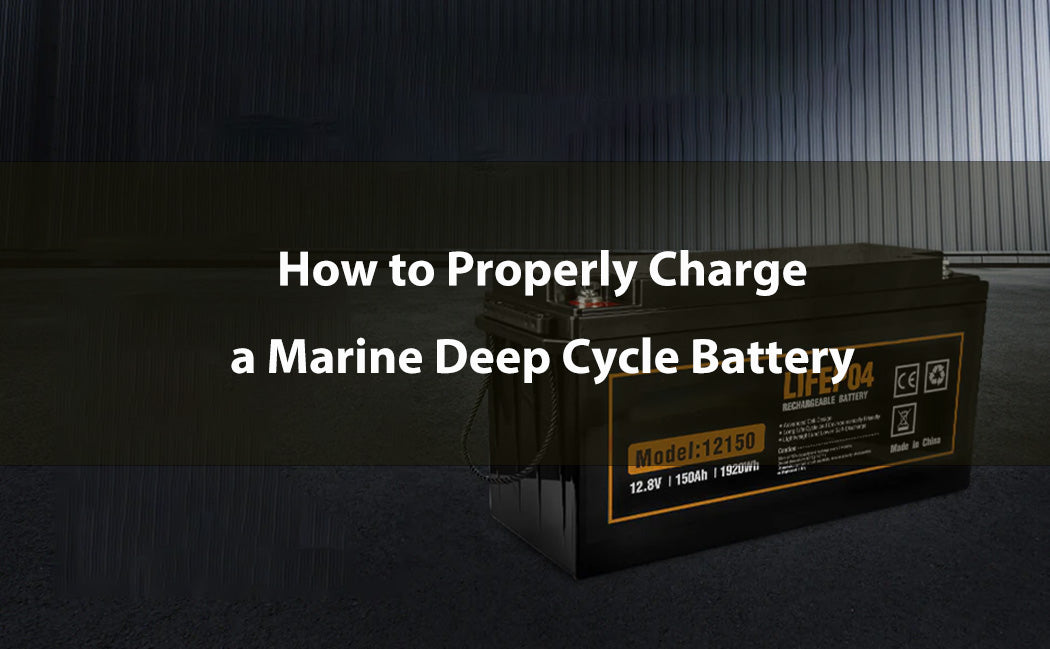
- Use the Right Charger: Invest in a quality, multi-stage charger designed for deep cycle batteries. These chargers adjust the charging current as the battery reaches full capacity, preventing overcharging and extending battery life.
- Avoid Deep Discharges: Repeatedly draining your battery completely can shorten its lifespan and increase charging time. Try to keep the discharge level above 50% whenever possible.
- Monitor the Charging Process: Keep an eye on the battery's voltage and temperature during charging. If it gets excessively hot, stop the charging process and let it cool down.
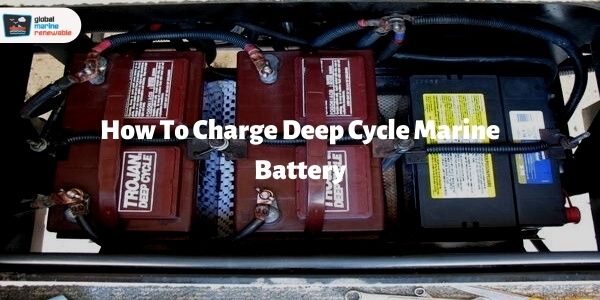
- Proper Ventilation: Especially important for flooded lead-acid batteries, ensure adequate ventilation in the charging area to prevent the buildup of explosive gases. Safety first!
- Embrace Solar Power: If you're using deep cycle batteries for off-grid living, consider incorporating solar panels into your system. This can significantly reduce your reliance on grid power and keep your batteries topped up during daylight hours.
Type Matters: The Battery Breakdown
The type of deep cycle battery greatly influences charging time. Think of each type as a different kind of runner in a marathon; they each have their own pace.
Flooded Lead-Acid: These are the most common and typically the least expensive. They tend to charge slower than other types. Proper maintenance, like checking water levels, is crucial.
AGM (Absorbent Glass Mat): AGM batteries are sealed and maintenance-free. They charge faster than flooded lead-acid batteries and are more resistant to vibration. They're like the SUV of the battery world – rugged and reliable.

Lithium-ion: Lithium-ion batteries are the rockstars of the battery world. They're lightweight, have a long lifespan, and charge incredibly fast. However, they're also the most expensive. They're like the sleek sports car – fast and powerful, but with a premium price tag.
So, What's the Takeaway?
Charging a deep cycle battery isn't an exact science, but with a little understanding and the right equipment, you can optimize the process and get back to enjoying your adventures. Remember to consider the battery type, capacity, charger amperage, and state of discharge. And most importantly, be patient and prioritize safety.
In the grand scheme of things, waiting a few extra hours for your battery to charge is a small price to pay for the freedom and independence that deep cycle batteries provide. It's a good reminder that some things in life are worth waiting for, whether it's a perfectly charged battery or a breathtaking sunset after a long day of exploring.