
How Long Does It Take Natural Gas To Dissipate
That Gas Smell: Gone in Sixty Seconds? (Or Longer?)
Okay, let's talk about that lovely smell of natural gas. You know, the one that makes you think, "Am I about to explode?" It’s added so we know it's there.
But how long does it actually hang around after, say, you accidentally leave the stove on for a teensy bit too long? Asking for a friend, obviously.
The truth? It's complicated. And probably depends on how good your nose is.
Must Read
The Great Escape: Factors Affecting Dissipation
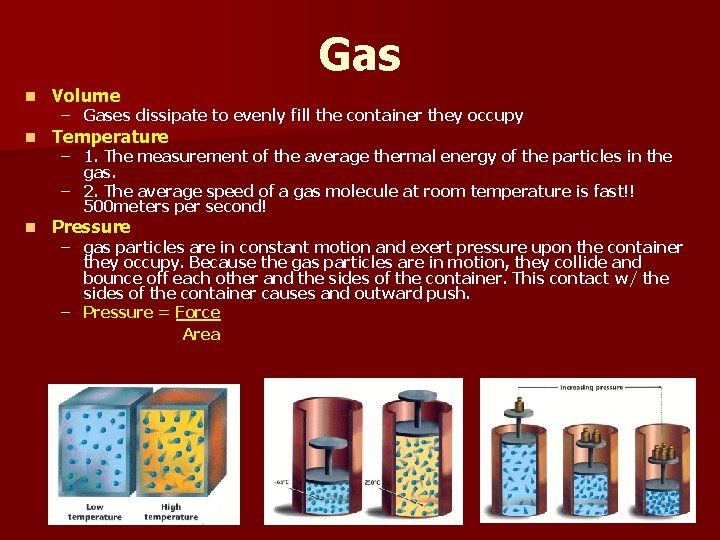
First, the basics. Natural gas itself is mostly methane. Methane is lighter than air. So it tends to rise.
Think of it like a balloon. Except, instead of fun birthday wishes, it carries the distinct scent of impending doom (or breakfast, depending on your perspective).
Here's the thing: a bunch of things affect how fast it floats away. Let's break them down, shall we?
Location, Location, Location
Where did the gas leak happen? Inside or outside makes a HUGE difference.
Outside, open air is your friend. Breezes will whisk that gas away faster than you can say, "9-1-1... maybe?"
Inside? That's a whole different ballgame. Poor ventilation keeps it trapped, like a pungent houseguest who overstays their welcome.
The Size of the "Oops"
A tiny, little poof of gas? It'll probably dissipate relatively quickly. Maybe in minutes.
A full-blown "I left the burner on all night" situation? We’re talking a much longer timeline. Possibly hours.
This isn't rocket science. More gas equals more time for it to go away. Common sense prevails!
Weather or Not It's a Factor
Wind is your best friend when it comes to clearing out gas. A good breeze is like a natural air freshener... only way more important.
Still air? Not so helpful. Especially indoors. Think of it as the gas clinging to your curtains and taunting you.
Rain could help a little outside, by scrubbing the air. But don’t count on it as your primary mitigation strategy.
The Ever-Mysterious "Ventilation"
Open windows. Turn on fans. Create a cross-breeze if you can. These are the things that will save you from living in a gassy bubble.
Your house is not air-tight (probably). Even with the windows closed, some air exchange happens. Just very, very slowly.

So, ventilation good. Stuffy air bad. Got it?
My (Slightly) Unpopular Opinion: It Lingers
Here's where I might ruffle some feathers. I think that gas smell sticks around longer than most people admit.
Maybe it's just my super-sensitive sniffer. Or maybe everyone else is just too polite to say, "Your house smells like a gas leak."
But seriously, I swear I can still smell it faintly hours later, even after opening all the windows and blasting the fans.
The Official (Boring) Answer
Okay, okay, I’ll give you the official line. According to the experts (you know, the ones who aren’t me), small amounts of gas will dissipate relatively quickly in a well-ventilated area.
We are talking potentially in minutes to a few hours. They probably have fancy instruments to measure these things.
But here's the kicker: if you smell gas, don't mess around. Contact your gas company or fire department. Better safe than...boom.
When to Panic (and When to Just Air Things Out)
A quick whiff from a briefly unlit burner? Probably not a big deal. Open a window and move on.
A persistent, strong odor? GTFO. Seriously. Get out of the house and call for help. Don't try to be a hero.
Headache, nausea, dizziness? These can be signs of gas exposure. Get fresh air immediately and seek medical attention if needed.
The "Sniff Test": Not as Reliable as You Think
Relying solely on your sense of smell isn't a foolproof plan. Some people have a less sensitive sense of smell than others.
The odorant added to natural gas can also fade over time. This is called "odor fade." It's a real thing.
So, don't assume that if you don't smell it, everything is fine. Err on the side of caution.
The Bottom Line: Don't Be a Dummy
Natural gas can be dangerous. Treat it with respect. Don't be a gas-smelling ninja.

If you suspect a leak, take it seriously. Your life (and your house) might depend on it.
And maybe, just maybe, get a carbon monoxide detector. It won't smell the gas, but it will detect the silent killer that can result from incomplete combustion.
In Conclusion: Air It Out, Then Get a Pizza
So, how long does natural gas take to dissipate? It depends. But when in doubt, ventilate. Then order pizza.
Because pizza makes everything better. Even (or especially) a near-death experience involving a lingering gas smell.
And hey, maybe check your stove a little more often. Just a thought.
Remember if you are in doubt, contact professionals. They are the best people to help you solve the issue.
Disclaimer: This article is intended for informational and entertainment purposes only and does not constitute professional advice. Always consult with qualified professionals for any safety concerns.