
How Long Does It Take For Frozen Pipes To Thaw

Okay, let's talk frozen pipes. Specifically, how long it takes for those icy little devils to thaw. And before we dive in, let me just say something potentially controversial: winter is way overrated.
Seriously. Give me sunshine and a lemonade any day. But alas, here we are, often battling the dreaded frozen pipe scenario. So, buckle up, buttercup, because figuring out thaw time isn’t an exact science. It's more like… an art form.
The "It Depends" Symphony
The truth? It depends. I know, I know. Super helpful, right? But it's true! Several factors play a starring role in this icy drama.
Must Read
First up: How frozen are we talking? Is it just a little nip of frost? Or are we talking full-blown, solid-ice situation? A light freeze will thaw much faster than a pipe resembling a popsicle.
Next, we have the pipe's location. Is it an exposed pipe shivering in the wind? Or is it tucked away in a relatively warmer (though still probably freezing) wall? Exposed pipes are going to take longer, naturally.

And then, of course, there's the method you use to thaw the little rascal. Did you crank up the heat? Are you gently coaxing it with a hairdryer? Or are you bravely facing it with nothing but your sheer willpower? (Spoiler alert: willpower alone rarely works).
The Hairdryer Tango: A Step-by-Step Guide (Kind Of)
Let's assume you're going the hairdryer route. It's a popular choice, safe-ish, and readily available. Now, here's where the "art" comes in.
First, locate the frozen section of the pipe. This is crucial. You don't want to waste your time (or your hairdryer's energy) on a non-frozen area. If you’re not sure where the freeze is, start where the pipe is most exposed to the cold.

Now, gently apply heat. Keep the hairdryer moving! Don't concentrate the heat on one spot. You don't want to melt the pipe itself, just the ice inside. Think of it as giving the pipe a warm, encouraging hug.
Patience is key! This isn't a microwave situation. Expect to spend anywhere from 30 minutes to a few hours, depending on the severity of the freeze. Seriously. A few hours.
Every few minutes, turn on the faucet ever so slightly. This is your canary in a coal mine. If you hear a trickle, celebrate! You're making progress. If not, keep up the hairdryer tango.
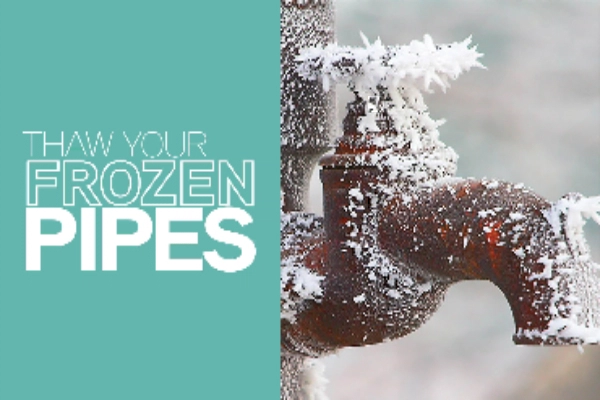
Unpopular opinion alert: I secretly enjoy the hairdryer tango. It's a quiet, meditative activity. A chance to bond with my plumbing. Don't judge me.
The "Just Wait" Method (If You Dare)
Okay, so maybe you're not into the hairdryer thing. Maybe you're a "wait it out" kind of person. This is a risky strategy, but sometimes it works. Especially if temperatures are expected to rise soon.
But beware! This method comes with a caveat: expanding ice can cause pipes to burst. So, if you see any signs of bulging or cracking, ditch the waiting game and grab that hairdryer (or call a plumber. A professional plumber. Seriously).

The Plumber's Perspective (Because They Know Best)
Speaking of plumbers, they are the ultimate frozen pipe gurus. They have the experience, the tools, and the uncanny ability to fix anything plumbing-related. If you're dealing with a major freeze, or if you're just plain uncomfortable, don't hesitate to call a pro.
As Ben Franklin once said (probably about plumbing, I assume), "An ounce of prevention is worth a pound of cure." He was definitely talking about insulating your pipes, folks!
In conclusion, thawing frozen pipes is a test of patience, ingenuity, and maybe a little bit of luck. And remember, while waiting for your pipes to thaw, dream of summer. Think of beaches, barbecues, and never having to utter the words "frozen pipe" again. Until next winter, of course. sigh